
“Can I Bring a Friend?" Giving Teens a Reason to Visit Your Farm
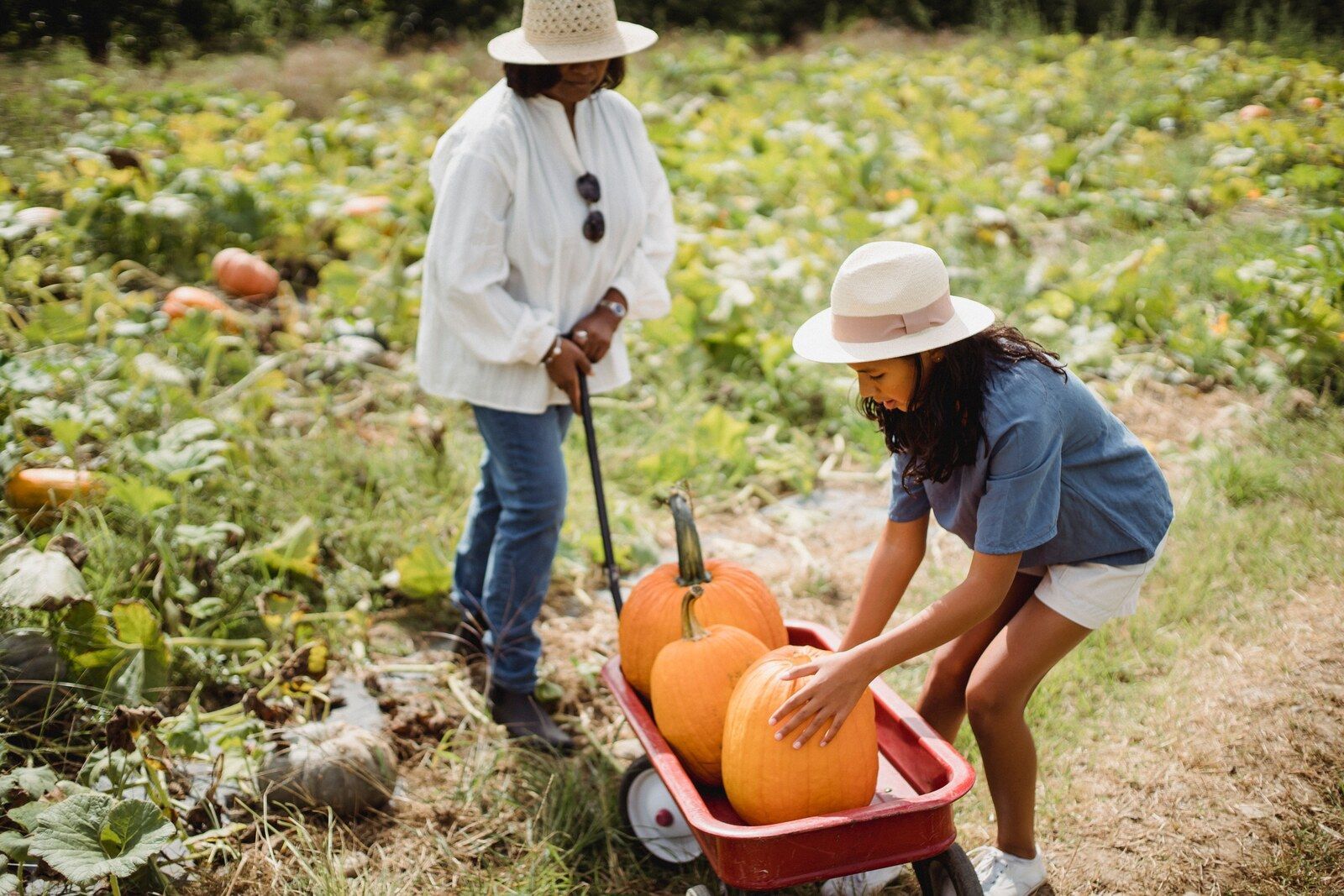
The younger kids are excited about the animals. The parents want pumpkins and a family photo. And the teenager has one question: “Can I bring a friend?”
That question is worth paying attention to.
We want the whole family to enjoy a day at the farm, including the teens who may need a little more convincing to get in the car. Giving them something to look forward to can help turn a family outing into a plan they are excited about, too.
And no, that does not automatically mean you need a giant new attraction or the scariest haunt around. You may already have some of the pieces. Sometimes, it just takes putting them together a little differently.
Pinehaven Farm offers some inspiration, with daytime activities, the non-scary Great Pumpkin Trail, and The Dead End Hayride giving guests different ways to enjoy a visit.
So, what could this look like at your farm?
Give Familiar Activities a Fresh Invitation
Take a look around your farm. Which activities could become a friendly competition? Where could a group tackle a challenge together? What might make someone pull out their phone and say, “We need a picture here”?
Pinehaven’s daytime attractions include farm-themed basketball, tug-of-war, ladder ball, an adventure course, and photo settings featuring restored tractors and a whimsical pumpkin wagon.
Think about how friends might enjoy those kinds of activities together. At your farm, you could create a challenge card connecting a few existing games, a timed team course, or a photo scavenger hunt featuring places that make your farm special.
Then give people a specific invitation.
“Activities for all ages” is helpful, but “Bring your friends and see who can win the farm challenge” gives a teen something to picture—and something to send to the group chat.
Keep it easy to join in without making participation feel required. Some teens will be ready to compete. Others will be happier taking pictures or cheering on their friends. There is room for both.
Remember: After Dark Does Not Have to Mean Scary
Some teens love a good scare. Others would happily skip that part.
An evening at the farm can still feel special without anyone jumping out of the corn. Lights, seasonal displays, favorite snacks, and time with friends can give guests a different way to enjoy your space.
Pinehaven’s Great Pumpkin Trail offers a non-scary experience with illuminated jack-o’-lanterns and oversized photo opportunities. It welcomes a broad audience, but there is a useful reminder here for anyone thinking about older kids:
Family-friendly does not have to mean designed only for little children.
Your version could start with a short illuminated walk, a few creative photo stops, or an evening scavenger hunt that ends with something good to eat.
Before you get too far into planning, ask a few local teens: “Would you come to this? Would you invite your friends? What would make it better?”
They may have an idea you have not considered. They may also save you from spending money on something that sounded much better in the planning meeting!
For the Ones Who Love a Scare
Of course, some guests are looking for that heart-racing, hold-onto-your-friends kind of night.
Pinehaven is also home to The Dead End Hayride, which combines a haunted hayride, walkthrough, and cornfield experience. Having both a frightening attraction and a non-scary evening option shows how different the reasons for visiting can be—even among teens.
Whatever you offer, make it easy for families to know which experience is right for their crew.
How scary is it? What is the age guidance? Are adults required to stay? What does the ticket include? Does another activity require separate admission?
Answering those questions up front helps parents plan and gives teens the details they need when they ask, “Can we go?”
Give Them Somewhere to Stay Awhile
Think about what happens between activities, too.
Once the main attraction is over, is there a place to grab a snack and sit together? Something else to explore? A reason to stay a little longer?
The Dead End Hayride describes food and beverage buildings, photo opportunities, live entertainment, and a midway as part of creating a full night out.
For your farm, the next step might be much simpler: a welcoming seating area near concessions, a few games, or a photo spot that looks especially good after dark.
As you look at your space, ask:
- What can they do together? A challenge, an attraction, or something to discover gives the visit a purpose.
- Where can they hang out? Give friends a comfortable place to sit, snack, and enjoy being together.
- What will they remember? Think about the moments that make your farm special and give guests something to talk about afterward.
- What do families need to know? Make arrival, pickup, supervision, and conduct expectations easy to find.
You may find that a few thoughtful changes help guests enjoy more of what you already have.
Start With One Idea—and Ask Them Back
You do not have to figure all of this out at once.
Choose one idea that fits your farm, your staff, and your budget. Let teens help you shape it, then work through the details needed to make it run well, including lighting, accessibility, weather plans, and supervision.
Afterward, ask how it went. What was fun? What was missing? What would make them come back?
We spend a lot of time thinking about what brings families to the farm. It is worth asking what makes the teenager in that family excited to come, too.
Start with something that makes them ask, “Can I bring a friend?” Then give those friends a reason to come back.
RECENT ARTICLES