
Welcome to the Pollinator!
A weekly source of new ideas, content, and innovations.
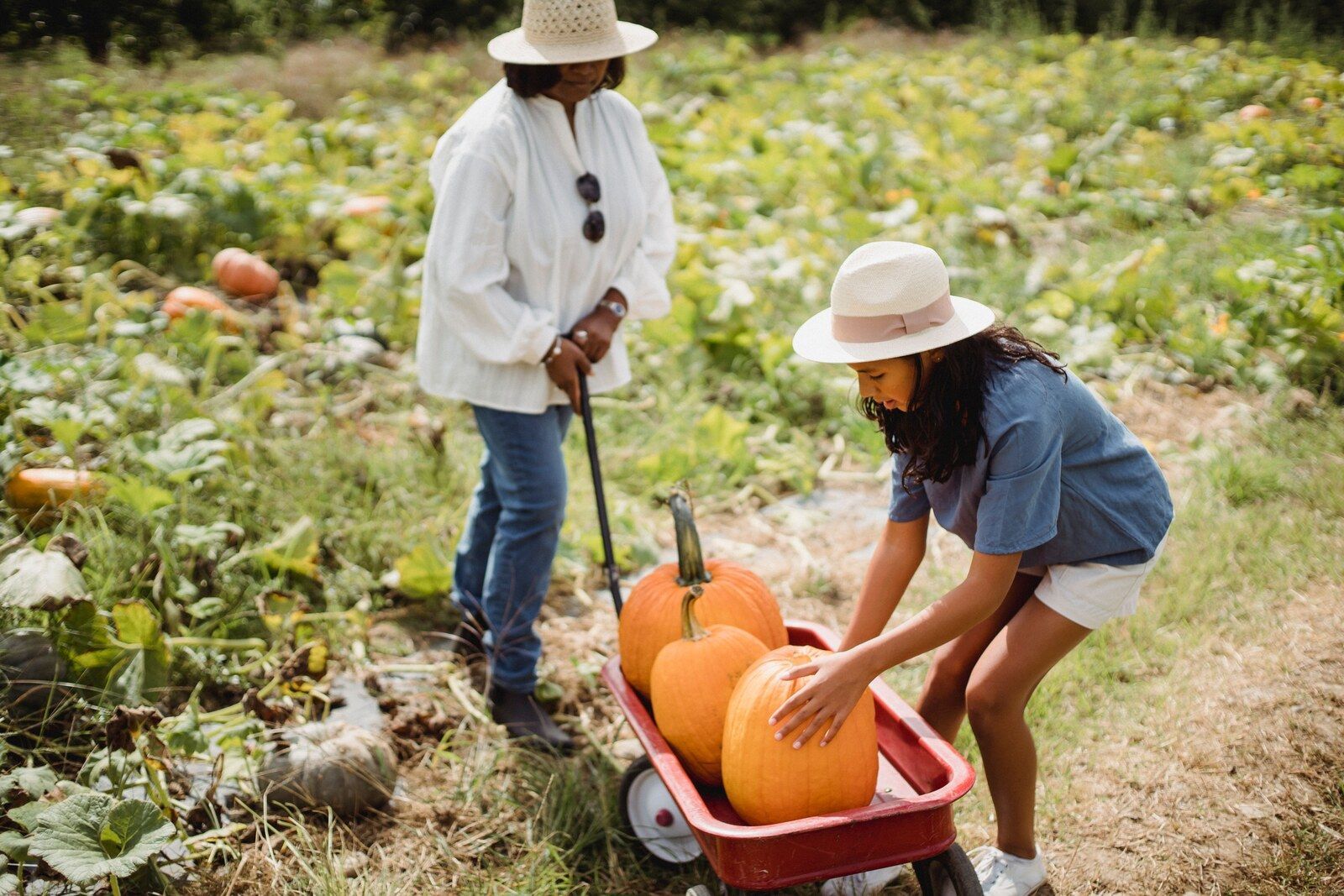
The younger kids are excited about the animals. The parents want pumpkins and a family photo. And the teenager has one question: “Can I bring a friend?” That question is worth paying attention to. We want the whole family to enjoy a day at the farm, including the teens who may need a little more convincing to get in the car. Giving them something to look forward to can help turn a family outing into a plan they are excited about, too. And no, that does not automatically mean you need a giant new attraction or the scariest haunt around. You may already have some of the pieces. Sometimes, it just takes putting them together a little differently. Pinehaven Farm offers some inspiration, with daytime activities, the non-scary Great Pumpkin Trail, and The Dead End Hayride giving guests different ways to enjoy a visit. So, what could this look like at your farm? Give Familiar Activities a Fresh Invitation Take a look around your farm. Which activities could become a friendly competition? Where could a group tackle a challenge together? What might make someone pull out their phone and say, “We need a picture here”? Pinehaven’s daytime attractions include farm-themed basketball, tug-of-war, ladder ball, an adventure course, and photo settings featuring restored tractors and a whimsical pumpkin wagon. Think about how friends might enjoy those kinds of activities together. At your farm, you could create a challenge card connecting a few existing games, a timed team course, or a photo scavenger hunt featuring places that make your farm special. Then give people a specific invitation. “Activities for all ages” is helpful, but “Bring your friends and see who can win the farm challenge” gives a teen something to picture—and something to send to the group chat. Keep it easy to join in without making participation feel required. Some teens will be ready to compete. Others will be happier taking pictures or cheering on their friends. There is room for both. Remember: After Dark Does Not Have to Mean Scary Some teens love a good scare. Others would happily skip that part. An evening at the farm can still feel special without anyone jumping out of the corn. Lights, seasonal displays, favorite snacks, and time with friends can give guests a different way to enjoy your space. Pinehaven’s Great Pumpkin Trail offers a non-scary experience with illuminated jack-o’-lanterns and oversized photo opportunities. It welcomes a broad audience, but there is a useful reminder here for anyone thinking about older kids: Family-friendly does not have to mean designed only for little children. Your version could start with a short illuminated walk, a few creative photo stops, or an evening scavenger hunt that ends with something good to eat. Before you get too far into planning, ask a few local teens: “Would you come to this? Would you invite your friends? What would make it better?” They may have an idea you have not considered. They may also save you from spending money on something that sounded much better in the planning meeting! For the Ones Who Love a Scare Of course, some guests are looking for that heart-racing, hold-onto-your-friends kind of night. Pinehaven is also home to The Dead End Hayride , which combines a haunted hayride, walkthrough, and cornfield experience. Having both a frightening attraction and a non-scary evening option shows how different the reasons for visiting can be—even among teens. Whatever you offer, make it easy for families to know which experience is right for their crew. How scary is it? What is the age guidance? Are adults required to stay? What does the ticket include? Does another activity require separate admission? Answering those questions up front helps parents plan and gives teens the details they need when they ask, “Can we go?” Give Them Somewhere to Stay Awhile Think about what happens between activities, too. Once the main attraction is over, is there a place to grab a snack and sit together? Something else to explore? A reason to stay a little longer? The Dead End Hayride describes food and beverage buildings, photo opportunities, live entertainment, and a midway as part of creating a full night out . For your farm, the next step might be much simpler: a welcoming seating area near concessions, a few games, or a photo spot that looks especially good after dark. As you look at your space, ask: What can they do together? A challenge, an attraction, or something to discover gives the visit a purpose. Where can they hang out? Give friends a comfortable place to sit, snack, and enjoy being together. What will they remember? Think about the moments that make your farm special and give guests something to talk about afterward. What do families need to know? Make arrival, pickup, supervision, and conduct expectations easy to find. You may find that a few thoughtful changes help guests enjoy more of what you already have. Start With One Idea—and Ask Them Back You do not have to figure all of this out at once. Choose one idea that fits your farm, your staff, and your budget. Let teens help you shape it, then work through the details needed to make it run well, including lighting, accessibility, weather plans, and supervision. Afterward, ask how it went. What was fun? What was missing? What would make them come back? We spend a lot of time thinking about what brings families to the farm. It is worth asking what makes the teenager in that family excited to come, too. Start with something that makes them ask, “Can I bring a friend?” Then give those friends a reason to come back.
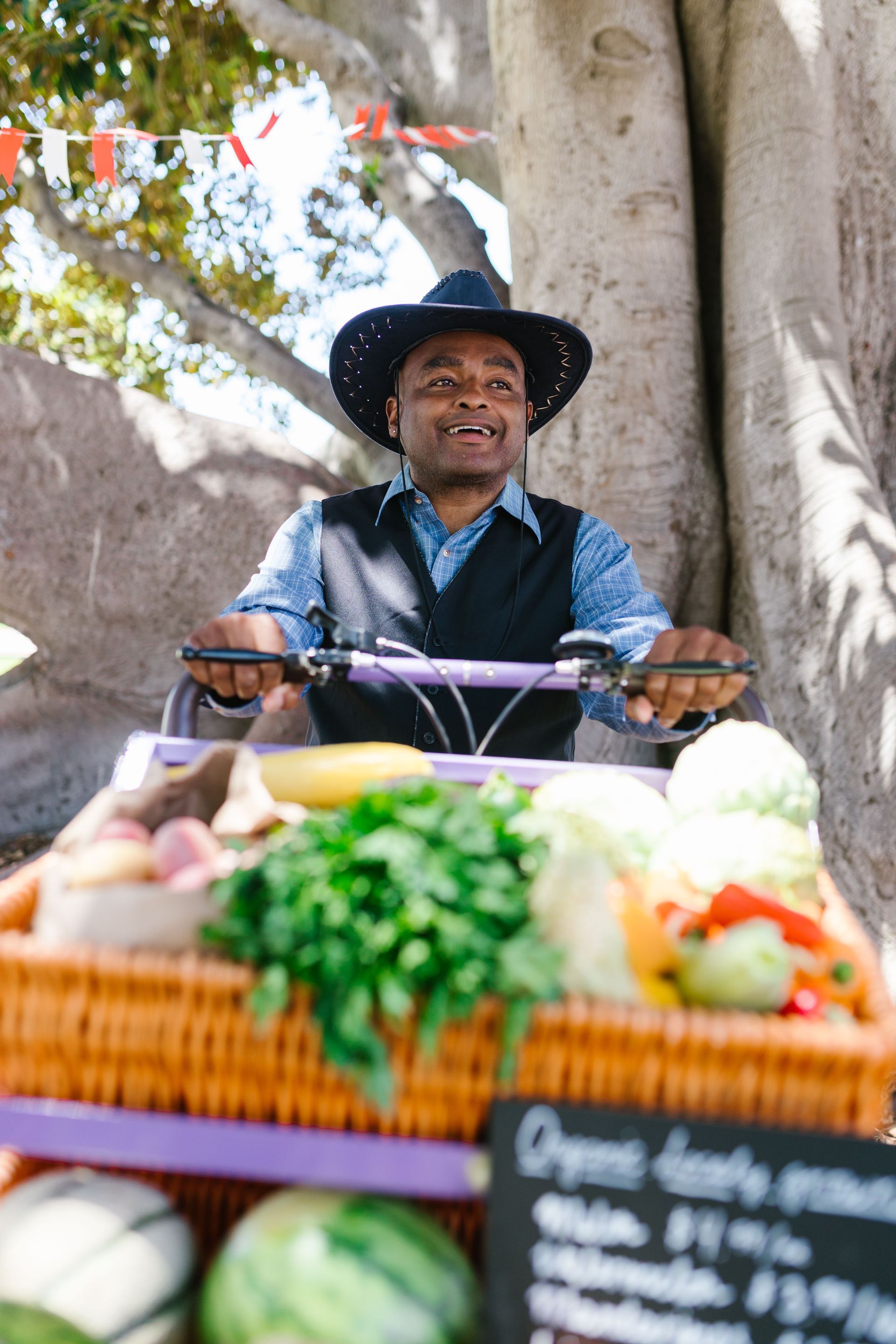
Of course, visitors know you’re the local farmer growing their food for them and providing agritourism experiences. If you believe that, you’re probably fooling yourself. At Chestnut Brae, visitors are surrounded by over 1000 chestnut trees, but we are often asked where we source our chestnuts. In fact, most locals can name the local school teacher and doctor, but not a local farmer. We need to do a better job of promoting that we are local in order to gain customer trust. When I (John), was in Hong Kong in June this year, the China News newspaper was promoting that municipalities that month were promoting “local” markets around the country. To have a stall at the market, the stall holder had to have made or grown the product in the municipality. You may argue that farmers markets do this in many countries, but some markets can be questionable and tarnish the image for all. The UK this month has a promotion, “Meet a farmer for a day,” where the public are invited onto participating farms to learn how a farm works. In the Agritourism Training Academy, there are a number of lessons focused on how to increase your “local” marketing potential and increase your revenue as a result. Promoting being local is now big business and restaurants, cafes, grocery stores, and trades people are joining the bandwagon. It is getting to be a crowded “local” marketplace and your business needs to stand out. To discuss your training needs contact Lara by scanning the QR code to organize a chat. Connect with Agritourism Training Academy
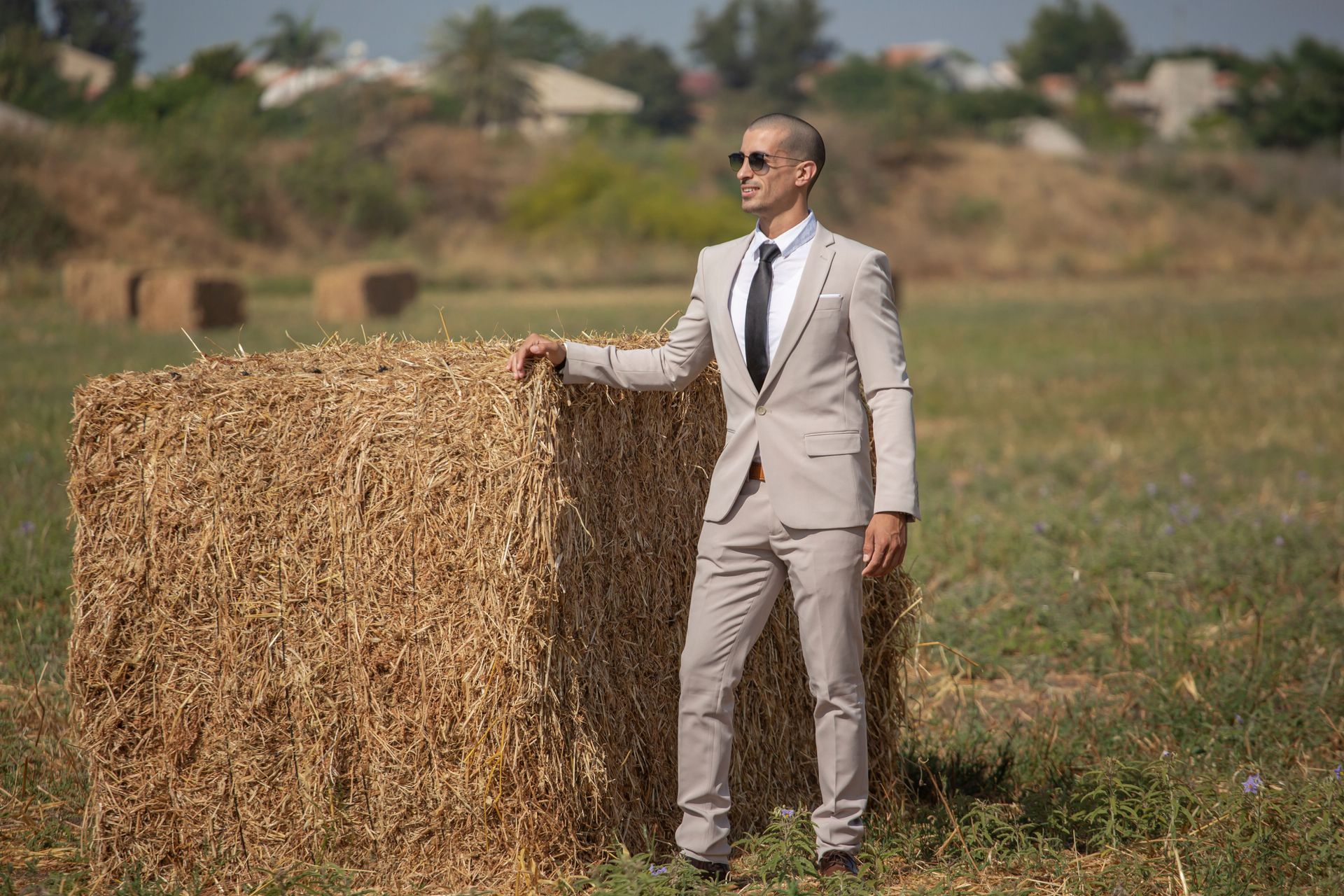
On a recent tour, my wife and I searched out an independent family restaurant for a meal. We selected a “white tablecloth” Italian restaurant. The meal looked inviting and the outside image of the building looked like they were going to delight their guests. Everything looked right for an enjoyable evening experience. The first person we met, their ambassador, was dressed in clothing that seemed out of context for the restaurant’s setting. She escorted us to our table that was decorated with fresh flowers and a candle. When the waitress came, she was dressed the part, suitable for a white tablecloth restaurant, the meal was excellent. But, our conversation, once we had ordered our meal revolved around doubt on whether we’d selected the right location for a meal and would the meal be of the quality that we expected. Mixed Messages The greeter and host’s clothing did not match the experience the restaurant’s surroundings suggested. That inconsistency cast doubt on the whole dining experience. Compare this to the next day when we visited Mark Twain’s house in Hartford, Connecticut. Again we were greeted by one person. This time they were dressed in 1870's clothing and acted the part of Mark Twain’s wife showing us around the house. The host was an integral part of the customer experience and made the visit memorable. Credibility is part of the game rules What is the lesson for us in agritourism? We don’t need to dress up in costume, although some of us do. But, we do need a minimum dress code standard that the customer expects. As an owner you have to set the standard and explain why this standard has been set, especially to the younger team members. Some businesses will overcome this credibility failure by providing a staff uniform. This may or may not be appropriate for you. What is important is that the visitor has confidence in your team members, and is not distracted by the amazing service and experience you provide.
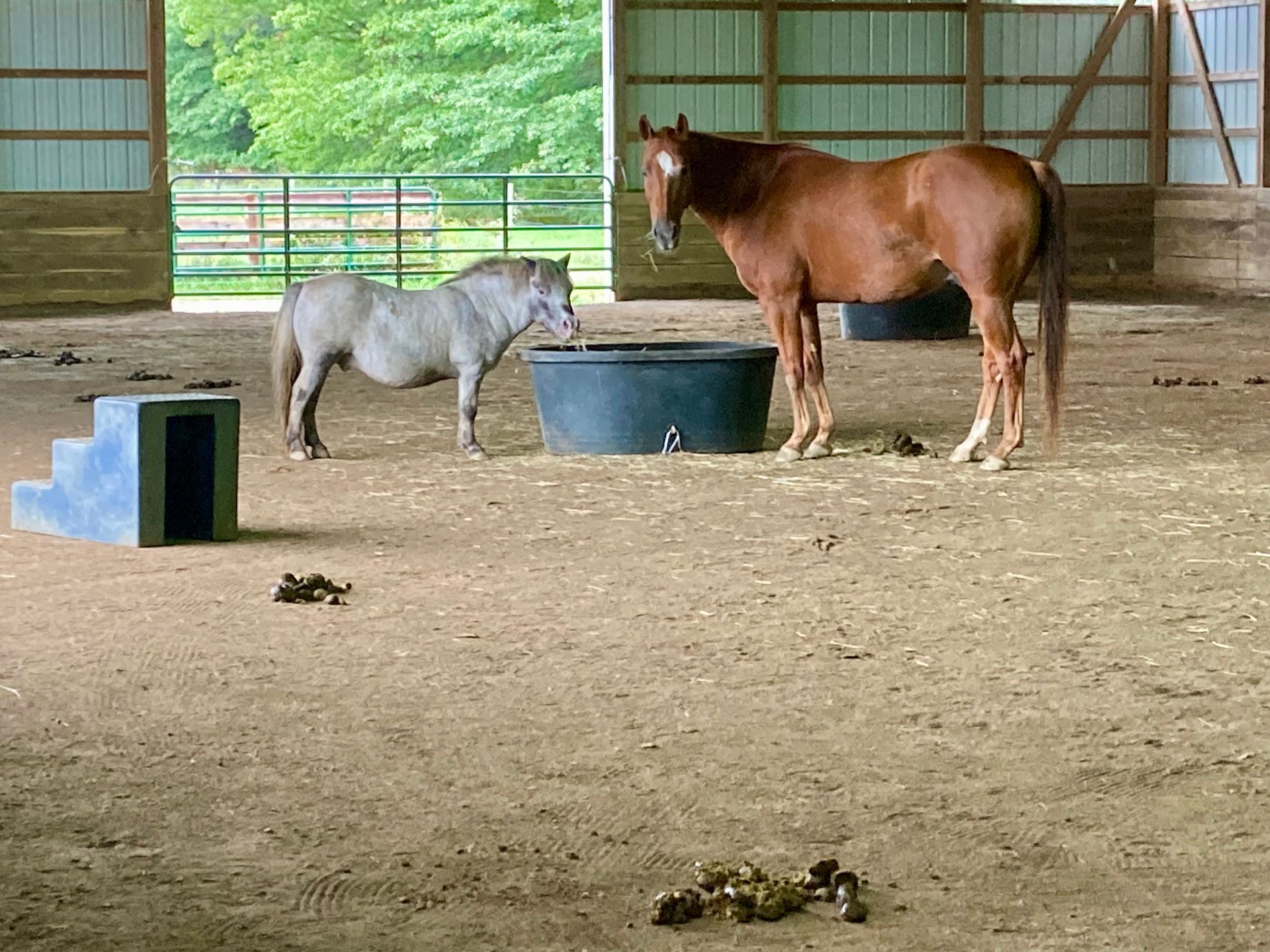
Yes, 💩happens…literally! Petting zoos, riding stables, restroom trailers, porta-potties, and did you just say corn maze?!? Eww! But, remember you, yes YOU, make the good 💩happen!
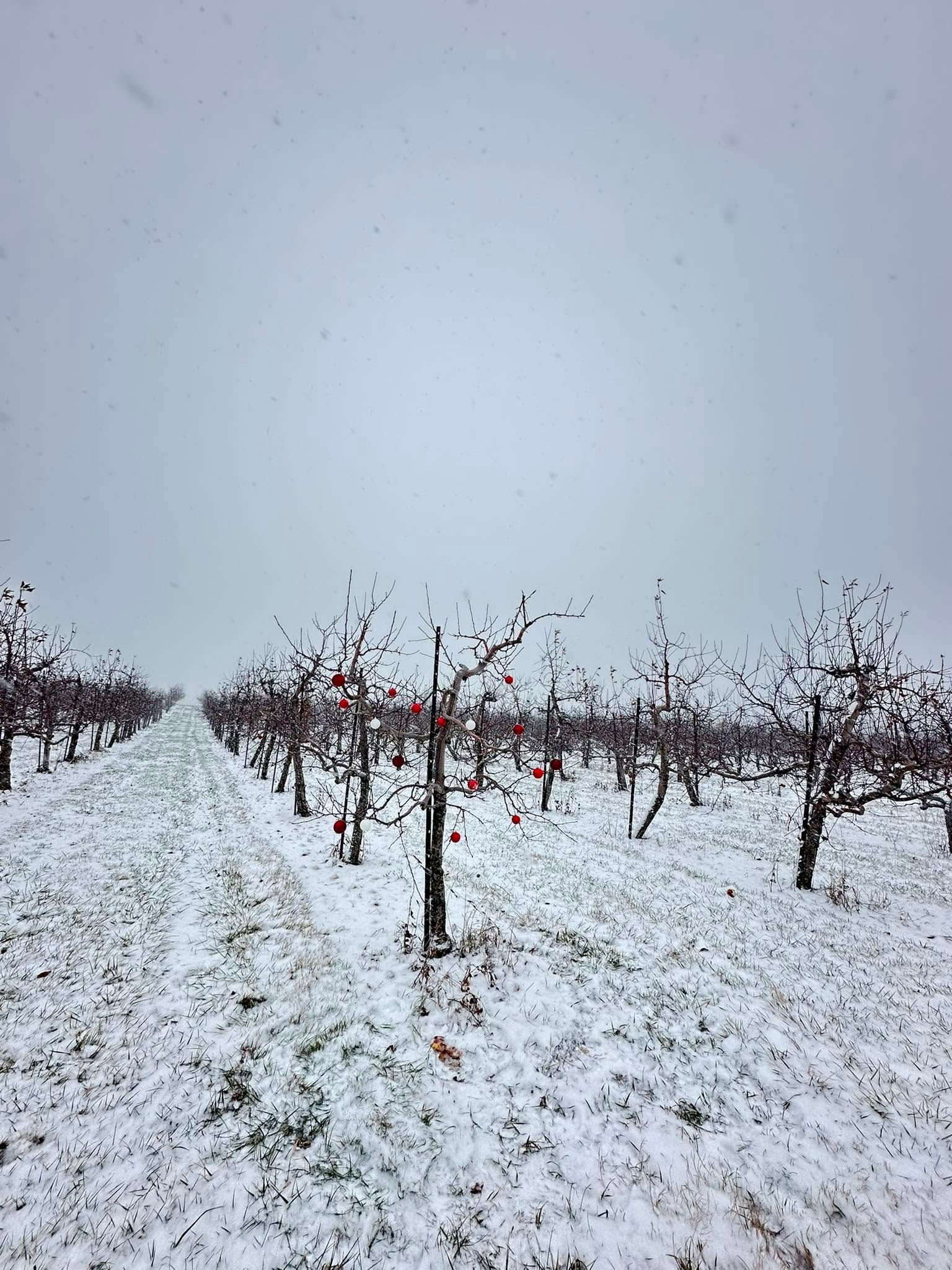
As NAFDMA staff, we know you are in the true thick of fall season in the Northern Hemisphere. Things feel tough, you are worn down, and if one more customer asks *that question* again, you feel as if you are going to lose your mind. It can be helpful at this point to remember where you started vs where you are now. YOU have done the hard work to create a beautiful space for customers to truly make memories. And if you can transform a farm into a place of memories, you can weather whatever storm (literal or figurative) that comes your way. In life, we all start somewhere and use our individual skills, hard work, and imagination to make the world a better place. Just think about how far you have come already...and where you can go. We see you, and we see every bit of the enchantment you create and the exhaustion it causes. YOU are amazing. Photos courtesy of DeBuck’s Family Farm and Lynd Fruit Farm .
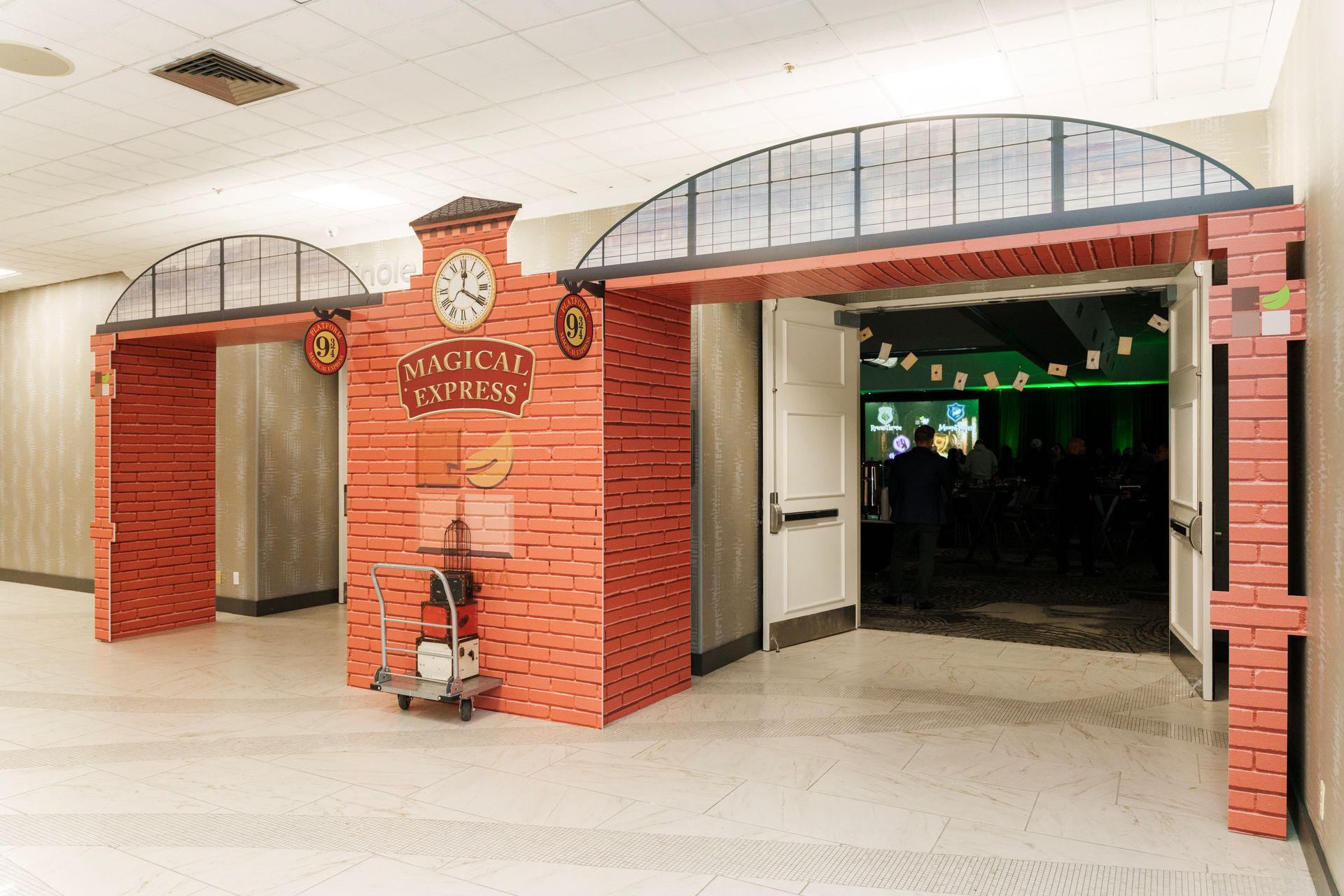
Every great experience starts with someone saying, “I have an idea.”
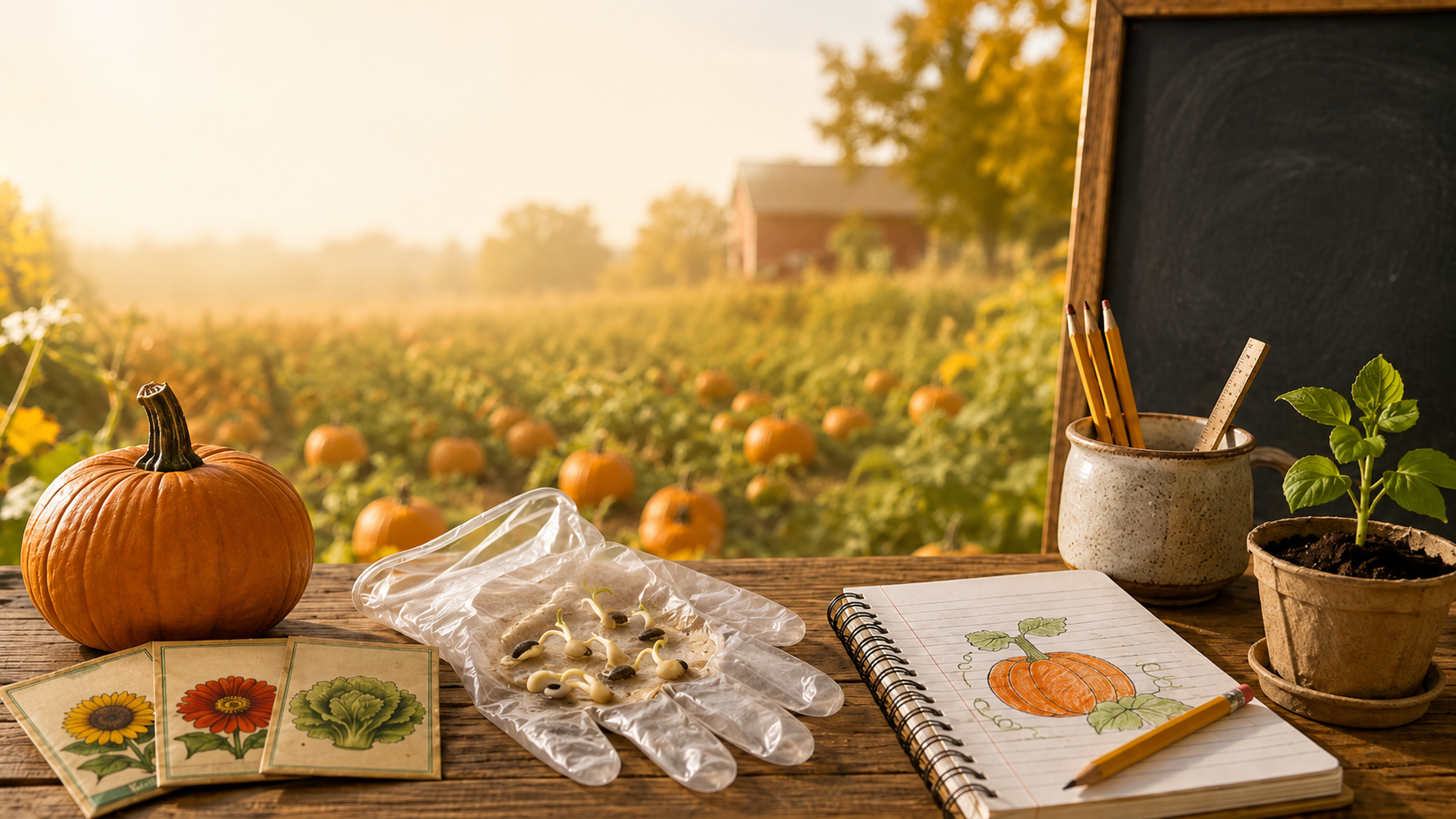
School is officially back in session. Backpacks are broken in, pencils are already disappearing, classroom routines are starting to settle in, and teachers are finding their rhythm for the year. At the same time, farms across the country are getting ready for another familiar sight: school buses pulling through the gates for fall field trips. And don’t get me wrong—I LOVE a field trip to the pumpkin patch. There is something magical about watching a child step onto a farm, pick a pumpkin, meet an animal, taste something fresh, or suddenly realize that food does not magically appear on a grocery store shelf. But now that the school year is underway, this feels like the perfect time to ask a bigger question: What if agricultural education did not begin when the bus pulled onto the farm and end when it drove away? As agritourism operators, we have such an incredible opportunity to keep that curiosity going long after the field trip is over. We can help bring agriculture into classrooms all year long, connecting students with the farms, food, science, careers, and people behind agriculture—and the really good news is that we do not have to dream up every lesson or activity ourselves. You Do Not Have to Create It All from Scratch Here is the really good news: we do not have to reinvent the wheel. Agriculture in the Classroom programs across the country have already done a whole lot of the work for us. There are lessons, activities, professional development opportunities, and resources ready for teachers to use—and so many of them are FREE . There is also a free National Agricultural Literacy Curriculum Matrix filled with K–12 lessons that connect agriculture with science, social studies, career and technical education, nutrition, and more. That is the part I really love. Agriculture does not have to become one more subject teachers have to squeeze into an already-full day. It can simply become the real-world example that helps teach what is already on the lesson plan. Now think about your own farm for a minute. What are you growing, raising, baking, making, or doing every single day that could become a classroom connection? A pumpkin can teach plant science, measurement, weather, pollination, nutrition, and economics. Apples can open conversations about seasons, bees, food production, and geography. Livestock can lead into biology, animal care, veterinary science, food systems, and careers. There is probably more education happening on your farm than you even realize. The resources are already there. Sometimes our job is simply helping teachers find them and then showing them how those lessons connect to the real thing happening on our farms. Put the Resources Where Teachers Can Actually Find Them Now that teachers are settling into the school year, it is a great time to explore the Agriculture in the Classroom resources available in your state. Then ask yourself a simple question: How can I make this easier for the teachers in my community to find? Maybe that means adding a Teacher Resources section to your website with links to free agriculture lessons, activities that connect to your farm, and information about your school tours. Maybe it means sharing a resource on social media and saying, “Teachers, did you know this is FREE?” Or maybe you include a few links in your field trip confirmation emails so educators have something they can use before and after their visit. If you grow pumpkins, share a lesson about seeds, plant life cycles, pollination, soil, or weather. If you have an orchard, look for resources involving apples, bees, seasons, nutrition, or food production. If livestock are part of your operation, help teachers find lessons about animal science, animal care, food systems, and agricultural careers. You are not asking teachers to add one more thing to their plates. You are handing them something useful that they may not even know is available—and helping make their connection to agriculture a little easier. Sometimes It Starts with a Glove One of my favorite agricultural education activities—both on the farm and in the classroom—has always been Garden in a Glove . It is inexpensive, simple, a little messy, and one of those activities that just works. A few seeds, a clear glove, a little moisture, and some patience give students a front-row seat to germination. They get to watch roots and shoots appear, compare what is happening from day to day, and start asking questions about what plants need to grow. Sometimes agricultural education really can be that simple. I also loved showcasing scrap gardening because it helped teach something I think is incredibly important: you do not need acres of land—or even a backyard—to grow something. Regrowing green onions, celery, lettuce, or other foods from kitchen scraps can show students that agriculture is not something that only happens somewhere else on a giant farm. A child may have a backyard, a porch, a windowsill, or just enough room for a recycled container, and that can still be enough to plant something, watch it grow, get curious, and feel a little ownership over where food comes from. That is the shift I want students to make. Instead of agriculture feeling like something that belongs to someone else, somewhere else, I want a child thinking, “Wait...I could try that.” Now Let’s Make It a Little Competitive Here is where I think this could get really fun. What if your farm sent a few local classrooms seeds from something you actually grow and challenged them to see what they could do with them? Maybe it is pumpkins, sunflowers, beans, tomatoes, sweet corn, or another crop that makes sense for your operation. Students could grow the crop throughout the season while measuring plants, keeping journals, taking pictures, graphing growth, making predictions, and troubleshooting why one plant is thriving while another is struggling. Then add a little friendly competition! Maybe the classroom that grows the largest pumpkin wins a pizza party sponsored by your farm. Maybe you recognize the tallest sunflower, biggest tomato, longest vine, most creative growing container, or best overall classroom garden. You could even create several categories so more classrooms have something to celebrate. Can you imagine how excited those kids would be? And bonus—you just gave that teacher weeks of science, math, writing, observation, problem-solving, and critical thinking without handing them one more complicated program to figure out. A packet of seeds can become months of agricultural education. Now imagine those same students visiting your farm later in the season. They are no longer just walking past a pumpkin vine. They have tried to grow one themselves. They know it takes time, attention, good growing conditions, water, sunlight, weather cooperation, and sometimes a little luck. Suddenly, they arrive with questions. They have observations to share. They are looking at that field differently because now they understand, even in a very small way, what it takes to grow something. That is a very different field trip. Let the Classroom and the Farm Work Together The goal is not to choose between classroom education and farm visits. It is to make the two work together. A student can learn about pollination in class and then stand on your farm watching bees work among the flowers. They can study plant life cycles and later identify the blossom, vine, and fruit growing right in front of them. They can learn about weather and then hear a farmer explain what too much—or too little—rain meant for this year’s crop. That is where agritourism has such an incredible advantage. We can take something students saw on a worksheet or classroom screen and give them the opportunity to see it, touch it, smell it, ask questions about it, and remember it. We get to help take agriculture from something they have heard about to something they have actually experienced. Start Small None of this means you need to create a 30-page curriculum, hire a full-time education coordinator, or completely reinvent your field trip program. Start with one thing that makes sense for your farm. Share your state’s Agriculture in the Classroom resources while teachers are building out lessons, planning field trips, and looking for fresh ideas for the months ahead. Add a Teacher Resources section to your website. Include a lesson in your field trip confirmation email. Share a Garden in a Glove activity. Teach kids about scrap gardening. Send one classroom a packet of seeds and see what happens. The goal is not to replace the field trip to the pumpkin patch. It is to extend it. The education can begin weeks before the bus arrives and continue long after students leave the parking lot. Our farms can become resources for teachers, partners with local schools, and places where classroom lessons suddenly become real. Sometimes helping the next generation discover all of that can start with something as simple as sharing a free resource, sending a packet of seeds, or giving one child the chance to proudly say, “Look! I grew that.” And really, how cool is that? One tiny seed, one curious kid, one teacher willing to try something new, and one farm willing to make the connection can grow into something much bigger than any of us realize. Resources to Explore and Share National Agriculture in the Classroom - https://www.agclassroom.org Explore agricultural education resources and find the Agriculture in the Classroom program serving your state. National Agricultural Literacy Curriculum Matrix - https://agclassroom.org/matrix/ Search free K–12 agricultural lessons and resources by grade level, subject, and agricultural topic. Your State Agriculture in the Classroom Program - https://agclassroom.org/affiliates/contact/ Explore locally relevant lessons, teacher resources, workshops, and agricultural education opportunities in your state.
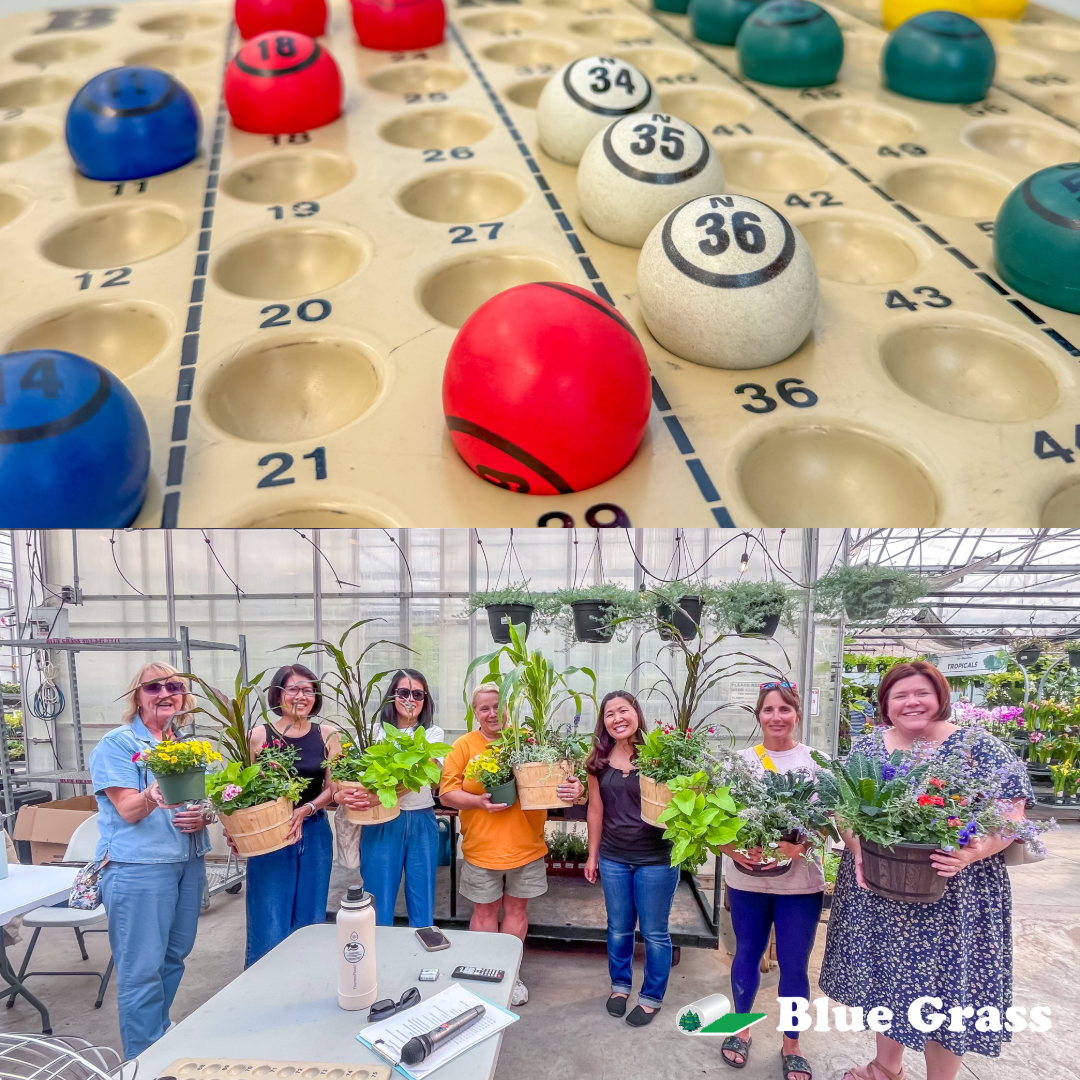
Sometimes the best ideas stop you mid-scroll.
We’ve all been to conferences where the speaker challenges you to have an “elevator” speech where you explain what you do to a stranger in around 15 seconds… or the time it takes to go one level in an elevator. To most of us this is a challenge as we either become dumb struck or want to provide a mini speech. In a rapidly changing world, we need to move on from the traditional elevator speck. These speeches are often forgettable and looked upon as a pleasant chat. In today's world you’ll only become memorable if you can explain what makes your business unique. The elevator conversations that a remembered today start with “Our farm is the only farm that…” This is a far easier sentence to complete and is more likely to be remembered by a stranger. The result is you may find that stranger visiting your farm a few weeks later and their conversation starts with… “Do you remember, we met the other week, and you told me…” The Challenge The challenge is not finishing the question, that is the easy part. The challenge is identifying what it is that only you do. The answer, obviously, will be different for everyone that can answer this question. It could be around: The way you farm the land that is unique to you. For example, you could be the only farmer in your region doing “wilding” farm techniques. The way you process your crop… A few weeks ago, I went to the only flour mill on a farm in the world that mills the ancient Bere wheat for break making. This was in the Orkney's, north of Scotland. It could be what you group. For example, a heritage tomato variety which an Albanian farmer is raising on his farm in that county. The unique agritourism play experience you have built for your customers. For example, you may have built a children’s play area based on the history and region that your farm is located. The product you sell… For example, you may have a unique product exclusive to you such as Thornberry Pie, which I discovered at a farm market in Ontario, Canada or the Honeyberry in Scotland. Once you have identified your uniqueness, your ‘elevator pitch’ becomes naturally easy. The real challenge is if you cannot find an “elevator pitch.” This says to that stranger, you are no different to anyone else doing what you do. In the receiver's mind you’re a carbon copy and not worth spending time to search out. Next time you’re in that elevator, what will you say? If you need help developing your uniqueness, contact the Agritourism Training Academy by emailing Lara H Johnson at lara.chrisjohnson@gmail.com
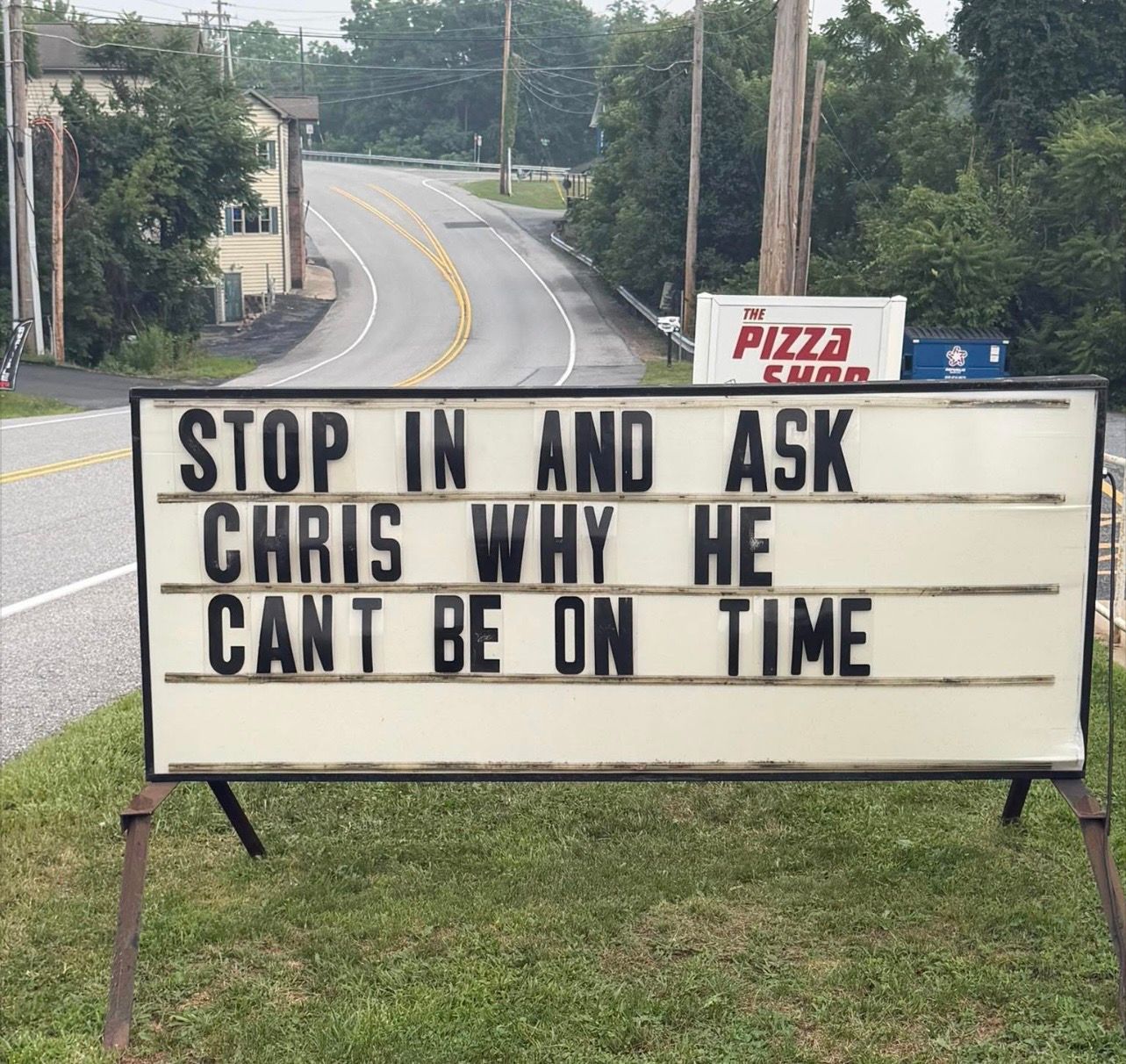
My first thought when I saw this sign was simple: RUDE! Poor Chris. Called out in giant letters for every passing car to see. The sign at The Pizza Shop of Etters read: STOP IN AND ASK CHRIS WHY HE CAN’T BE ON TIME Then I read the business’s social media post and started laughing even harder. Chris apparently felt bad about being late— again —so he was buying! Customers could receive 10% off using the promo code WHERESCHRIS at checkout. Now, that is funny. But it is also brilliant marketing. The Sign Was Only the Beginning The Pizza Shop of Etters took one playful roadside messa ge and turned it into a complete marketing moment. The sign caught the attention of passing drivers. The social media post gave followers the rest of the story. The discount encouraged customers to make a purchase, and the promo code carried the joke all the way through checkout. Suddenly, people were not simply being told to buy pizza. They were wondering: Where is Chris? Why is Chris late? Will Chris ever arrive on time? And most importantly, how many discounts can this man’s poor time-management skills provide? That is the power of personality-driven marketing. It gives customers something to remember, share and talk about. Give Guests a Reason to Look Again Agritourism businesses already have so many opportunities to create this kind of fun. Your roadside sign, chalkboard, farm entrance, ticket booth, market display or social media page can do more than announce hours and admission prices. It can become part of an ongoing conversation with your guests. Imagine driving by and seeing: ASK JAKE WHY THE GOATS WERE IN THE GIFT SHOP THE CORN MAZE DESIGNER SAYS IT IS EASY. WE NO LONGER TRUST HIM. KAREN ORDERED TOO MANY CIDER DONUTS. PLEASE HELP KAREN. THE PUMPKINS ARE READY. THE FARMER IS NOT. SOMEONE FORGOT TO LOCK THE CHICKEN COOP. AGAIN. ASK US WHY THE HAYRIDE LEFT WITHOUT BOB. You are already wondering what Bob did, aren’t you? The message does not need to be complicated. In fact, simple is often better. Guests should be able to read it quickly, understand the joke and remember it later. Let the Joke Travel A roadside message may make someone laugh as they drive past, but social media allows you to continue the story. Post a photo of the sign and explain what happened. Ask followers to guess the backstory. Create a poll. Offer a limited-time discount. Let guests vote on what the sign should say next. You could even turn it into a short series: Monday: Share the mysterious sign. Tuesday: Reveal the backstory. Wednesday: Let followers vote on the consequences. Thursday: Announce a discount or special offer. Friday: Share an update from the person—or goat—responsible. Now your customers are not simply seeing an advertisement. They are following a story and waiting to see what happens next. Keep It Playful, Not Painful Before putting someone’s name in giant letters beside the highway, make sure they are willing to be part of the joke. The goal is to show personality and create a welcoming experience—not embarrass an employee or family member. When everyone involved understands the humor, these campaigns can help guests connect with the real people behind the business. Visitors remember the personalities, harmless mishaps, and inside jokes that make each farm unique. And let’s be honest: Agritourism operations rarely experience a shortage of personalities, mishaps, or escaped animals. The Bottom Line Take a look around your operation. There is probably already a funny story waiting to become your next sign or social media post. Maybe the goats keep escaping. Maybe the farmer ordered 300 extra pumpkins. Maybe the cider slush machine has developed an attitude. Whatever it is, do not be afraid to have a little fun with it. A playful message paired with a clever social media campaign can keep guests laughing, sharing and wondering what you will do next. And Chris, wherever you are, thank you for being late. You gave the rest of us some excellent marketing inspiration.
Guest Article by Christine Hawks, NAFDMA Membership and Events Manager If you want to challenge your notion of what it means to be alone, visit your library for a copy of Solitude - In Pursuit of a Singular Life in a Crowded World by Michael Harris. And, then earn some bonus points, if you can truly spend several hours alone. Sounds simple enough, right? Agriculture can be isolating and much of the work as agritourism owners and operators, especially during the off-season, might be done alone. But, are you really alone? First, let’s agree on a shared understanding of the states of alone and loneliness. Similar sounding words with very different meanings. Alone is generally accepted to reference a physical state of being by yourself. Whereas loneliness is generally used to describe sadness or feeling disconnected. On our farms, we likely experience both from time to time. And, believe it or not, being alone does have its benefits. Even in the most rural of communities, we’re still connected digitally. Can you recall the last time that you were actually alone for a day - No text messages, no email communication, no cordial greeting with the mail delivery person or your neighbor across the field? I recently tried this challenge and found that it’s more difficult than I could have imagined. I have an elderly mom, so I never feel like I can ignore text messages for a day. I was expecting a delivery of medication for my dog, so I kept checking email because I needed to monitor the tracking schedule. My neighbor came over to chat when she noticed me out mowing the yard. But, as Harris references in his book, we need that alone time, the solitude. And, I’ll take it one step further, we need the mundane in our lives. Two heads can be better than one when focused on an analytical, straightforward problem, but what if you’re trying to coax your next big idea or tackling a complex challenge? Spending time alone and allowing your mind to wander, might just be the solution that you’re looking for. We have ample opportunities to give ourselves this time and space within the routine of our farms. Mucking out stalls? Skip the podcast for an hour and let your mind focus where it will. Mowing the walking paths? Let the hum of the mower lull your mind into a relaxed state. These seemingly mindless chores can allow your thoughts to flow unbound, and you might be pleasantly surprised by what bubbles up when you give your mind the freedom from focus and concentration. I believe I know the only cure, which is to make one’s center of life inside of one’s self, not selfishly or excludingly, but with a kind of unassailable serenity - to decorate one’s inner house so richly that one is content there, glad to welcome anyone who wants to come and stay, but happy all the same when one is inevitably alone. - Edith Wharton, American author
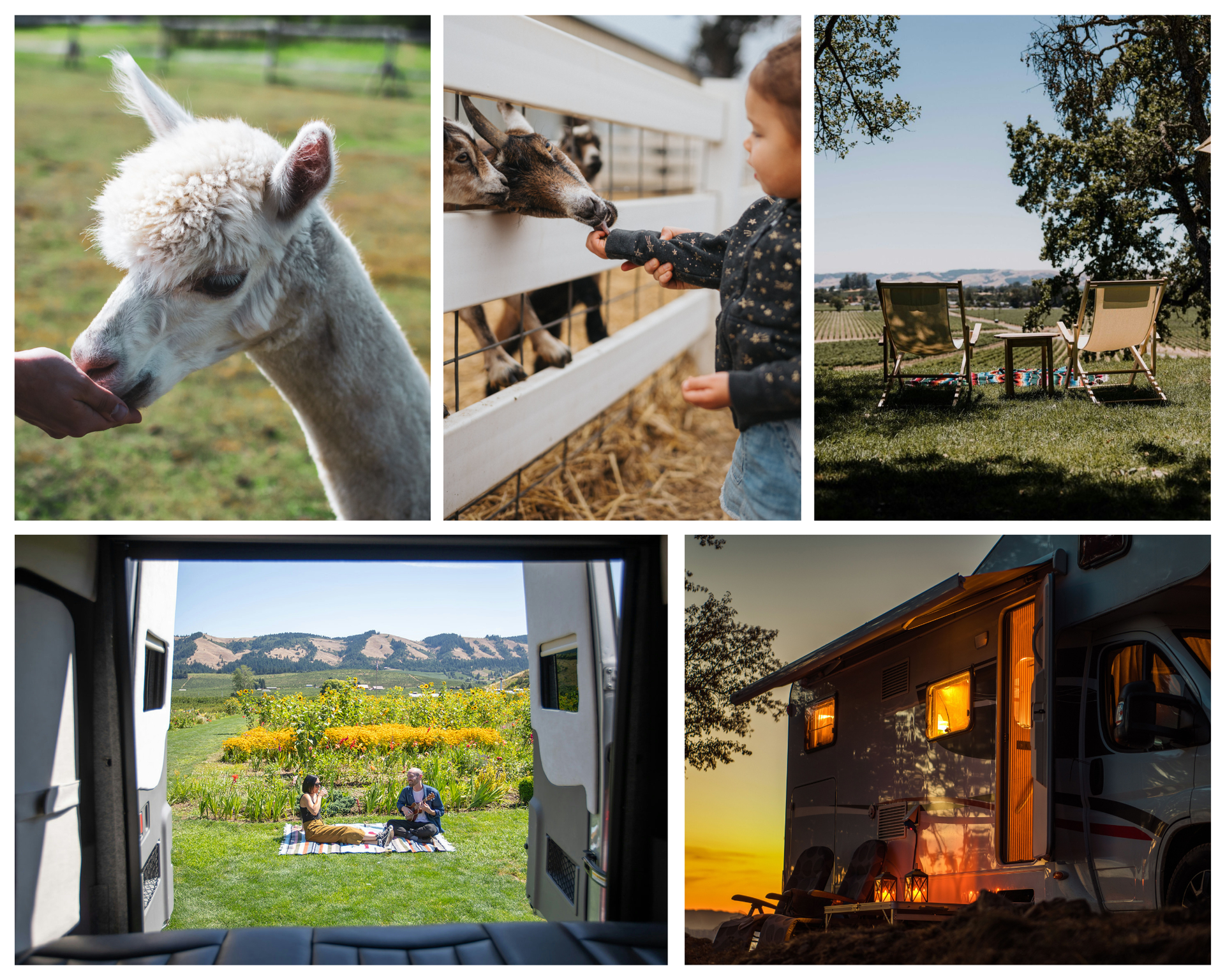
Agritourism has grown from a niche add-on to a genuine draw for travelers — and understanding why can help NAFDMA members make the most of it. Here's what's driving the interest, and a few tips for turning that interest into overnight guests. Why agritourism resonates right now Travelers increasingly want experiences over amenities. A night spent on a working farm — surrounded by orchards, vineyards, or pasture instead of a parking lot — offers something a hotel or campground simply can't: a direct connection to where food comes from and the people who grow it. For farms, that shift in demand is an opportunity. Visitors aren't just passing through; they're looking to learn, taste, and engage. Why this matters to the RV community specifically RV travelers are natural agritourism guests. They already prioritize slower, more scenic routes over interstate rest stops, and they tend to seek out destinations with character. That's a big part of why Good Sam Overnight Stays exists: it connects RVers with agritourism properties — farms, wineries, breweries — willing to host them overnight. The program is backed by Camping World (largest RV dealer in North America) and reaches Good Sam's 600,000+ Elite Members, all of whom have access to it as part of their membership. For farms, that's a built-in audience of travelers actively seeking exactly what agritourism offers. Tips for turning interest into visits ● Lead with the experience, not just the stay. RVers remember the farm stand conversation or the sunrise over the vines more than the parking spot itself. ● Make it easy to say yes. Clear information on hookups, access, and hours reduces hesitation for a traveler deciding where to stop. ● Encourage lingering. Longer stays often lead to more time spent exploring the property, shopping the farm stand, or booking a return trip. ● Word of mouth travels fast in the RV community. A great first-time host experience often turns into repeat visits and referrals to fellow travelers. ● Start small. Hosting doesn't require a set schedule — hosts can offer as many or as few nights as make sense for their property. Getting started Joining Good Sam Overnight Stays as a host is free, with no reservation minimums and full control over which nights are offered. Good Sam’s team handles the marketing and member support, so hosts can focus on running their farm and delivering the experience travelers are looking for. For NAFDMA members exploring new ways to bring visitors to the farm, Overnight Stays offers a simple entry point into agritourism's fastest-growing audience: the RV traveler. Join here: https://hostovernightstays.goodsam.com/become-a-host For any questions, please reach out to Good Sam’s Partnerships Manager Kyle Mackowiak – kyle.mackowiak@campingworld.com
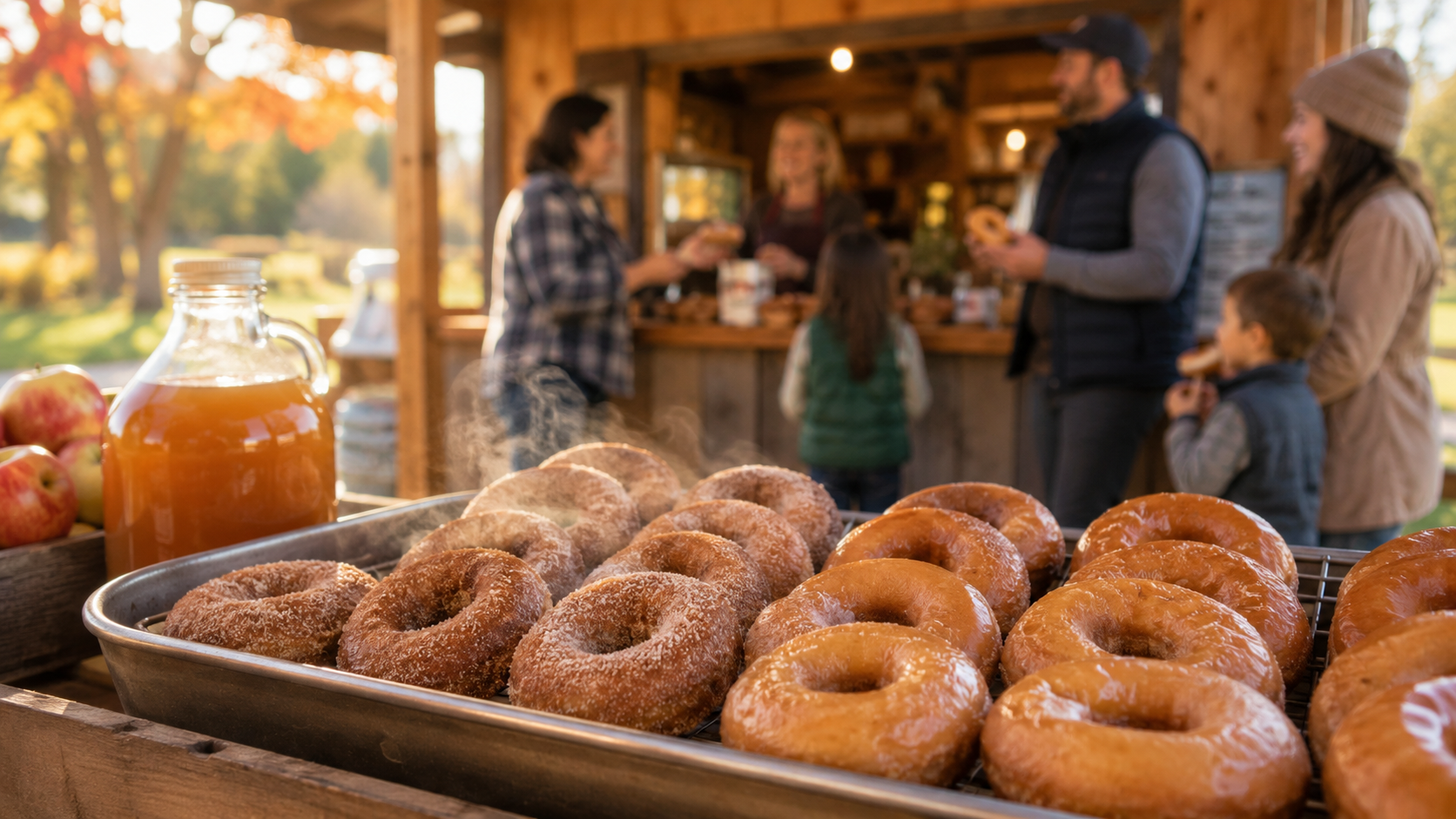
Fresh donuts can be one of the most memorable—and profitable—food offerings at an agritourism operation. The aroma draws guests in, encourages impulse purchases, and can turn a simple concession item into a signature farm experience. Start with a Signature Product Before adding multiple flavors and toppings, perfect one high-quality donut your team can produce consistently. Ask: Can every team member make the same product? Can quality be maintained during peak attendance? Are guests receiving a fresh donut every time? Consistency builds guest trust and gives them a reason to return. Let Guests See—and Smell—the Process Agritourism operators have an advantage over traditional retailers: guests can experience the product being made. Whenever possible, make production visible. Watching donuts fry, move through the line, or receive a cinnamon-sugar coating builds anticipation and reinforces freshness. Allow the scent to waft into nearby areas, if possible. The sights and smells are part of the attraction. Design the Program for Busy Days Long lines and slow service can quickly limit sales. Review the entire purchasing process, from ordering to payment and pickup. Consider: Separate ordering and pickup areas Grab-and-go packages Express lines for popular items Additional registers during peak weekends A great product still needs to be easy to purchase. Increase Sales with Bundles Pair donuts with complementary products to increase the average transaction. Popular combinations include: Donuts and cider Donuts and coffee Family-sized take-home packs Donuts and ice cream Seasonal flavor assortments Instead of selling a single item, create a complete farm experience. Create Reasons to Return Keep your signature donut consistent, but introduce limited-time flavors throughout the season. Maple, pumpkin, strawberry, blueberry, caramel apple, and holiday-inspired varieties can generate excitement, repeat visits, and social media content. Limited availability also creates urgency and encourages guests to purchase while the flavor is available. Build Strong Production Systems Document recipes, frying times, coating procedures, packaging standards, and cleaning schedules. Cross-train team members so production does not depend on one employee. Track hourly sales, attendance, weather, and seasonal trends to improve forecasting. Producing in smaller batches throughout the day can help maintain freshness while reducing waste. Make Donuts Part of Your Marketing A signature donut can market your operation long after the guest leaves. Branded packaging, creative toppings, seasonal flavors, and behind-the-scenes videos encourage guests to take photos, share their experience, and introduce your farm to new audiences. Avoid Common Mistakes Operators can strengthen their donut program by avoiding: Too many menu choices at a time Hidden production areas Long wait times Unappealing packaging Overproduction and waste Inconsistent quality The Bottom Line The strongest donut programs combine quality, consistency, efficient service, and guest experience. When guests can smell the donuts, watch them being made, purchase them easily, and take home a product worth talking about, donuts become more than a menu item. They become part of the memory—and an important revenue opportunity for the operation.
Memories Are Made of This: Turning Farm Visits Into Stories That Last There is a reason certain songs, scents, places, and foods can take us right back to another season of life. “Memories Are Made of This,” made famous by Dean Martin in 1955, still brings a sense of nostalgia to many people today. It reminds us that memories are powerful, and for farm visitors, those memories often begin with the simplest moments. A child tasting something fresh from the farm. A grandparent remembering the way things used to be. A family laughing together on a wagon ride. A visitor meeting the farmer and hearing the story behind the food. These are the moments that make agritourism so meaningful. The Power of Nostalgia What we create on our farms should be rooted in memories and nostalgia. Many visitors come because they want to reconnect with something from their past. Others, especially younger generations, are looking for a better understanding of farms, food, and farming life. As an industry, agritourism has done a strong job of creating those memorable experiences while visitors are on the farm. But many farms have an opportunity to take the next step: keeping those memories alive after the visitor has gone home. At our own farm, Chestnut Brae, it took us a few years to realize we were not simply selling sweet chestnuts. We were selling nostalgia. It is common for visitors to begin reminiscing about roasted chestnuts they once enjoyed on a street corner in New York, Paris, Rome, London, or Kuala Lumpur. For us, that became our point of difference. We were not just offering a product. We were offering a memory. That leads to an important question for every agritourism operator: What are the nostalgic experiences on your farm? The Power of Meaningful Experiences As more agritourism destinations continue to grow and evolve, visitors around the world are looking for more than just a day out. They are looking for something meaningful. They want to meet the farmer. They want to understand where their food comes from. They want to feel connected to the land, the people, and the story. They want to take those memories home and share them with family and friends. Farmers have a unique opportunity to turn everyday farm life into memorable visitor experiences. The work that may feel ordinary to us can be extraordinary to someone who has never seen it, tasted it, or understood the story behind it. Our role is to turn agritourism, entertainment, and food into a story visitors can take home with them. Storytelling Keeps the Experience Alive Storytelling is one of the most powerful tools we have in agritourism. Visitors should experience the story while they are on the farm, but the opportunity does not have to end when they leave. At Chestnut Brae , we are partnering with Storylands Atlas , an organization working with farm partners in Canada, the United States, the United Kingdom, and Australia. Visitors can scan a QR code while they are at the farm, which takes them to Storyland Atlas, where their online memory storyboard begins. From there, they can continue engaging with the farm experience through audio stories, collectables, digital adventures, recipes, and keepsakes. The goal is simple: take the real farm experience and extend it into a living story world that families can continue to enjoy at home. Bringing the Farm Story Home The more we can connect visitors to the story of our farms, the more likely they are to remember us, return to us, and share our story with others. Agritourism is not just about what visitors do while they are on the farm. It is also about what they remember when they leave. The sights, sounds, smells, tastes, and stories all become part of the experience. Those memories can continue to build loyalty, connection, and excitement long after the visit is over. The Agritourism Training Academy provides tools to help farms develop meaningful, nostalgic experiences for their visitors. To learn more, click the Agritourism Training Academy’s name above.
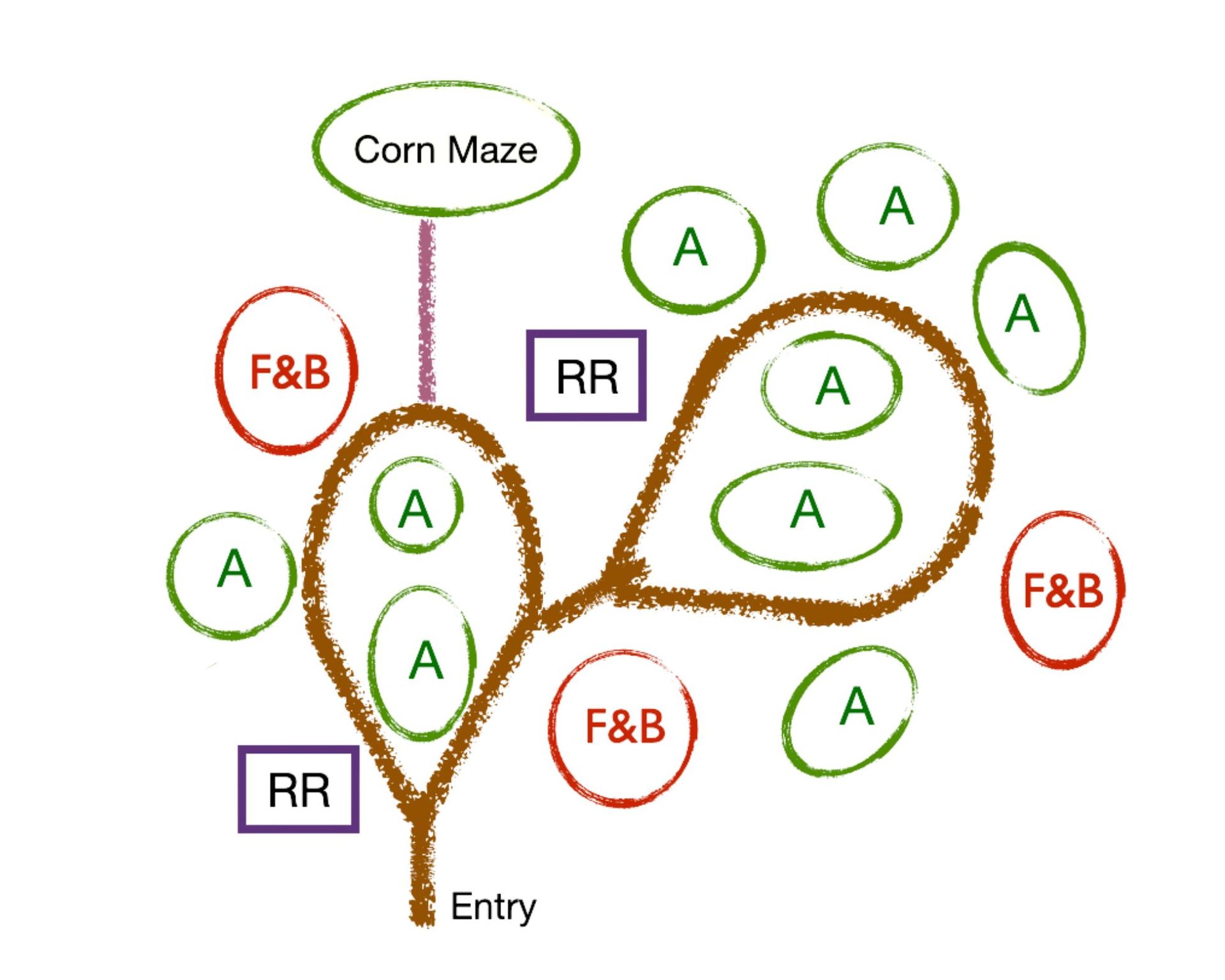
Make the Most of the Space You Have Guest written by Randy White Many farms are gearing up for their summer and fall festival seasons. Here are a few layout tips for planning festival grounds. People dislike dead ends because they make guests retrace their steps. Instead, create continuous circulation paths. Here’s a conceptual illustration showing a bad and good circulation pattern.

Industry Insights from Cold River Mining What if you could simplify the decision-making process for your guests while helping them get the most out of their visit? Bundled packages have become so popular across industries from cruise lines to fast-food restaurants. By grouping popular experiences together, businesses can make choices easier and more enjoyable. Many agritourism destinations already use three-tier package options to enhance the guest experience. Creating packages doesn't mean eliminating activities or choosing favorites. Benefits of Bundling Bundling helps organize what may otherwise feel like an overwhelming list of choices. Whether it's gemstone mining, apple cannons, wagon rides, cider donuts, or other attractions, packages can narrow those choices into three simple offerings. Guests spend less time comparing activities and more time looking forward to their visit. Offering packages before guests arrive can be even more effective. At that point, they've already decided to visit, you're simply helping them choose the experience that best fits their interests and budget. The most successful packages are designed to provide value for both the guest and the business. Including experiences that are engaging, easy to operate, and offer strong margins can help create a successful program. Gemstone mining is a great example. Cold River Mining provides gemstone mining products that require minimal shelf space while delivering a memorable, hands-on experience for guests.
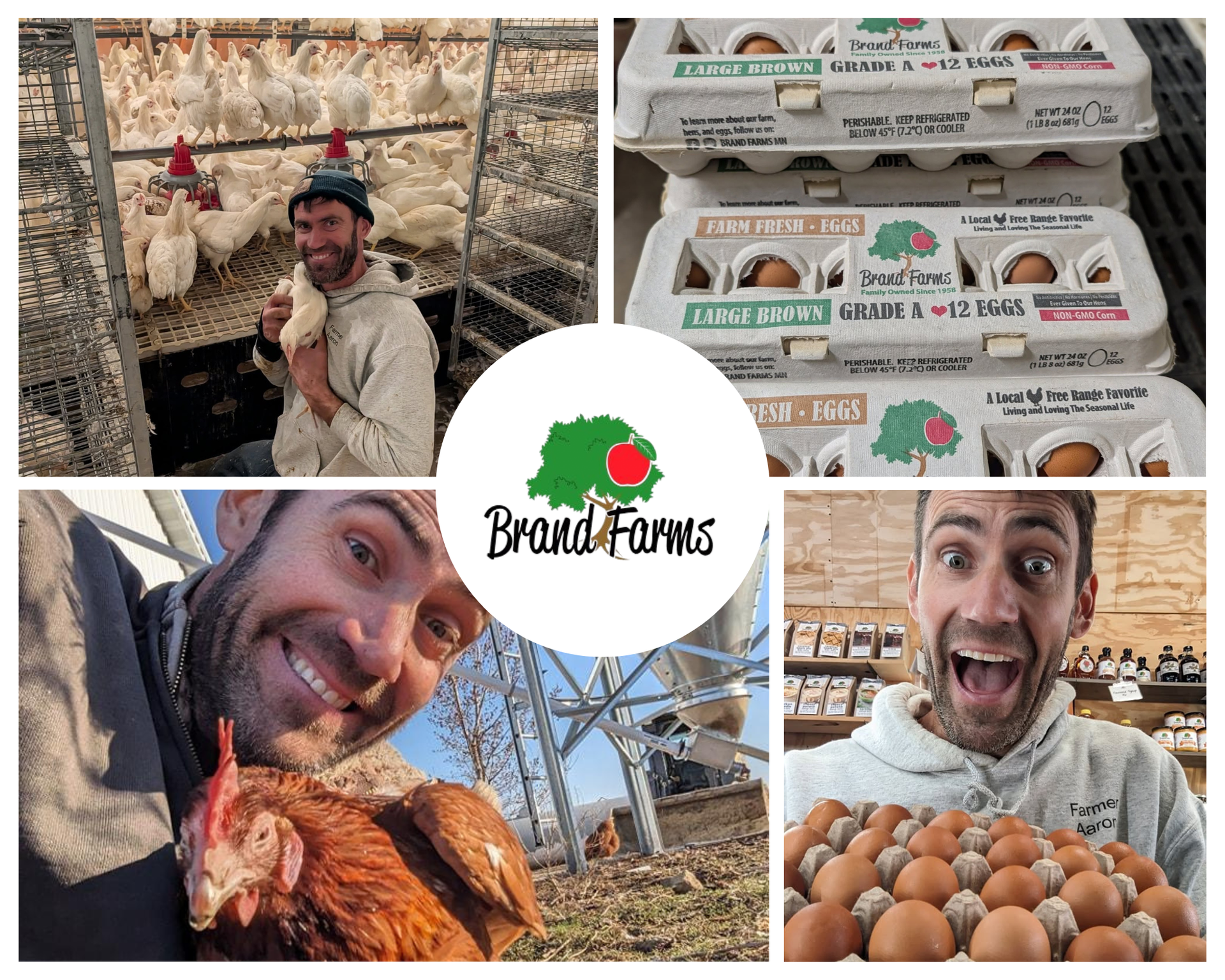
Shell & Tell: How One Farmer Turned 50 Hens into 4,500 Layers and a Thriving Agritourism Destination
From 50 hens to 4,500 layers, Aaron Brand shares the lessons, challenges, and rewards of building a successful egg enterprise alongside a diversified agritourism farm.
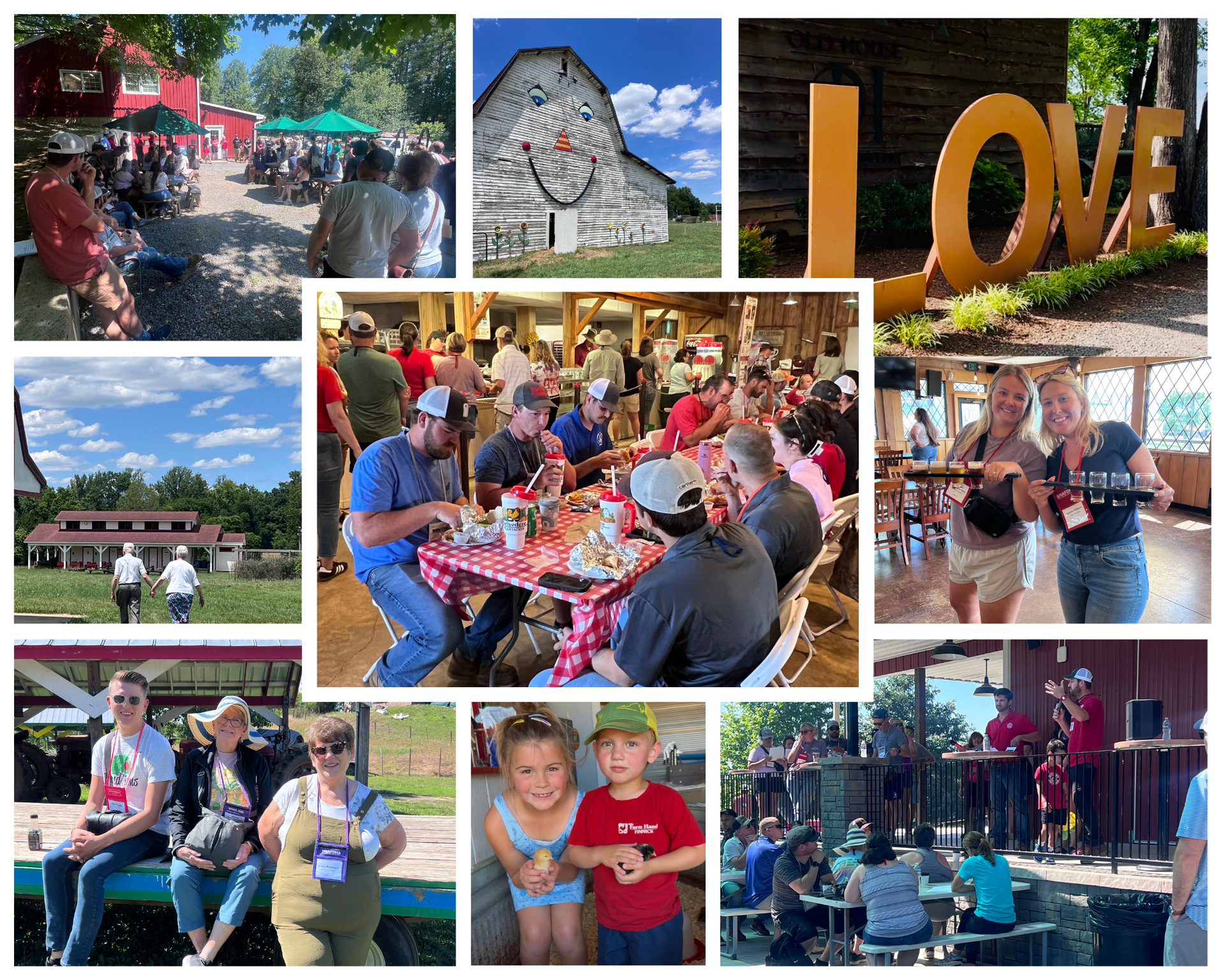
There is something powerful about stepping onto another farm and seeing agritourism through a fresh set of eyes. New layouts, new revenue streams, new guest experiences, new food ideas, and new conversations all have a way of sending attendees home with notebooks full of possibilities. That is exactly what happened when NAFDMA members and friends gathered for the 2026 Agritourism Farm Tour, June 16–17. Over two full days, attendees explored a diverse lineup of farms and destinations across Virginia and Maryland, each offering a unique look at how agriculture, retail, events, hospitality, and seasonal experiences can come together to create memorable guest experiences. A Tour Rooted in Learning, Connection & Big Ideas The Agritourism Farm Tour is designed to get operators out from behind their own gates and onto farms where learning happens in real time. From fall festival operations and pick-your-own crops to farm markets, food service, event venues, garden centers, and beverage experiences, this tour offered a wide range of ideas for attendees to take home, adapt, and make their own. And of course, some of the best learning happened between stops — on the bus, over meals, during tours, and in the conversations shared between agritourism professionals who understand the joy, pressure, creativity, and heart behind this industry. Day by Day: Inspiration Across Virginia & Maryland Day One — Big Fall Energy, Farm History & Market Experiences The first day began at Cox Farms , a second-generation family business known for creating one of the largest fall events in the Mid-Atlantic region. Attendees had the opportunity to learn from an operation that builds much of its own guest experience, manages major seasonal staffing demands, and continues to grow its fall festival and haunted attraction offerings year after year. From food made on site to large-scale attractions and highly intentional seasonal planning, Cox Farms offered a powerful look at what it takes to build a destination that guests return to again and again. From there, the tour traveled to Belvedere Plantation , a working production farm with a deep history along the Rappahannock River. Attendees learned about the farm’s evolution from pick-your-own strawberries and pumpkins into a fall festival destination featuring the Great Pumpkin Patch, Great Adventure Maize Maze, food venues, and more than 25 attractions. Even though the farm was not open for its fall season during the visit, the stop provided valuable behind-the-scenes insight into seasonal operations, layout, and long-term direct marketing growth. The afternoon continued at Old House Vineyards , a family-owned agritourism destination in Virginia wine country. Set on 165 acres of working farmland, Old House Vineyards showcased how a farm can create gathering spaces around wine, beer, spirits, tours, tastings, weddings, and private events. It was a beautiful reminder that agritourism can be about slowing down, creating atmosphere, and giving guests a reason to stay, celebrate, and return. The day wrapped up at Messick’s Farm Market , a third-generation family farm with roots dating back to the 1920s. Attendees explored how the Messick family blends traditional agriculture, dairy, crop production, a farm market, pick-your-own crops, local products, prepared foods, outdoor play areas, and seasonal festivals. With fresh produce, deli offerings, ice cream, children’s attractions, and hands-on farm experiences, Messick’s highlighted the power of creating a true community gathering place. Day Two — Legacy Farms, Garden Retail & Seasonal Expansion The second day began at Butler’s Orchard , a family-owned Maryland farm that has grown from 25 acres of peaches and a small farm market under an apple tree into more than 300 acres of fruits, vegetables, flowers, trees, pick-your-own crops, seasonal events, and a vibrant farm market. The Butler story offered attendees a meaningful look at legacy, customer service, family involvement, and the way a farm can grow while still honoring its roots. Next, the tour visited Homestead Gardens , the largest enclosed garden center in the Baltimore–Washington, D.C. area. This stop highlighted the many ways retail, education, community outreach, events, environmental advocacy, and hospitality can work together. From the Beer Farm collaboration and event spaces to kids’ programming, signature events, fundraising, and sustainability efforts, Homestead Gardens offered creative inspiration for farms looking to expand their impact beyond traditional retail. The tour concluded at Montpelier Farms , a fall festival destination preparing for its 19th season. With more than 30 fall attractions, a 7-acre corn maze, farm animals, food service, a café, a market and donut operation in a historic tobacco barn, events, private campfires, and a growing tulip experience, Montpelier Farms showcased the importance of season extension and creative use of farm assets. Their fall festival, nighttime offerings, tulip planting, food options, and event spaces gave attendees plenty to think about as they headed home. Why This Tour Mattered This was more than a list of farm stops. It was a collection of real-world lessons that agritourism operators can carry back to their own businesses: Guest experience is built with intention. From arrival flow and food placement to photo ops, play areas, markets, and gathering spaces, every detail matters. Seasonal businesses require year-round thinking. Many of the farms on the tour showed how planning, building, staffing, and improving never really stop. Food and retail continue to be powerful profit centers. Farm markets, cafés, donuts, beverages, prepared foods, and local products all played a key role in the guest experience. Legacy and innovation can grow side by side. These farms honored family history while continuing to evolve for today’s guests. Connection is one of NAFDMA’s greatest strengths. The conversations, questions, and shared experiences between attendees are what make these tours so valuable. What’s Next? Whether you joined us on the tour or followed along from home, we hope this recap gives you fresh ideas and encouragement for your own farm, market, or agritourism destination. NAFDMA events are created to bring operators together for education, inspiration, and connection — because when we learn from one another, our farms, families, teams, and communities grow stronger. Keep an eye on upcoming NAFDMA opportunities, including future tours, learning events, and the Agritourism Convention & Expo. Your next great idea may be waiting at the next stop. Thank You A heartfelt thank you to each farm that opened its gates, shared its story, and gave attendees a behind-the-scenes look at the creativity and hard work behind their operations. Thank you to everyone who attended, asked questions, shared ideas, and made the 2026 Agritourism Farm Tour such a meaningful experience. And thank you to our 2026 Farm Tour sponsors for helping make this event possible. Together, these shared experiences continue to strengthen the agritourism industry — one farm, one conversation, and one new idea at a time.
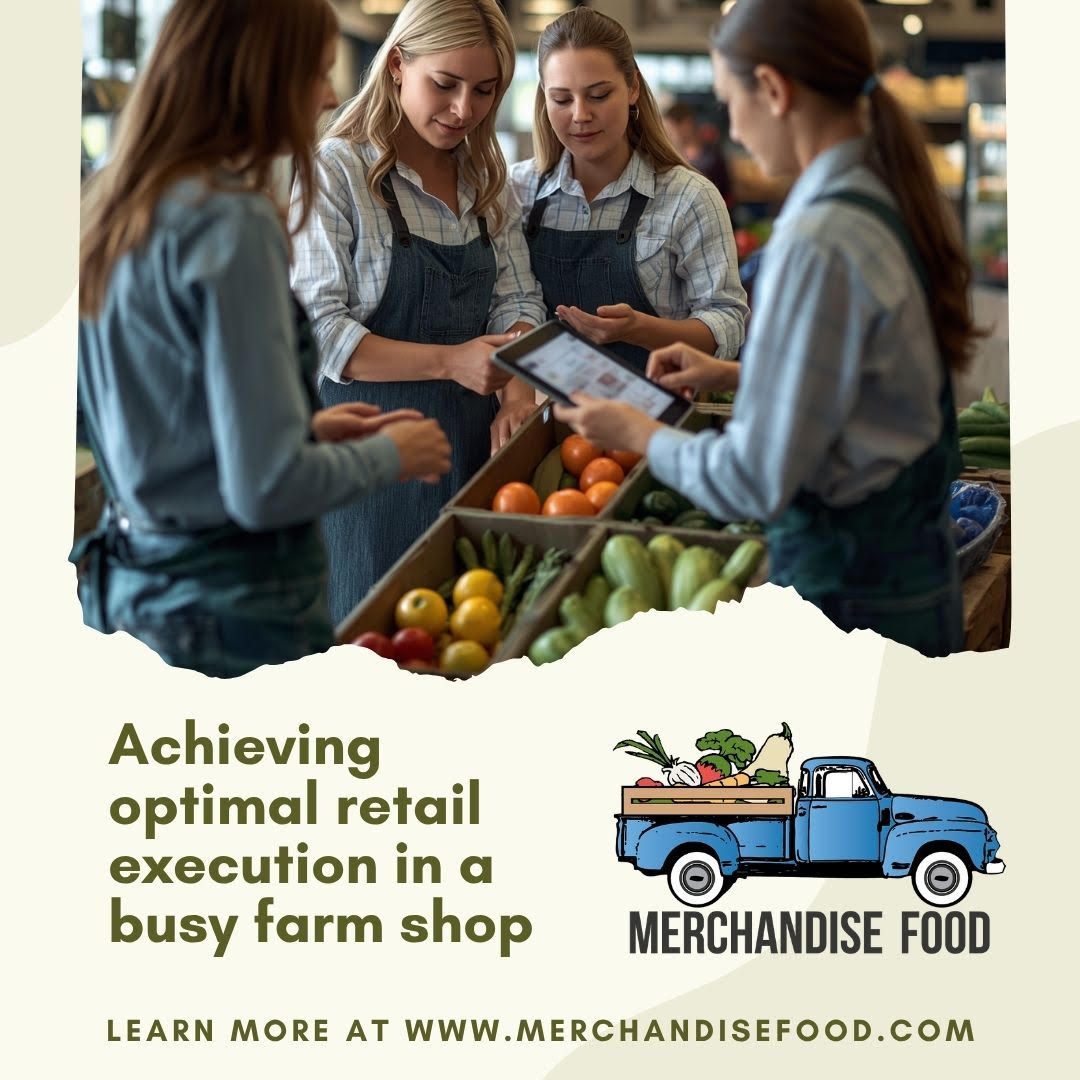
Industry Insights from Merchandise Food Written by by Dean Starros Automated Guidance Managing a farm shop requires constant human supervision. But consider driving in traffic: millions of people are automatically guided every day to navigate safely in highly complex environments. Farm shops should be operated similarly! Real-time operational guidance can systematically guide teams to complete work on time, with quality and precision, whether or not a supervisor is present. Effective Training Traditional training methods fall short in fast-paced retail environments. A more effective approach is to mimic a "basketball coach", by delivering quick, non-disruptive guidance while the game is on. This continuous reinforcement builds confidence, improves quality, and increases productivity. Risk & Liability Automation can also be used to detect HR and operational risks, in order to prevent costly legal liability. At Merchandise Food, we help farm shops implement operational strategies to increase efficiency, improve quality and reduce risk. To learn more, visit us at https://merchandisefood.com/ .

At NAFDMA, we are always looking for ways to create more value for our members — not only through education and connection, but through opportunities that help your business grow stronger and more sustainable for the future. That is why we are EXCITED to share a new opportunity designed to support NAFDMA members. Goldman Sachs 10,000 Small Businesses Program — Available to NAFDMA Members at No Cost Running an agritourism business requires more than passion — it requires strategy, leadership, and a strong understanding of how to grow sustainably. That’s why we’re excited to share that NAFDMA members can participate in the Goldman Sachs 10,000 Small Businesses (10KSB) program completely free of charge. Goldman Sachs 10,000 Small Businesses is a national nonprofit initiative focused on strengthening local economies by supporting small businesses and the communities they serve. In partnership with Goldman Sachs, ICIC helps deliver this highly respected and competitive growth program designed specifically to help business owners build the skills, connections, and confidence needed to scale. Want to see a NAFDMA member sharing their experience with the program? Click to WATCH THIS VIDEO. What Makes the Program Valuable? Participants in the 10KSB program receive: A full scholarship funded by the Goldman Sachs Foundation — offered at no cost to the business owner Hands-on education focused on real business growth Practical, action-oriented learning designed for immediate implementation Curriculum covering real-world business skills such as: Negotiation Marketing Employee management Financial growth strategies Access to highly trained professionals who understand what it takes to grow a small business A powerful peer network of growth-minded business owners from across the country Real Results for Small Businesses The impact of the program speaks for itself. Within six months of graduating: 66% of participating businesses report increased revenues 44% report adding new jobs Programs like this provide business owners the opportunity to truly work on their business — not just in it. For agritourism operators balancing operations, staffing, guest experience, marketing, and long-term planning, this kind of focused business development can be transformational. Learn More & Apply To learn more about the Goldman Sachs 10,000 Small Businesses program or begin the application process, visit: 10,000 Small Businesses Application We encourage NAFDMA members to explore this incredible opportunity and consider how investing in your leadership and business growth today can shape the future of your operation tomorrow. At NAFDMA, we believe strong businesses create stronger farms, stronger destinations, and stronger communities. We’re proud to continue connecting members with opportunities that support growth, innovation, and long-term success across the agritourism industry.
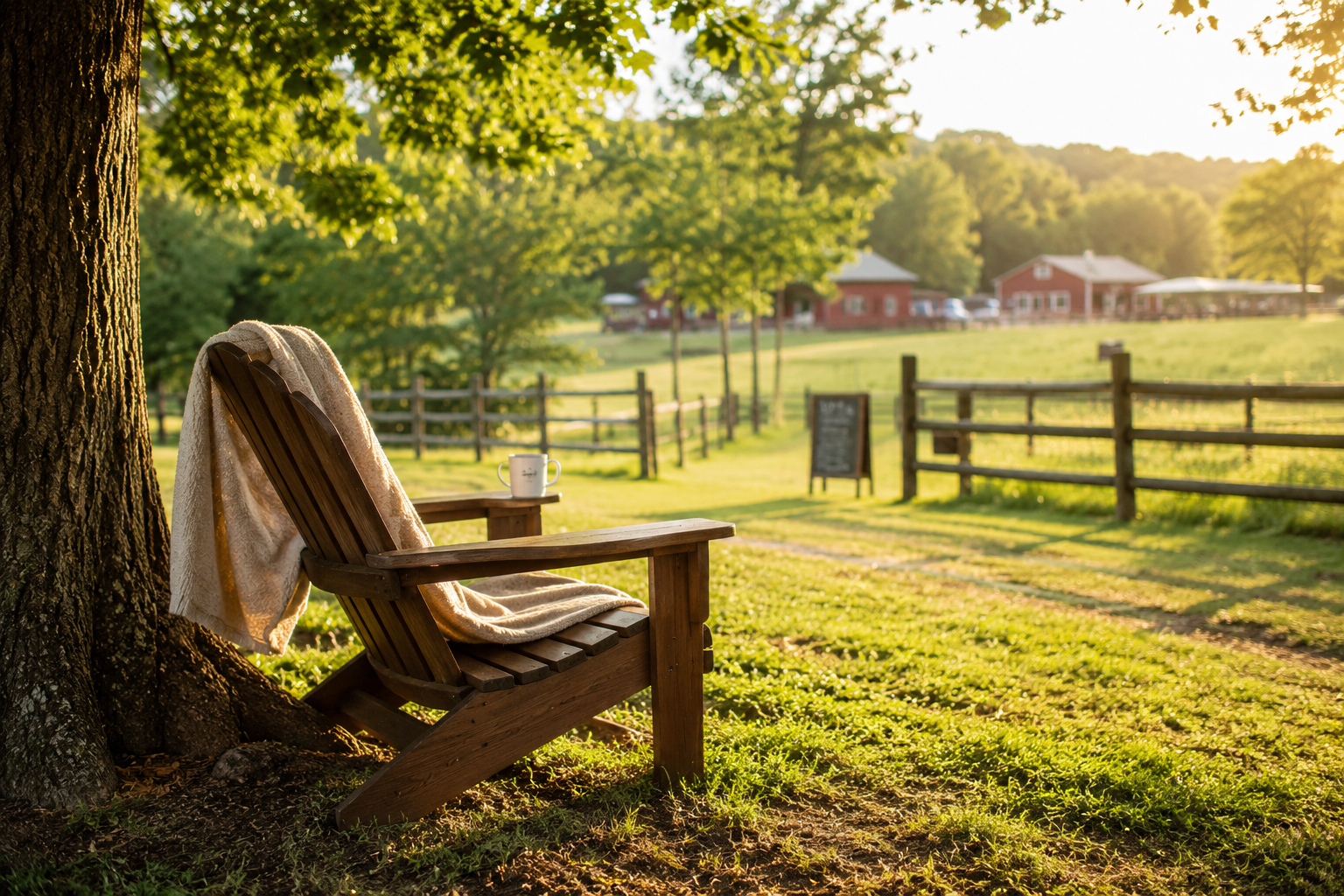
Consider This Your Permission — and Invitation — to PAUSE