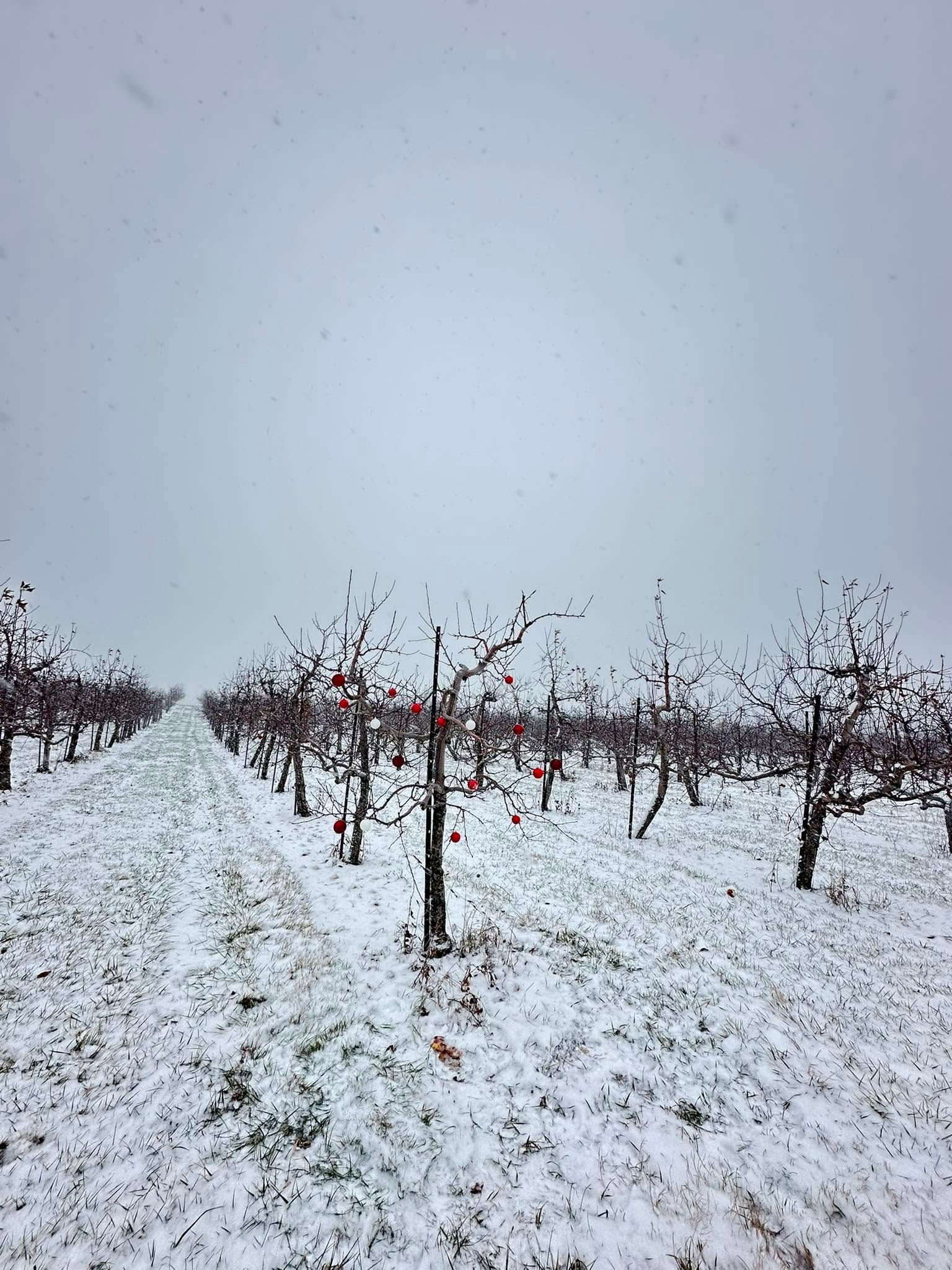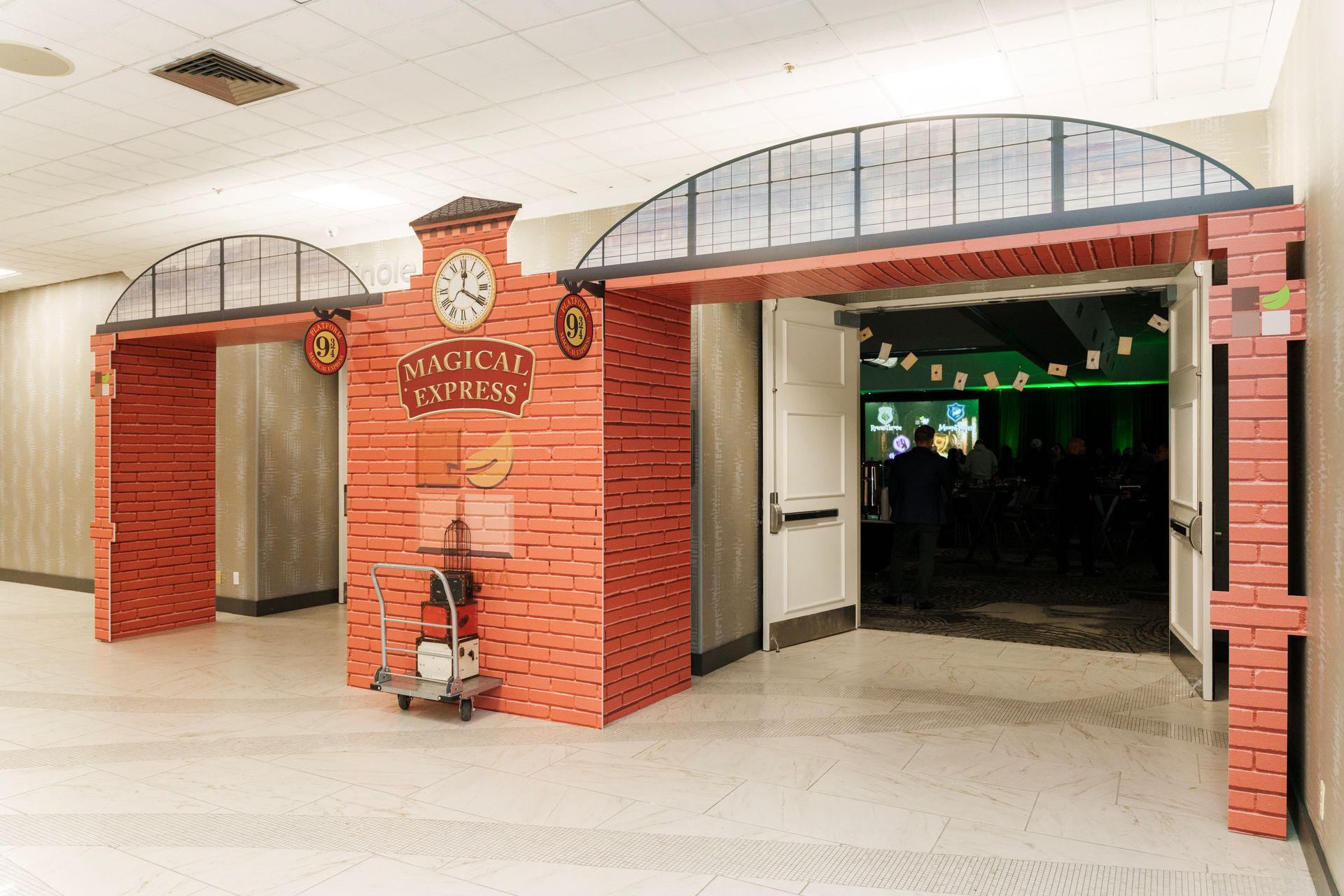

Planting Joy on the Farm: Simple Ways to Create Delightful Experiences Guests Will Remember

What makes a farm feel joyful?
According to designer and TED speaker Ingrid Fetell Lee, joy isn’t just an emotion — it’s something we can intentionally design into our spaces. In her TED Talk, Where Joy Hides and How to Find It, she explains that joyful places often share common characteristics: bright colors, round shapes, movement, abundance, playful surprises, and sensory experiences.


And honestly? Farms are already halfway there.


Pumpkins, flowers, orchards, bouncing animals, rows of colorful produce, winding paths, fresh air, giant tractors — agritourism naturally contains many of the elements that spark joy. The opportunity is learning how to amplify them intentionally.


Here are some simple, creative ways farms can incorporate more joy into their spaces — without needing a massive renovation budget.


Start with Color

One of the strongest themes in Lee’s work is the power of bright, vivid color. She notes that colorful environments naturally energize people and create feelings of delight.


Many farms lean heavily into natural wood, metal, and neutral tones — which makes pops of color even more impactful.

A few ideas:

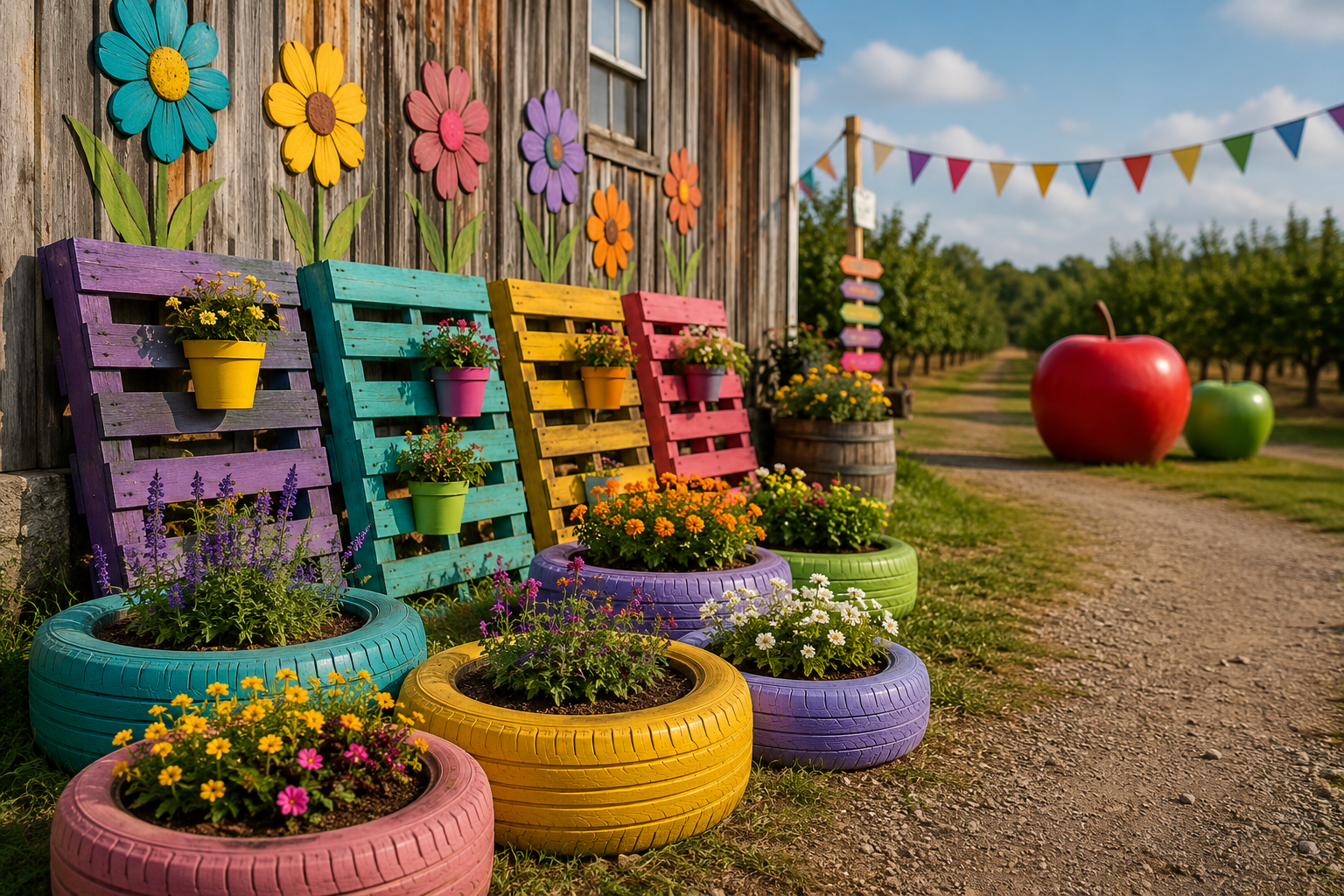
  • Paint old tractor tires in bright colors and turn them into flower or herb planters
  • Use painted wooden pallets as colorful backdrops against barn walls
  • Add painted murals or oversized flowers to otherwise plain buildings
  • Use brightly painted benches, gates, or picnic tables throughout the property
  • Create rainbow rows of planters, barrels, or birdhouses
  • Hang colorful ribbons, pinwheels, or streamers near pathways


Color photographs beautifully, too — which means guests are more likely to share their visit online.


Think Big, Round, and Playful

Lee’s research found that people consistently associate round shapes and repetition with joy. Think bubbles, balloons, polka dots, wheels, or giant oversized objects.


That translates perfectly to agritourism.


Imagine:

  • Giant fiberglass apples in an orchard
  • Oversized pumpkins visitors can sit beside for photos
  • Round flower tunnels or archways
  • Circular seating areas around fire pits
  • Hanging spheres, lanterns, or colorful globes in trees
  • Repeating rows of bright umbrellas over walkways
  • Large painted dots or patterns on pathways for kids to follow


The key is whimsy. Guests remember places that feel a little unexpected.


Add Movement Wherever You Can

Joy is physical. It feels alive.


Movement catches attention and instantly changes the energy of a space.


Easy ways to add movement:

  • Wind spinners in flower beds
  • Ribbon walls that flutter in the breeze
  • Porch swings and hanging chairs
  • Bubble stations for kids
  • Water features or small fountains
  • Flags lining driveways or pathways
  • Interactive musical elements like outdoor chimes or drum walls
  • Sunflower patches or tall grasses that sway naturally


Movement also encourages guests to linger — and the longer people stay, the more connected they feel to your farm.


Create “Joy Spotting” Moments

Some of the most memorable farm experiences are tiny surprises visitors stumble upon.


A hidden fairy garden.
A bright yellow chair in the middle of a field.
A tiny painted door on a tree.
A goat named Kevin wearing pajamas.

These small moments create discovery — and discovery creates emotional connection.

Try adding:

  • Unexpected signs with funny sayings
  • Tiny hidden details for kids to find
  • Painted rocks along walking paths
  • Quirky sculptures made from reclaimed farm materials
  • Seasonal selfie stations
  • Random bursts of flowers in unusual places


Not every area needs to be highly polished. Sometimes joy comes from the unexpected and imperfect.


Use Abundance as Decor

Farms already have one huge advantage over many attractions: abundance.


Rows of pumpkins.
Bins overflowing with apples.
Fields of flowers.
Stacks of colorful produce.


Lee describes abundance and repetition as deeply joyful because they create visual richness and excitement.


Instead of minimizing those moments, highlight them:

  • Stack pumpkins by color
  • Arrange produce in rainbow patterns
  • Create dramatic harvest displays
  • Use overflowing flower baskets intentionally
  • Line pathways with repeated elements like lanterns or barrels


Sometimes the most joyful displays are simply taking what already exists on the farm and showcasing it creatively.


Don’t Forget the Adults

One important point Lee makes is that joy is often treated as something “for kids,” when adults need it just as much.


That means joyful design doesn’t have to feel childish.


A colorful flower field.
A cozy swing under café lights.
A beautifully painted cider barn.
A playful orchard installation.

These moments create emotional experiences for all ages — and emotional experiences are what bring guests back year after year.


Joy Creates Connection

At the end of the day, joyful spaces do more than look pretty.


They make people feel something.


And in agritourism, feeling matters. People may come for pumpkins, apples, berries, or events — but what they remember is how your farm made them feel.


A little more color.
A little more whimsy.
A little more movement.
A few unexpected surprises.


Sometimes that’s all it takes to turn an ordinary visit into a memorable experience guests can’t wait to share.


For more inspiration, watch Ingrid Fetell Lee’s TED Talk: “Where Joy Hides and How to Find It”.

RECENT ARTICLES
By angie July 2, 2026
Make the Most of the Space You Have Guest written by Randy White Many farms are gearing up for their summer and fall festival seasons. Here are a few layout tips for planning festival grounds. People dislike dead ends because they make guests retrace their steps. Instead, create continuous circulation paths. Here’s a conceptual illustration showing a bad and good circulation pattern.
By angie June 24, 2026
From 50 hens to 4,500 layers, Aaron Brand shares the lessons, challenges, and rewards of building a successful egg enterprise alongside a diversified agritourism farm.
By angie June 24, 2026
There is something powerful about stepping onto another farm and seeing agritourism through a fresh set of eyes. New layouts, new revenue streams, new guest experiences, new food ideas, and new conversations all have a way of sending attendees home with notebooks full of possibilities. That is exactly what happened when NAFDMA members and friends gathered for the 2026 Agritourism Farm Tour, June 16–17. Over two full days, attendees explored a diverse lineup of farms and destinations across Virginia and Maryland, each offering a unique look at how agriculture, retail, events, hospitality, and seasonal experiences can come together to create memorable guest experiences. A Tour Rooted in Learning, Connection & Big Ideas The Agritourism Farm Tour is designed to get operators out from behind their own gates and onto farms where learning happens in real time. From fall festival operations and pick-your-own crops to farm markets, food service, event venues, garden centers, and beverage experiences, this tour offered a wide range of ideas for attendees to take home, adapt, and make their own. And of course, some of the best learning happened between stops — on the bus, over meals, during tours, and in the conversations shared between agritourism professionals who understand the joy, pressure, creativity, and heart behind this industry. Day by Day: Inspiration Across Virginia & Maryland Day One — Big Fall Energy, Farm History & Market Experiences The first day began at Cox Farms , a second-generation family business known for creating one of the largest fall events in the Mid-Atlantic region. Attendees had the opportunity to learn from an operation that builds much of its own guest experience, manages major seasonal staffing demands, and continues to grow its fall festival and haunted attraction offerings year after year. From food made on site to large-scale attractions and highly intentional seasonal planning, Cox Farms offered a powerful look at what it takes to build a destination that guests return to again and again. From there, the tour traveled to Belvedere Plantation , a working production farm with a deep history along the Rappahannock River. Attendees learned about the farm’s evolution from pick-your-own strawberries and pumpkins into a fall festival destination featuring the Great Pumpkin Patch, Great Adventure Maize Maze, food venues, and more than 25 attractions. Even though the farm was not open for its fall season during the visit, the stop provided valuable behind-the-scenes insight into seasonal operations, layout, and long-term direct marketing growth. The afternoon continued at Old House Vineyards , a family-owned agritourism destination in Virginia wine country. Set on 165 acres of working farmland, Old House Vineyards showcased how a farm can create gathering spaces around wine, beer, spirits, tours, tastings, weddings, and private events. It was a beautiful reminder that agritourism can be about slowing down, creating atmosphere, and giving guests a reason to stay, celebrate, and return. The day wrapped up at Messick’s Farm Market , a third-generation family farm with roots dating back to the 1920s. Attendees explored how the Messick family blends traditional agriculture, dairy, crop production, a farm market, pick-your-own crops, local products, prepared foods, outdoor play areas, and seasonal festivals. With fresh produce, deli offerings, ice cream, children’s attractions, and hands-on farm experiences, Messick’s highlighted the power of creating a true community gathering place. Day Two — Legacy Farms, Garden Retail & Seasonal Expansion The second day began at Butler’s Orchard , a family-owned Maryland farm that has grown from 25 acres of peaches and a small farm market under an apple tree into more than 300 acres of fruits, vegetables, flowers, trees, pick-your-own crops, seasonal events, and a vibrant farm market. The Butler story offered attendees a meaningful look at legacy, customer service, family involvement, and the way a farm can grow while still honoring its roots. Next, the tour visited Homestead Gardens , the largest enclosed garden center in the Baltimore–Washington, D.C. area. This stop highlighted the many ways retail, education, community outreach, events, environmental advocacy, and hospitality can work together. From the Beer Farm collaboration and event spaces to kids’ programming, signature events, fundraising, and sustainability efforts, Homestead Gardens offered creative inspiration for farms looking to expand their impact beyond traditional retail. The tour concluded at Montpelier Farms , a fall festival destination preparing for its 19th season. With more than 30 fall attractions, a 7-acre corn maze, farm animals, food service, a café, a market and donut operation in a historic tobacco barn, events, private campfires, and a growing tulip experience, Montpelier Farms showcased the importance of season extension and creative use of farm assets. Their fall festival, nighttime offerings, tulip planting, food options, and event spaces gave attendees plenty to think about as they headed home. Why This Tour Mattered This was more than a list of farm stops. It was a collection of real-world lessons that agritourism operators can carry back to their own businesses: Guest experience is built with intention. From arrival flow and food placement to photo ops, play areas, markets, and gathering spaces, every detail matters. Seasonal businesses require year-round thinking. Many of the farms on the tour showed how planning, building, staffing, and improving never really stop. Food and retail continue to be powerful profit centers. Farm markets, cafés, donuts, beverages, prepared foods, and local products all played a key role in the guest experience. Legacy and innovation can grow side by side. These farms honored family history while continuing to evolve for today’s guests. Connection is one of NAFDMA’s greatest strengths. The conversations, questions, and shared experiences between attendees are what make these tours so valuable. What’s Next? Whether you joined us on the tour or followed along from home, we hope this recap gives you fresh ideas and encouragement for your own farm, market, or agritourism destination. NAFDMA events are created to bring operators together for education, inspiration, and connection — because when we learn from one another, our farms, families, teams, and communities grow stronger. Keep an eye on upcoming NAFDMA opportunities, including future tours, learning events, and the Agritourism Convention & Expo. Your next great idea may be waiting at the next stop. Thank You A heartfelt thank you to each farm that opened its gates, shared its story, and gave attendees a behind-the-scenes look at the creativity and hard work behind their operations. Thank you to everyone who attended, asked questions, shared ideas, and made the 2026 Agritourism Farm Tour such a meaningful experience. And thank you to our 2026 Farm Tour sponsors for helping make this event possible. Together, these shared experiences continue to strengthen the agritourism industry — one farm, one conversation, and one new idea at a time.