From Staff to Side-by-Side: A Fall at Rutledge Family Farm
I left exhilarated, exhausted, and inspired—all at once!
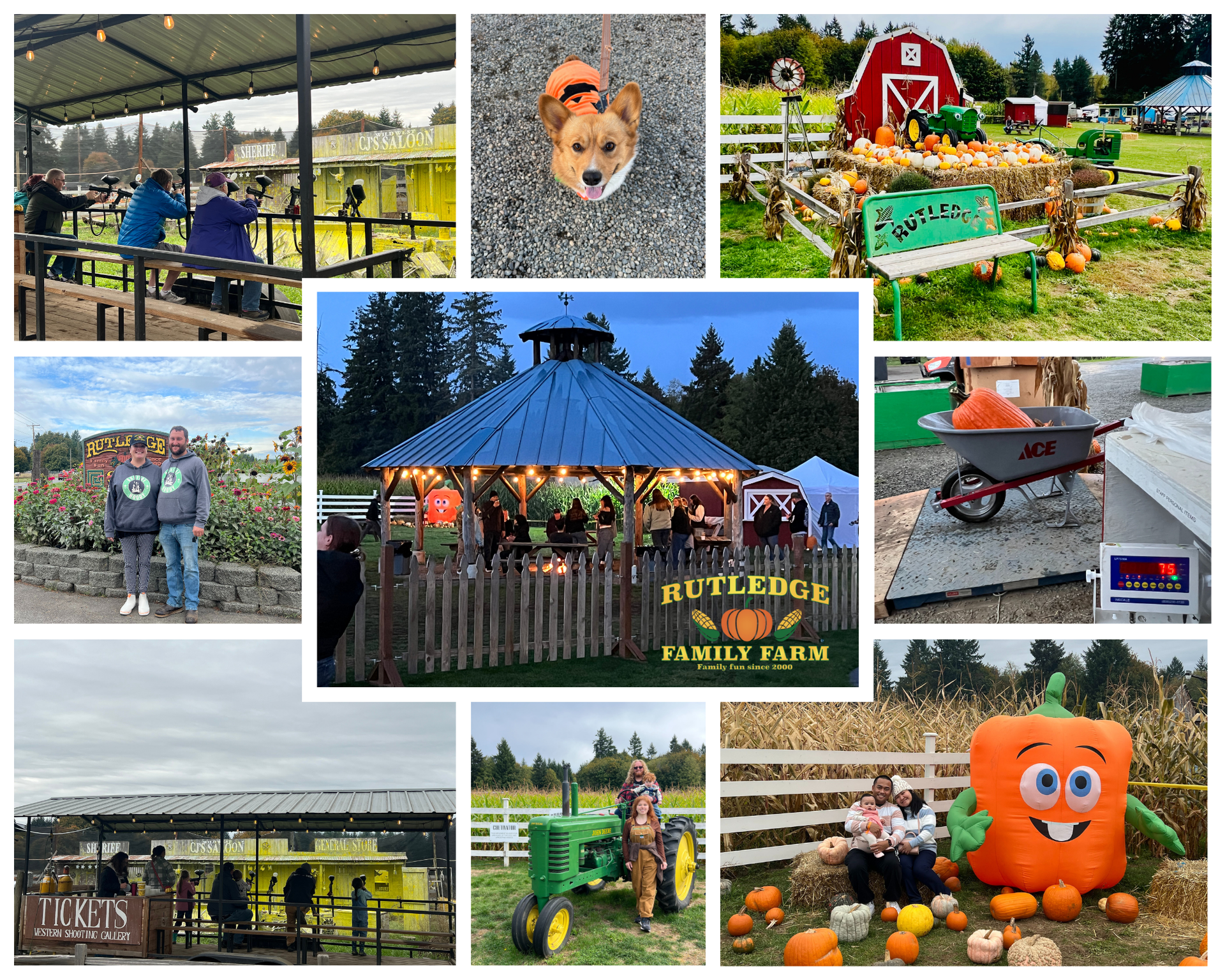
I arrived at Rutledge Family Farm just as the air turned crisp and the leaves began to whisper autumn.
As a NAFDMA staff member, I’ve experienced agritourism through many lenses—webinars, conventions, farm tours, and case studies. But this fall, I traded spreadsheets for wagon rides and email threads for pumpkin rows. I wasn’t just documenting the experience—I was part of it. Boots on, cider in hand, side-by-side with the team bringing the magic of fall to life.
Morning Light & Big-Field Promise
One early morning, I drove the gator past rows of pumpkins as the sun climbed over the horizon, corn stalks rustling softly in the breeze.
It was picture-perfect—what people imagine when they dream of fall on the farm. But behind that postcard moment lies months of planning, planting, and preparation. Long lists. Late nights. Early mornings. Every detail—from the layout of the maze to the flow of the parking lot—is carefully orchestrated so that when guests arrive, everything feels effortless.
By the time marshmallows are roasting and cider is steaming, the behind-the-scenes magic is already in full swing.
Behind the Scenes, Beyond the Smile
From the outside, it’s all pumpkins, photo ops, and family fun—and it is! But behind every smiling guest is a flurry of movement: refilling bins of produce, rerouting traffic when a cloudburst rolls through, restocking the farm market, and keeping the cider slushies coming.
I watched a team that truly loves what they do—greeting guests by name, answering questions, and keeping everything flowing with contagious enthusiasm. Their teamwork wasn’t luck; it was the result of leadership, communication, and a shared passion for creating memorable experiences.
Guests, Moments & Memories
Throughout the day, laughter echoed across the fields. Toddlers toddled toward their first pumpkins, teens navigated the maze in friendly competition, and grandparents smiled from benches, warm cider in hand.
That’s when it hit me: this is what we mean at NAFDMA when we talk about “the agritourism experience.” It’s not just about pumpkins or wagon rides—it’s about connection. It’s about joy. It’s about moments that turn into family traditions and memories that last far beyond the farm gate.
Reflections: What I Learned
- Preparation is everything. From parking lines to wagon ride safety to twinkle lights around the farm to fire pits—every detail matters.
- Guest experience is the heartbeat. Friendly greeters, clean restrooms, clear signage, and well-lit paths make a lasting impact.
- Teamwork drives success. Owners and seasonal staff worked together like clockwork. One teammate said it best: “When we all show up ready, the guests feel it.”
- Fall is a sprint, not a stroll. The energy builds fast once peak weekends hit. I left exhilarated, exhausted, and inspired—all at once.
Why It Matters to Our NAFDMA Community
My week at Rutledge Family Farm reminded me why we share stories in The Pollinator and gather at Convention each year. Every farm looks different, but the heartbeat is the same—dedicated people creating spaces where families connect, laugh, and learn.
Whether your operation features a corn maze, pick-your-own orchard, pumpkin patch, or all of the above, the guest experience, team culture, and behind-the-scenes systems all work together to create that signature agritourism magic.
A Thank You & A Renewed Commitment
Thank you to the Rutledge Family Farm team for letting me step into your world this fall. I left smelling like cider, covered in pumpkin dust, full of kettle corn—and gratitude.
Agritourism is more than an industry; it’s a calling. It’s joy, community, and hard work wrapped in one muddy-booted, heart-filled season.
Here’s to many more weekends of laughter by the fire, sticky caramel apples, and that perfect pumpkin moment captured for years to come.
RECENT ARTICLES