
Memories Are Made of This: Turning Farm Visits Into Stories That Last
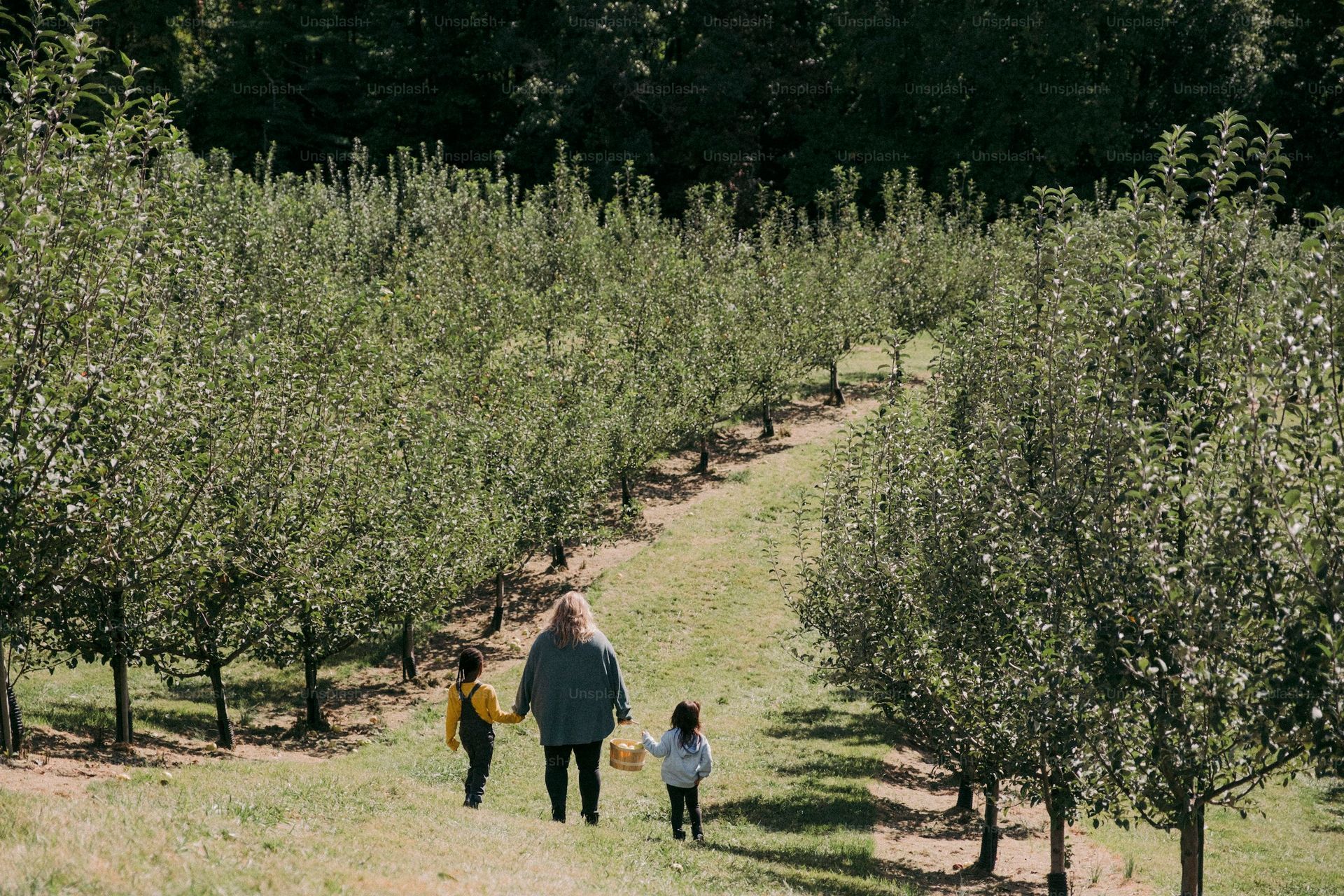
Memories Are Made of This: Turning Farm Visits Into Stories That Last
There is a reason certain songs, scents, places, and foods can take us right back to another season of life.
“Memories Are Made of This,” made famous by Dean Martin in 1955, still brings a sense of nostalgia to many people today. It reminds us that memories are powerful, and for farm visitors, those memories often begin with the simplest moments.
A child tasting something fresh from the farm.
A grandparent remembering the way things used to be.
A family laughing together on a wagon ride.
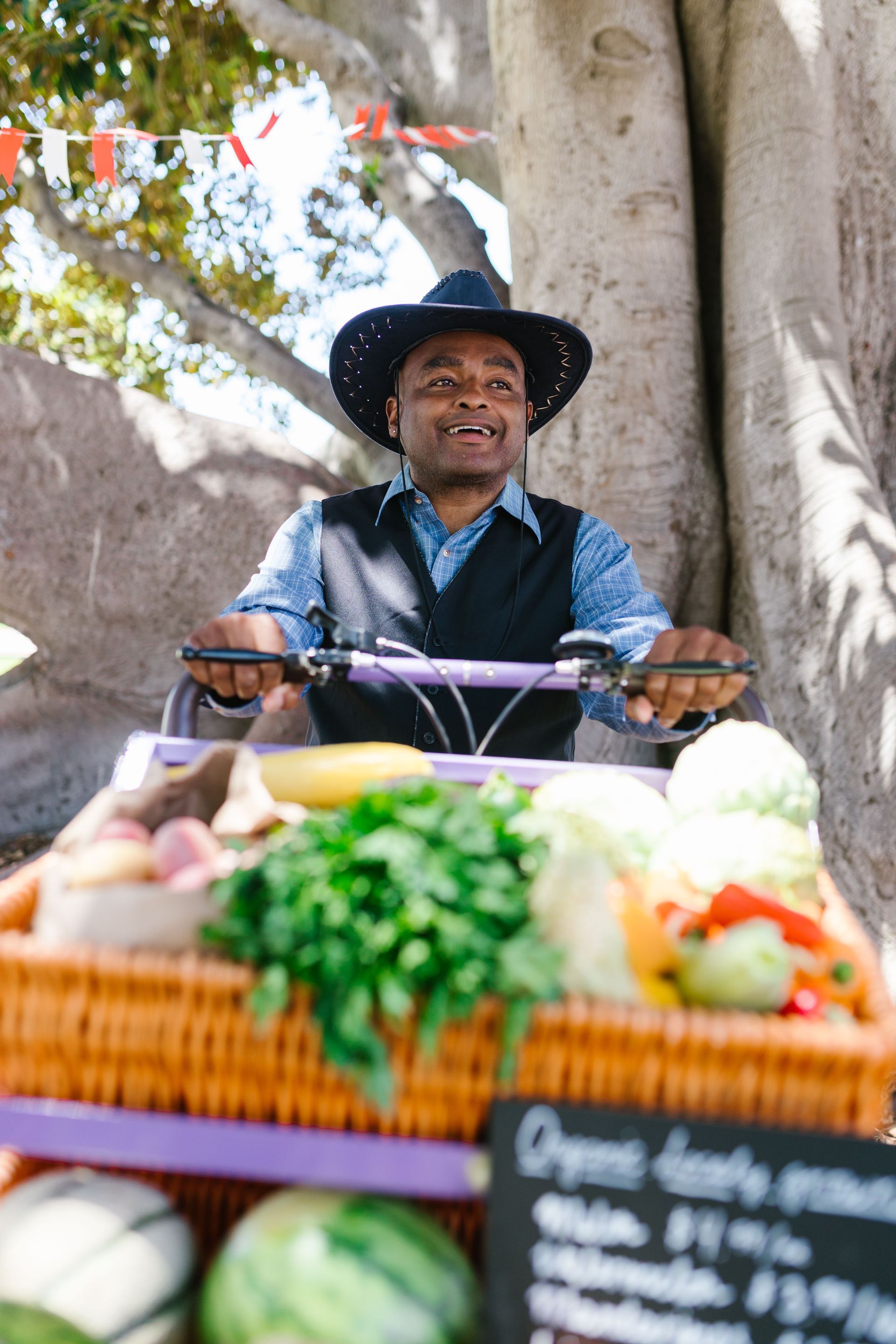
A visitor meeting the farmer and hearing the story behind the food.
These are the moments that make agritourism so meaningful.
The Power of Nostalgia
What we create on our farms should be rooted in memories and nostalgia. Many visitors come because they want to reconnect with something from their past. Others, especially younger generations, are looking for a better understanding of farms, food, and farming life.
As an industry, agritourism has done a strong job of creating those memorable experiences while visitors are on the farm. But many farms have an opportunity to take the next step: keeping those memories alive after the visitor has gone home.
At our own farm, Chestnut Brae, it took us a few years to realize we were not simply selling sweet chestnuts. We were selling nostalgia. It is common for visitors to begin reminiscing about roasted chestnuts they once enjoyed on a street corner in New York, Paris, Rome, London, or Kuala Lumpur. For us, that became our point of difference. We were not just offering a product. We were offering a memory.
That leads to an important question for every agritourism operator:
What are the nostalgic experiences on your farm?
The Power of Meaningful Experiences
As more agritourism destinations continue to grow and evolve, visitors around the world are looking for more than just a day out. They are looking for something meaningful.
They want to meet the farmer.
They want to understand where their food comes from.
They want to feel connected to the land, the people, and the story.
They want to take those memories home and share them with family and friends.
Farmers have a unique opportunity to turn everyday farm life into memorable visitor experiences. The work that may feel ordinary to us can be extraordinary to someone who has never seen it, tasted it, or understood the story behind it.
Our role is to turn agritourism, entertainment, and food into a story visitors can take home with them.
Storytelling Keeps the Experience Alive
Storytelling is one of the most powerful tools we have in agritourism. Visitors should experience the story while they are on the farm, but the opportunity does not have to end when they leave.
At Chestnut Brae, we are partnering with Storylands Atlas, an organization working with farm partners in Canada, the United States, the United Kingdom, and Australia.
Visitors can scan a QR code while they are at the farm, which takes them to Storyland Atlas, where their online memory storyboard begins. From there, they can continue engaging with the farm experience through audio stories, collectables, digital adventures, recipes, and keepsakes.
The goal is simple: take the real farm experience and extend it into a living story world that families can continue to enjoy at home.
Bringing the Farm Story Home
The more we can connect visitors to the story of our farms, the more likely they are to remember us, return to us, and share our story with others.
Agritourism is not just about what visitors do while they are on the farm. It is also about what they remember when they leave.
The sights, sounds, smells, tastes, and stories all become part of the experience. Those memories can continue to build loyalty, connection, and excitement long after the visit is over.
The Agritourism Training Academy provides tools to help farms develop meaningful, nostalgic experiences for their visitors.
To learn more, click the Agritourism Training Academy’s name above.
RECENT ARTICLES