
Scarcity and Authenticity
Guest author this week - Johnny Lyle from Cap.co. They are based out of the UK and now doing work in the US and Canada. Read more into his insights about scarcity and authenticity.
Where there’s scarcity there’s a premium
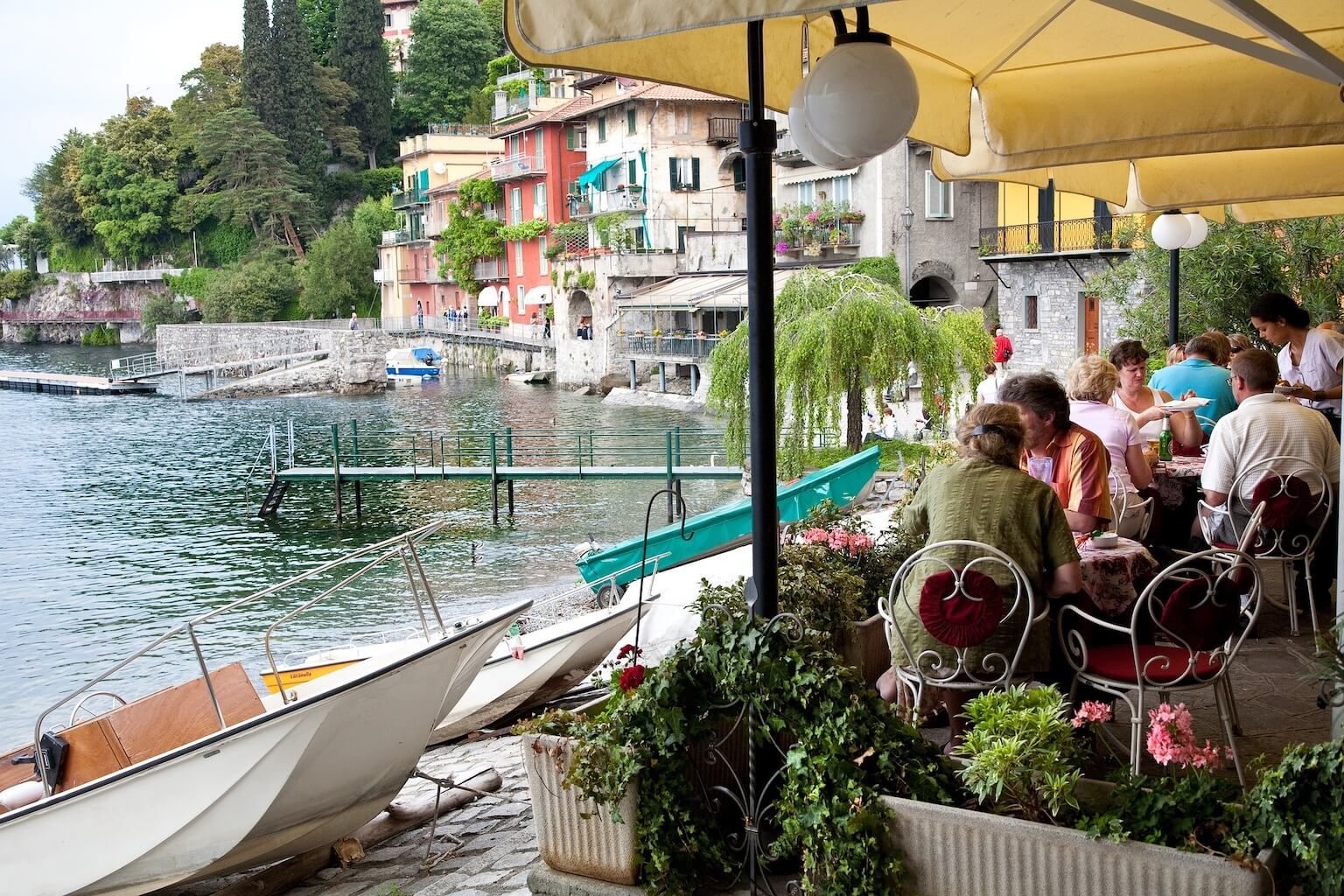
When you go on holiday to Spain, Greece or Turkey, most of the restaurants along the front cater for their international audience by using menus with photos of the food on them, so that even if you don’t speak their language, you’ll see something to point at instead.
Over recent years we’ve noticed that many of these menus have collided.
Pizza, pasta, steak, seafood and the local interpretation of Paella is on every menu and even the prices are similar. One restaurateur saw that another had gained a small competitive advantage and added the exact same differentiator to their own menu too. Within a season or two, all of the restaurants were offering the same choices with very little to differentiate themselves, other than different colour furniture and a very slightly different view of the boardwalk and the beach beyond.
We’ve seen the same happen with playgrounds. They have all collided and now many feel the same.
In the main, central buying by Local Authorities has driven this, but so has the perfect information available online. Everyone can see what everyone else is doing and with a perfect example of FOMO (Fear Of Missing Out) they can get themselves one too.
So what?
So, the reason for all of this preamble is to explain why customers generally don’t book more than 36 hours in advance any more.
It’s because they don’t have to.
If they don’t book today, tickets will more than likely still be available tomorrow and they can be much more certain to know what the weather will be doing, if they leave it until the last minute. Even a discount for early booking isn’t enough of an incentive, as they value the certainty of good weather at an outside attraction, more highly than just a few dollar’s discount.
And, if for some reason they can’t visit you, they can visit someone else down the road with a very similar offer.
So, there’s no real incentive to book early, as there’s no scarcity and very little chance of missing out.
So what’s the answer?
It’s simple, create scarcity.
Make your attraction one of one.
It’s own unique proposition.
Create something that no one else has, or can possibly have, and be different and brilliant enough for people to notice and care.
Do better food, build better play, open at weird hours and create events that are mind blowingly good and nothing like those they can create at home themselves for pennies.
Whatever you do, do it consistently brilliantly. Consistency, consistently is the key.
We know a few different attractions who sell out almost all of their Christmas tickets on the day they release them, as their events are brilliant and a pre-christmas visit has become a family tradition for many, many families for many, many years.
They are not only different, they are beautifully executed.
Good is no longer good enough.
In Jeff Bezos’s own words, advertising is the price you pay for being mediocre and we all know that people don’t pay a premium for mediocre products, service or experiences. They may do once, but they will more than likely tell your potential future guests in the reviews they leave and will not revisit or re-buy.
Creating customer delight is far easier when people have low expectations. But, second time around they will be expecting great. If you fail to deliver exceptional, they are very unlikely to tell you themselves, as the opposite of love isn’t hate, it’s apathy. They will just walk away, grumbling to friends and family.
Creating different
When we approach a project, we look hard at the history of the place we’re building. We look at the people, the history of the place, the flora and fauna, all of which could hold the key to the story we’re going to tell, through the play we create.
What this means in practice is that no-one else can have what you have. Your play will be created around your place and be truly unique.
We’re perhaps not the most sophisticated business people in the world but we do understand how customers think as we’re customers too. We all believe that doing things better will keep us happy and customers delighted into the long term.
We’re celebrating the different and championing the brilliant. Believe us, it’s the only way to build long term sustainable attractions, that thrive for generations.
RECENT ARTICLES