
Opening the Gate in Big Sky Country: A Look Back at the 2025 Montana Agritourism Conference
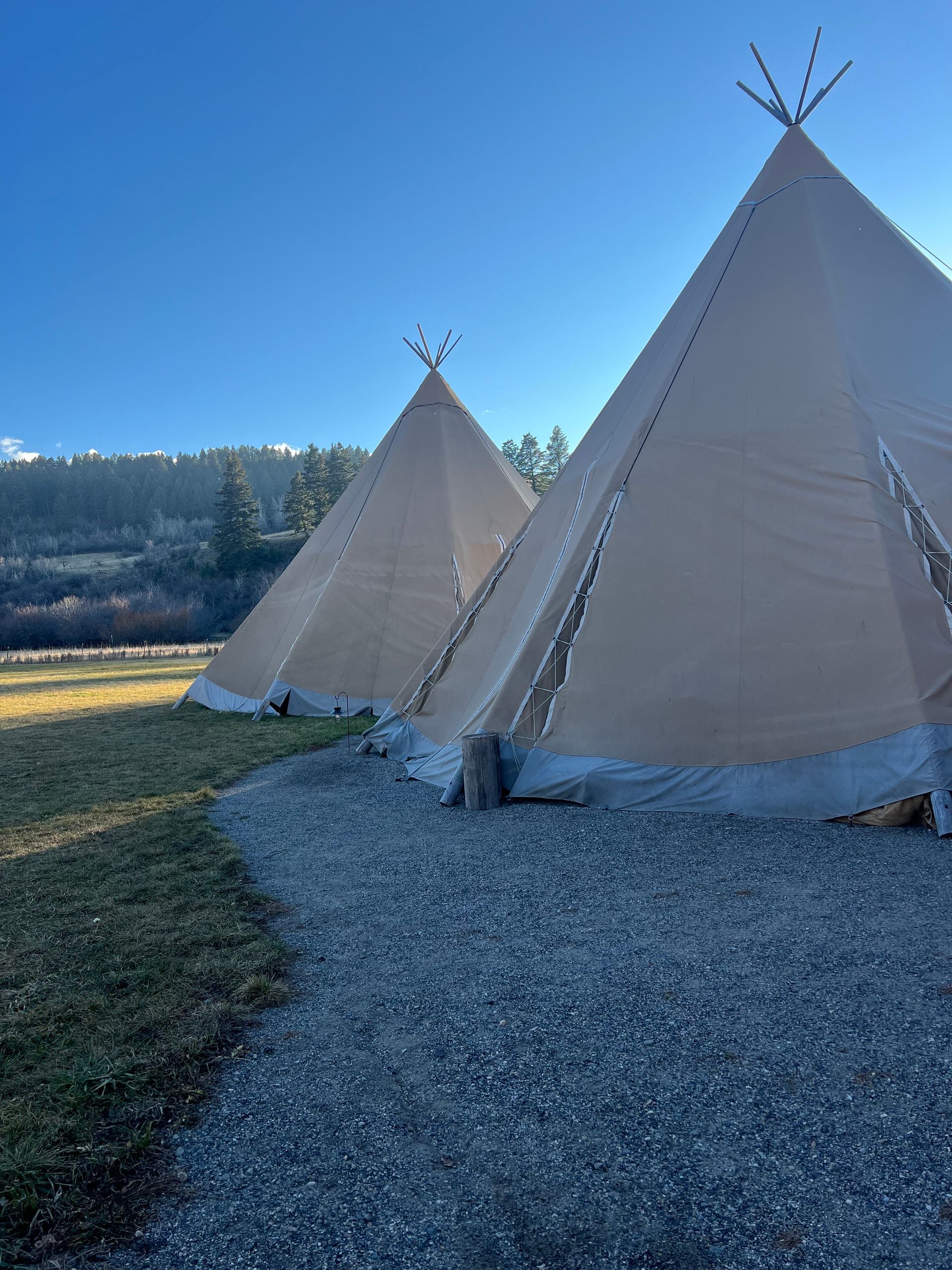
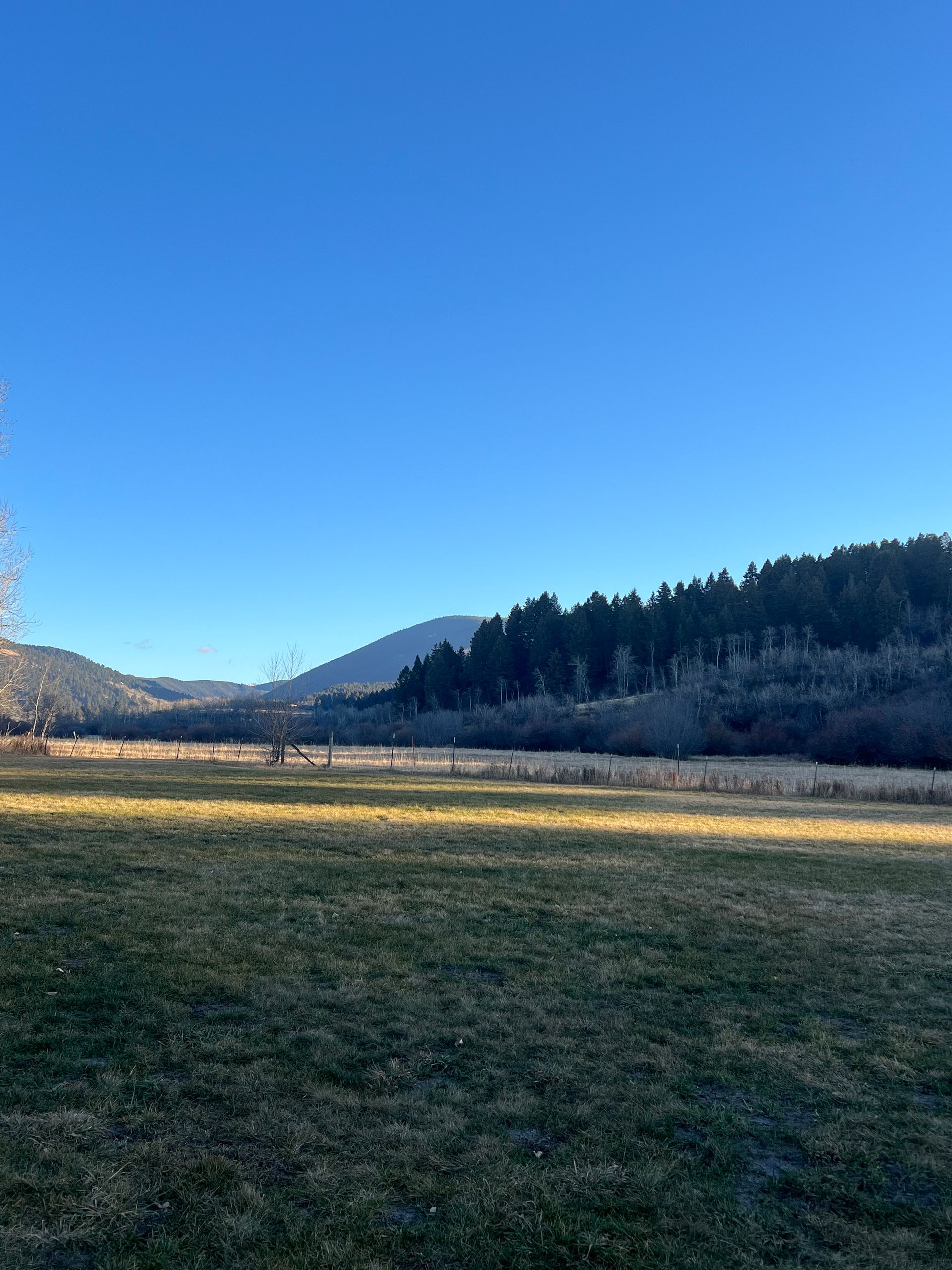
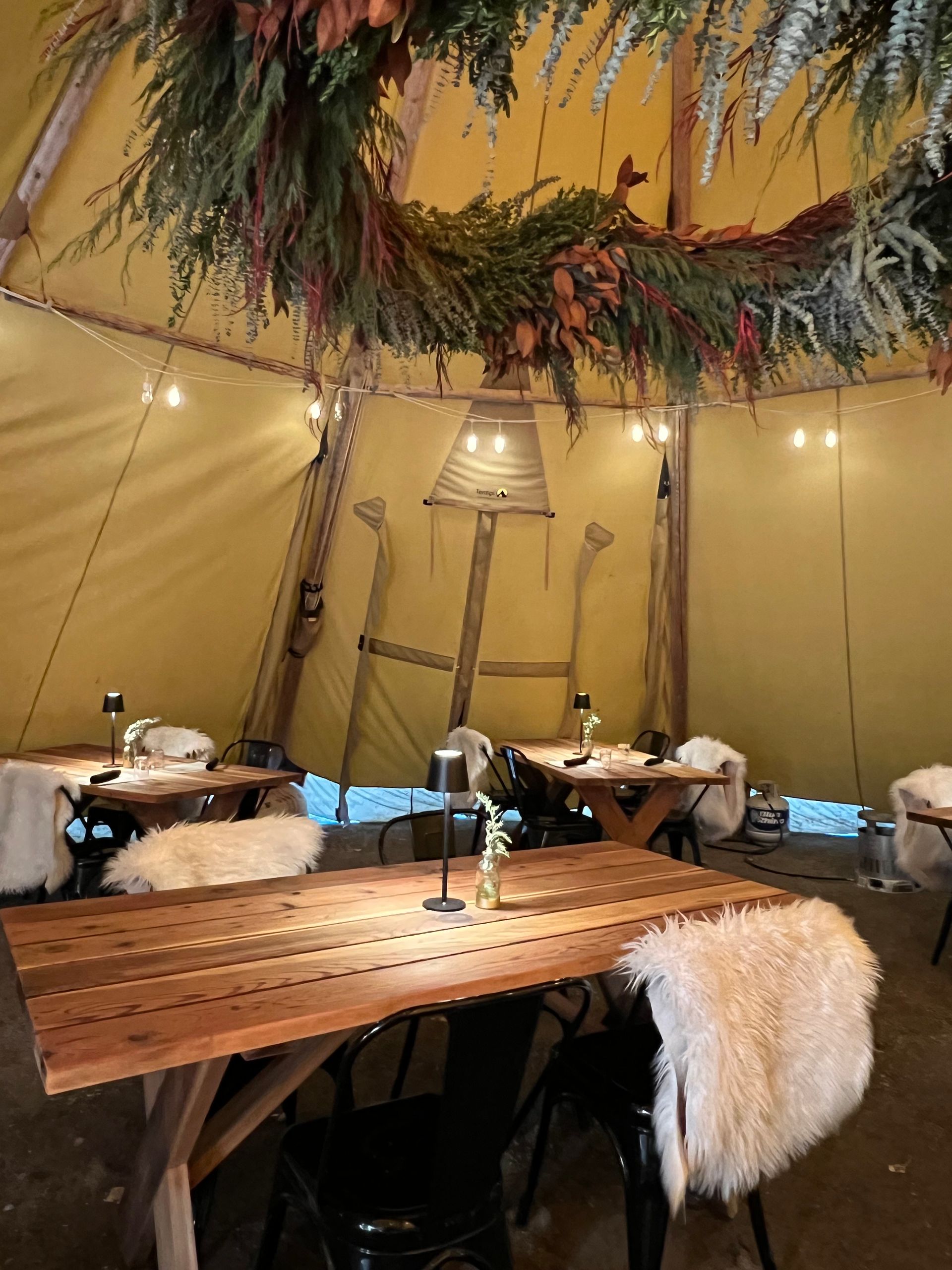
Under the wide Montana sky, something powerful happened. Farmers, ranchers, educators, and tourism leaders gathered in Bozeman not just to attend a conference — but to build a stronger bridge between agriculture and community. The 2025 Montana Agritourism Conference delivered two days of learning, connection, and boots-on-the-ground inspiration that left attendees energized and ready to take their next steps in agritourism.


If you missed it, or simply want to relive the highlights, here’s a look back at everything this year’s event had to offer.


A Gathering of Visionaries & Doers

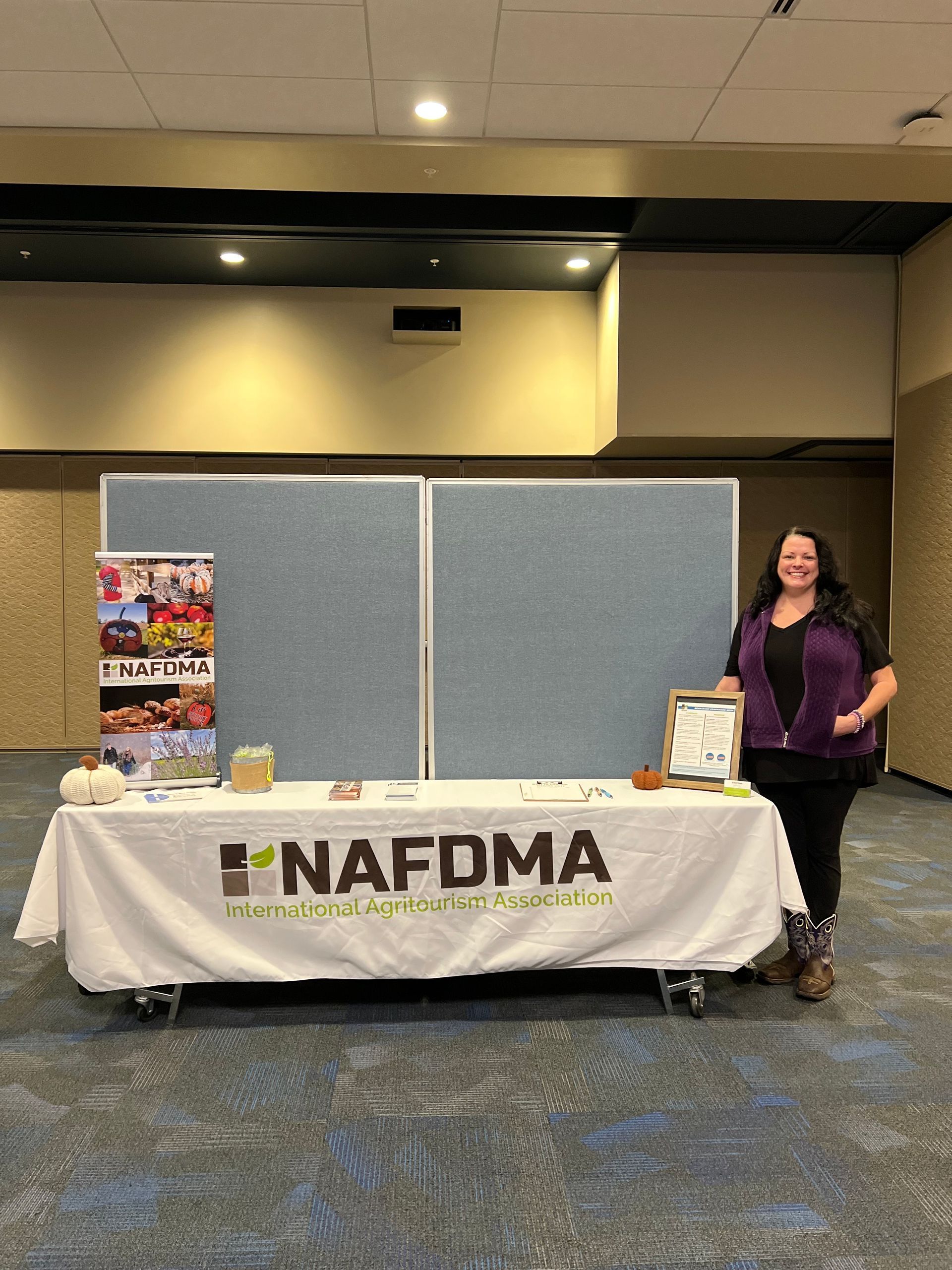
From the moment participants checked in at Montana State University, the energy was unmistakable. Newcomers asked questions. Seasoned operators compared notes. Tourism professionals shared what travelers are craving.


It didn’t matter if someone operated a cattle ranch, a pumpkin patch, a lavender field, or was just beginning to explore agritourism — everyone arrived with the same goal: to learn how to open their gates with confidence, creativity, and sustainability.


Farm Tour: Inspiration on the Ground

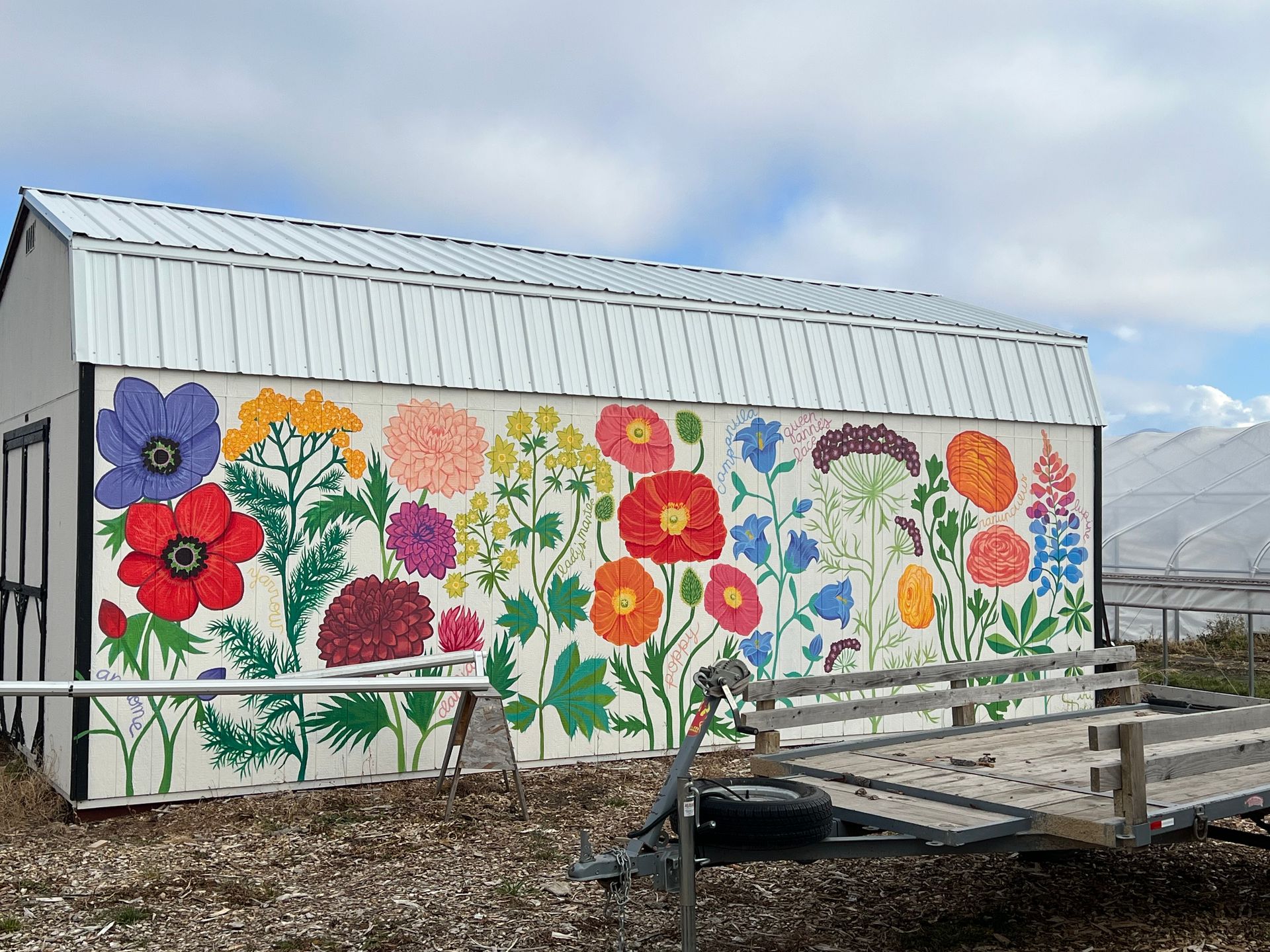
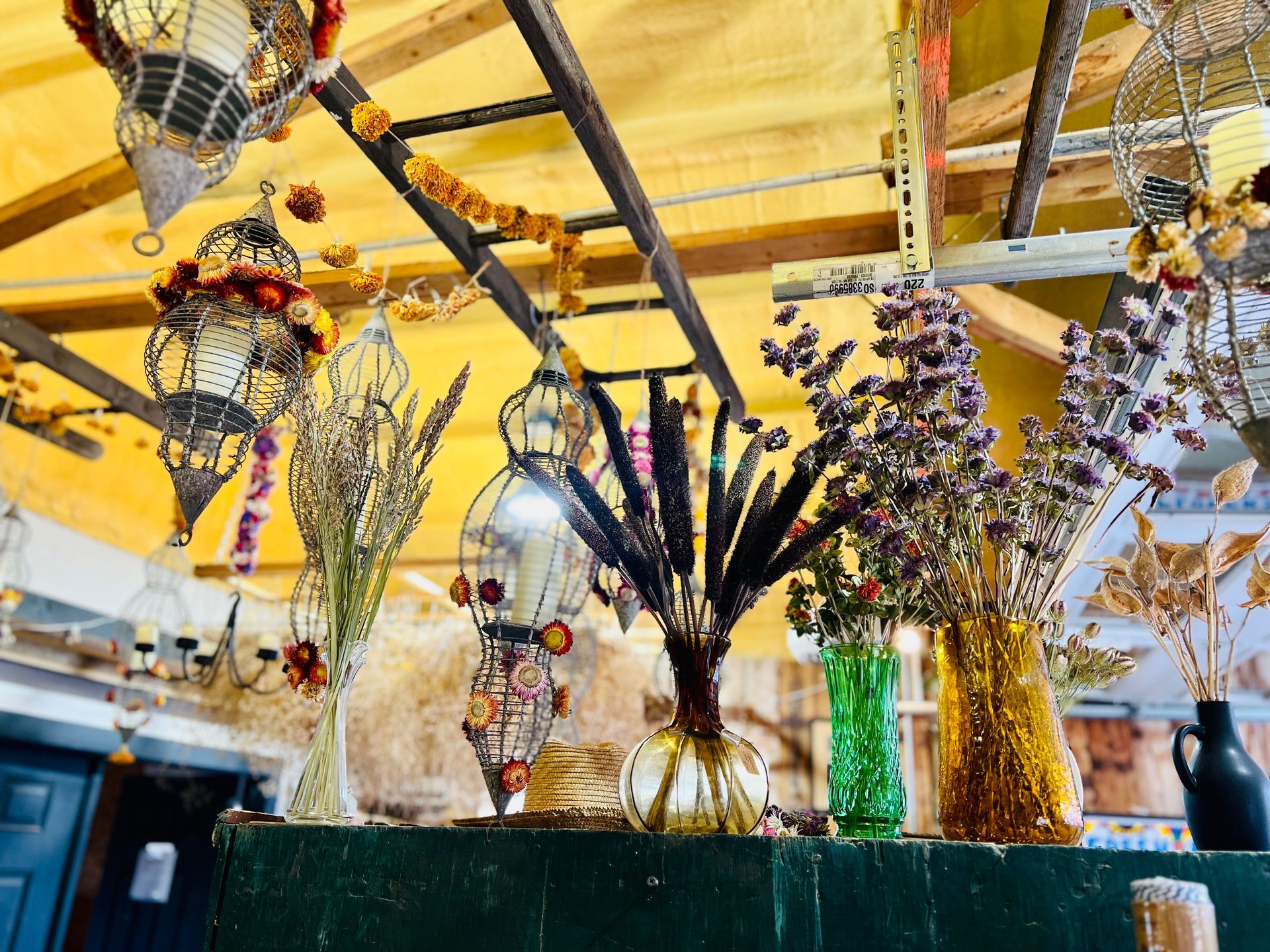
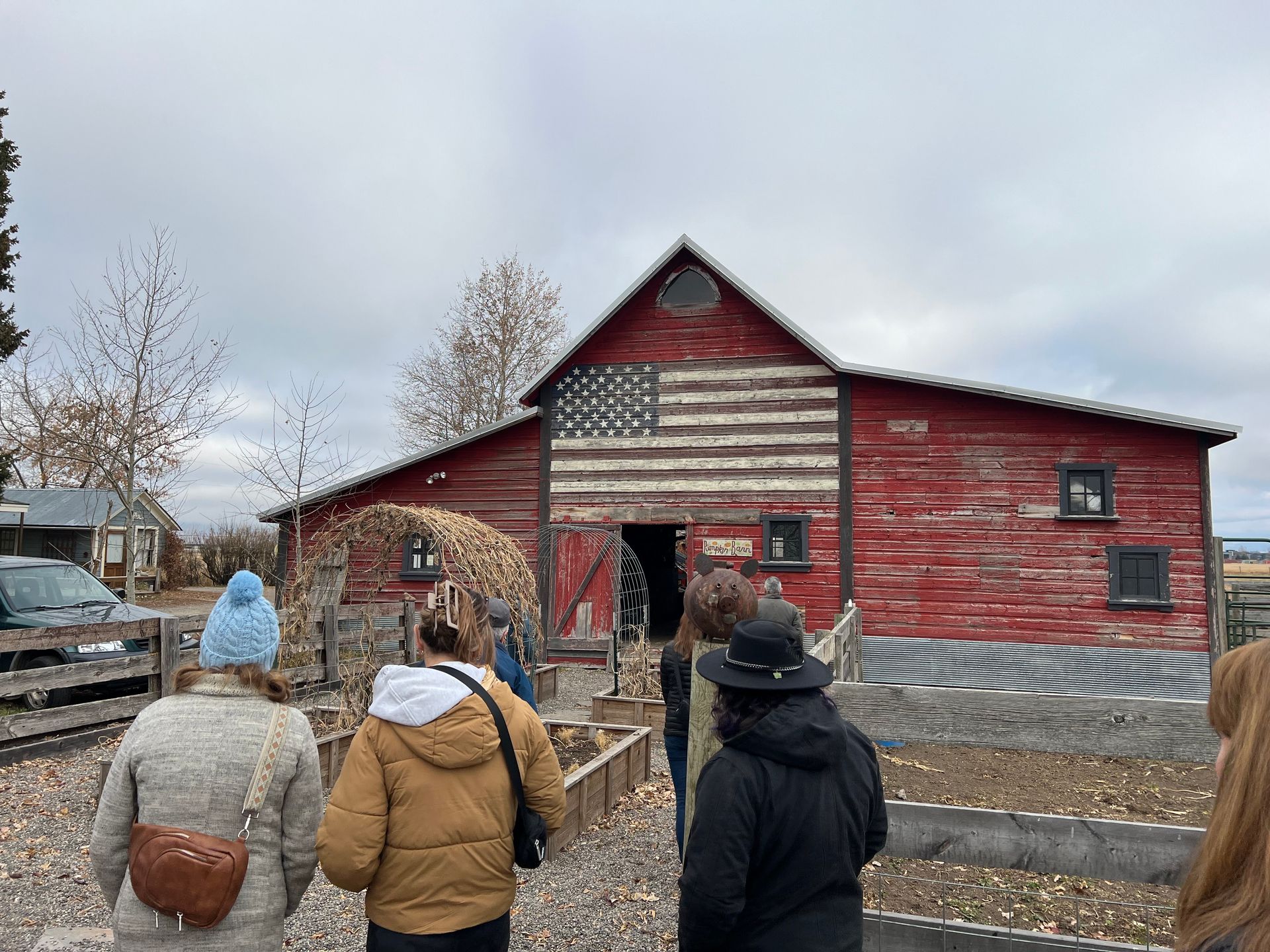
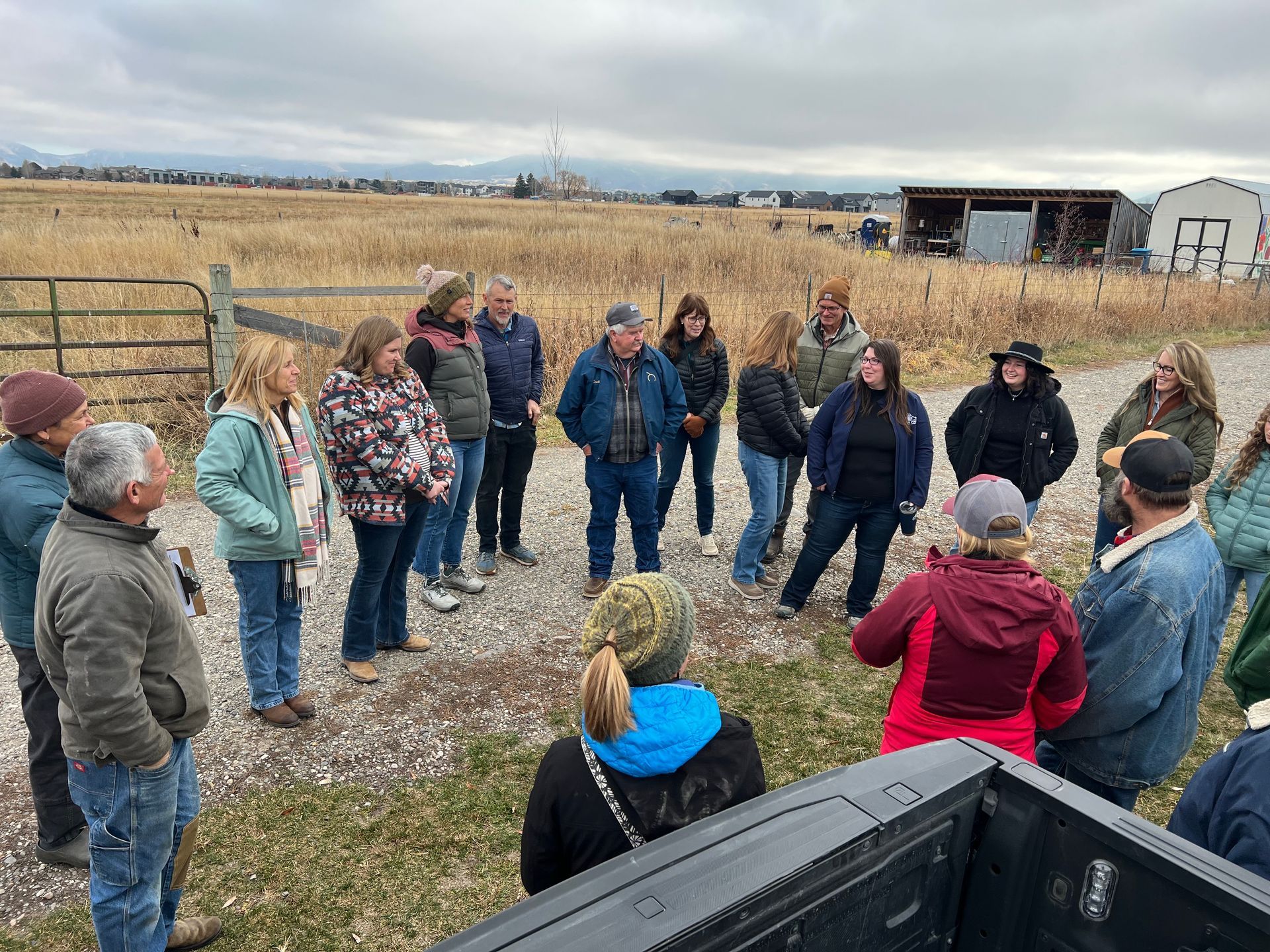
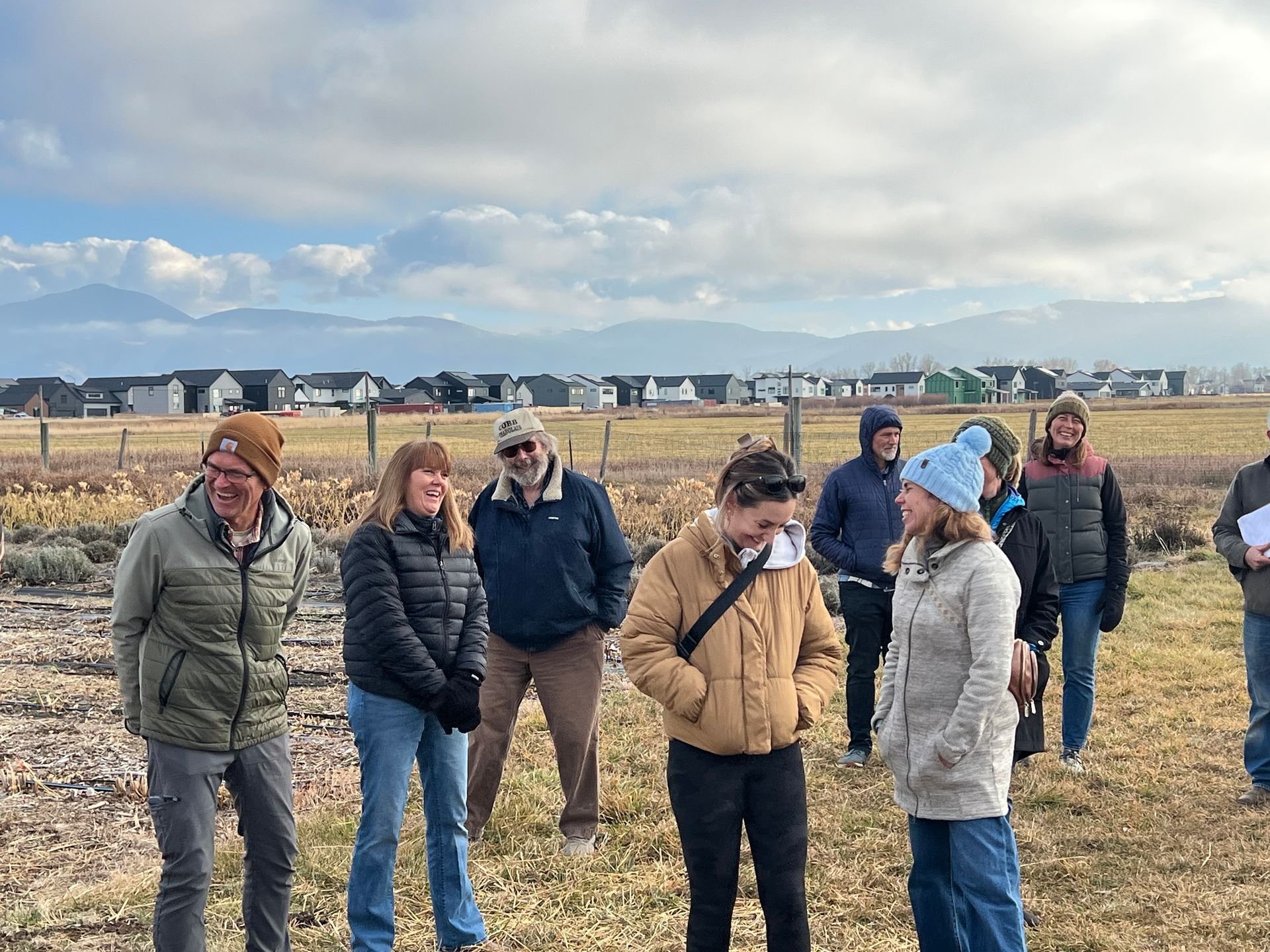
The optional pre-conference farm tour set the tone perfectly. Attendees visited Montana agritourism sites actively welcoming visitors — from hands-on farm experiences to value-added operations to ranches building future-ready programming.


Walking the fields with operators who have “been there, done that” brought the ideas to life. You could see the potential, imagine new visitor experiences, and ask real-time questions that only farmers can answer.


One attendee summed it up perfectly: “It’s one thing to talk about agritourism in a classroom — it’s another to stand on a working farm and watch it in action.”


Education That Met You Where You Are

The conference offered three track options so attendees could build the learning journey that fit their stage of development:


🌱 Planting the Seed

Perfect for those exploring agritourism for the first time — packed with foundational info, startup essentials, and the big “what to expect” conversations that every new operator needs.


🚜 Out in the Field

For those already welcoming visitors. Sessions tackled guest experience, programming, operations, event planning, and practical hosting ideas.


🌾 The Long View

Designed for established operators ready to think bigger: succession planning, pricing strategy, growth, partnerships, sustainability, and the long-term health of the farm.


Across every track, participants heard directly from experts, ranchers, and entrepreneurs who have weathered the dust, the doubts, and the triumphs. These weren’t theoretical presentations — they were real stories, real numbers, and real lessons learned.


Key Takeaways Everyone Was Talking About

★ Agritourism is most successful when it serves both land & community.

Attendees left with new ideas on how to tell their story, protect their land, and strengthen their local and regional economies.


★ The visitor experience is shifting.

Travelers want authenticity, meaningful interaction, fresh-air escapes, and opportunities to connect with people — not just products.


★ Safety & liability aren’t hurdles — they’re foundations.

Operators learned practical steps to build safer, clearer, better-protected experiences from day one.


★ Partnerships are the secret ingredient.

Tourism offices, educators, county agents, and neighboring farms all play a role in successful, sustainable agritourism growth.


Connections That Will Last Long After the Conference

One of the most celebrated parts of the event?  The relationships.


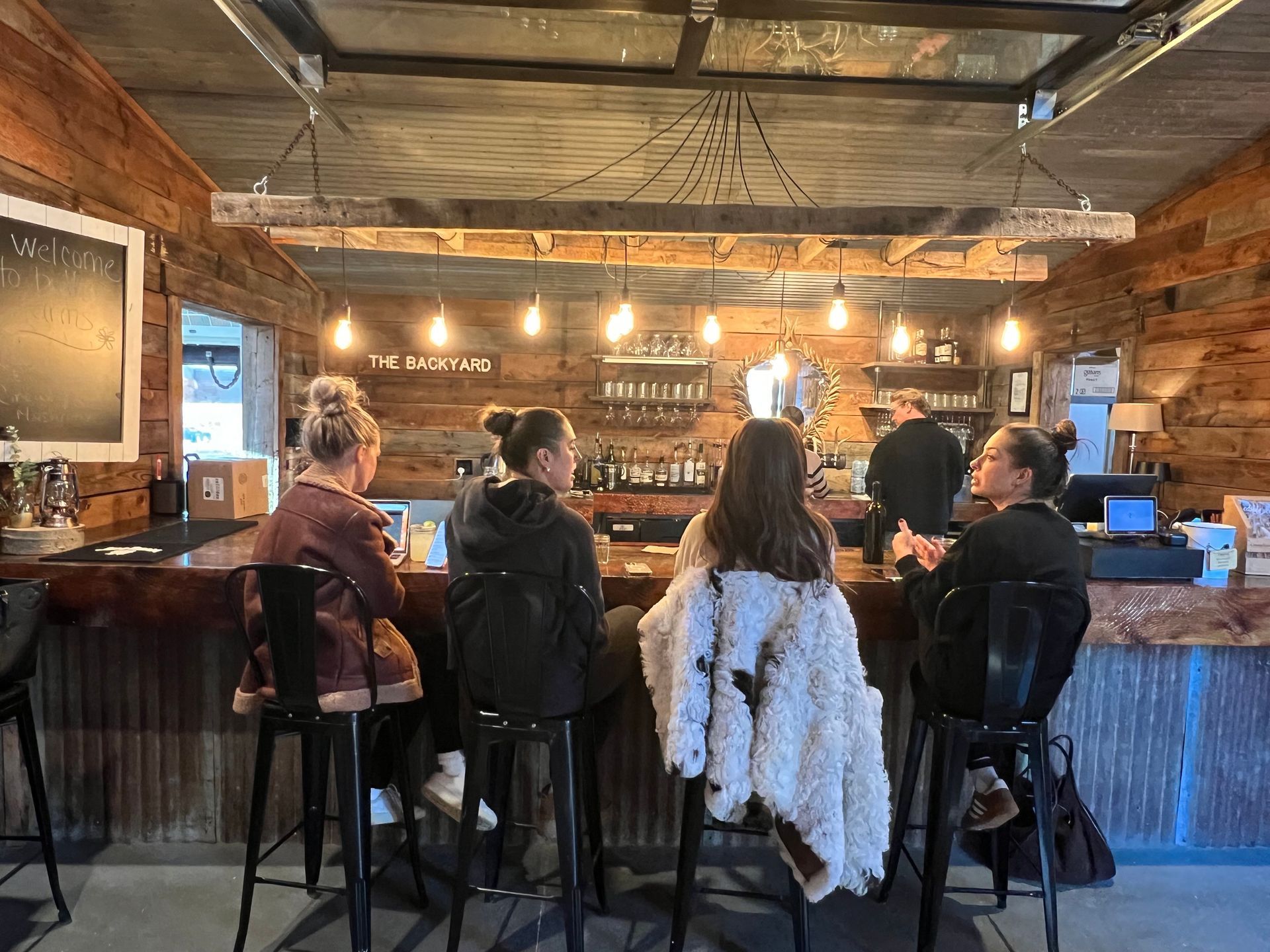
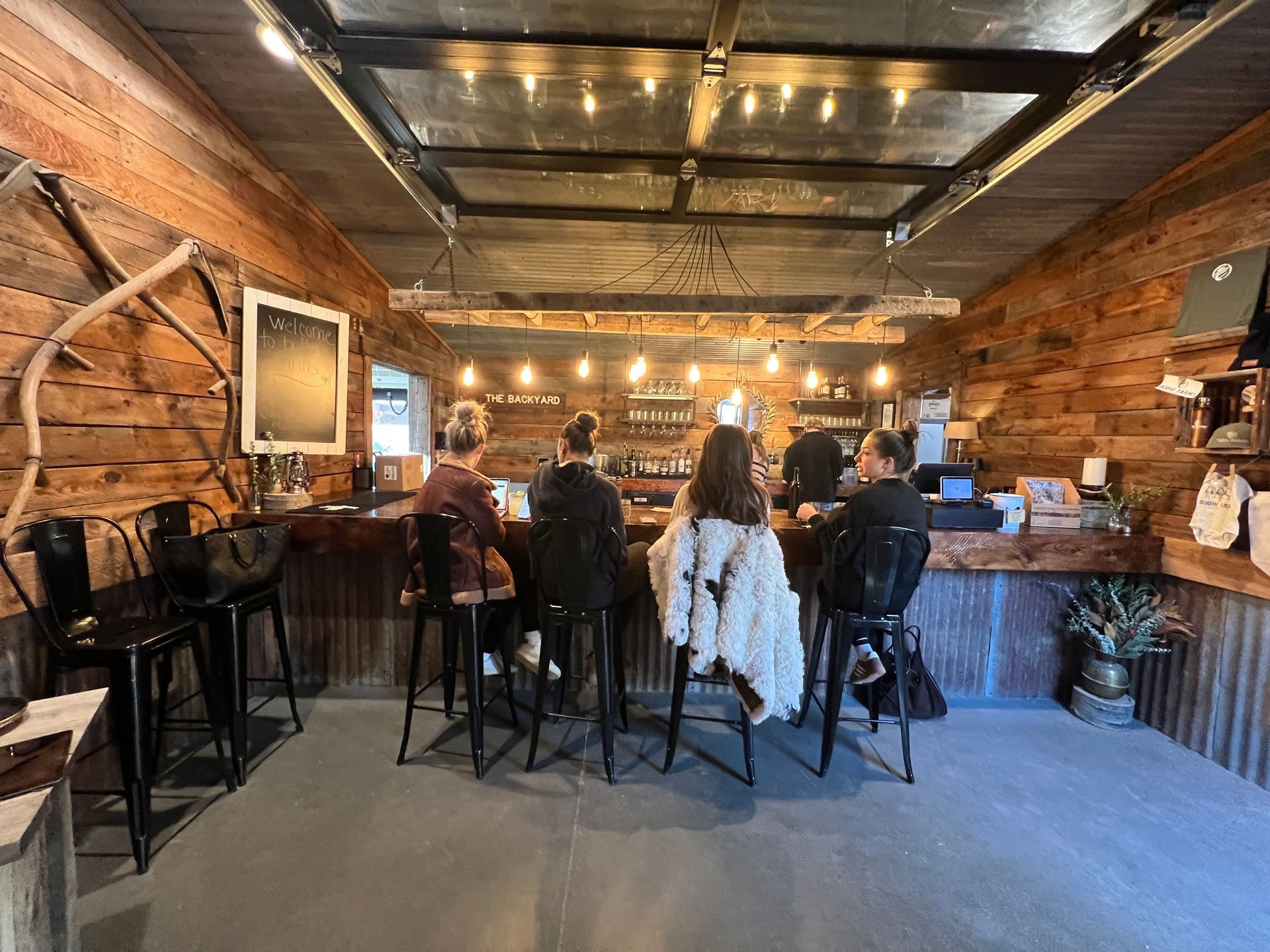
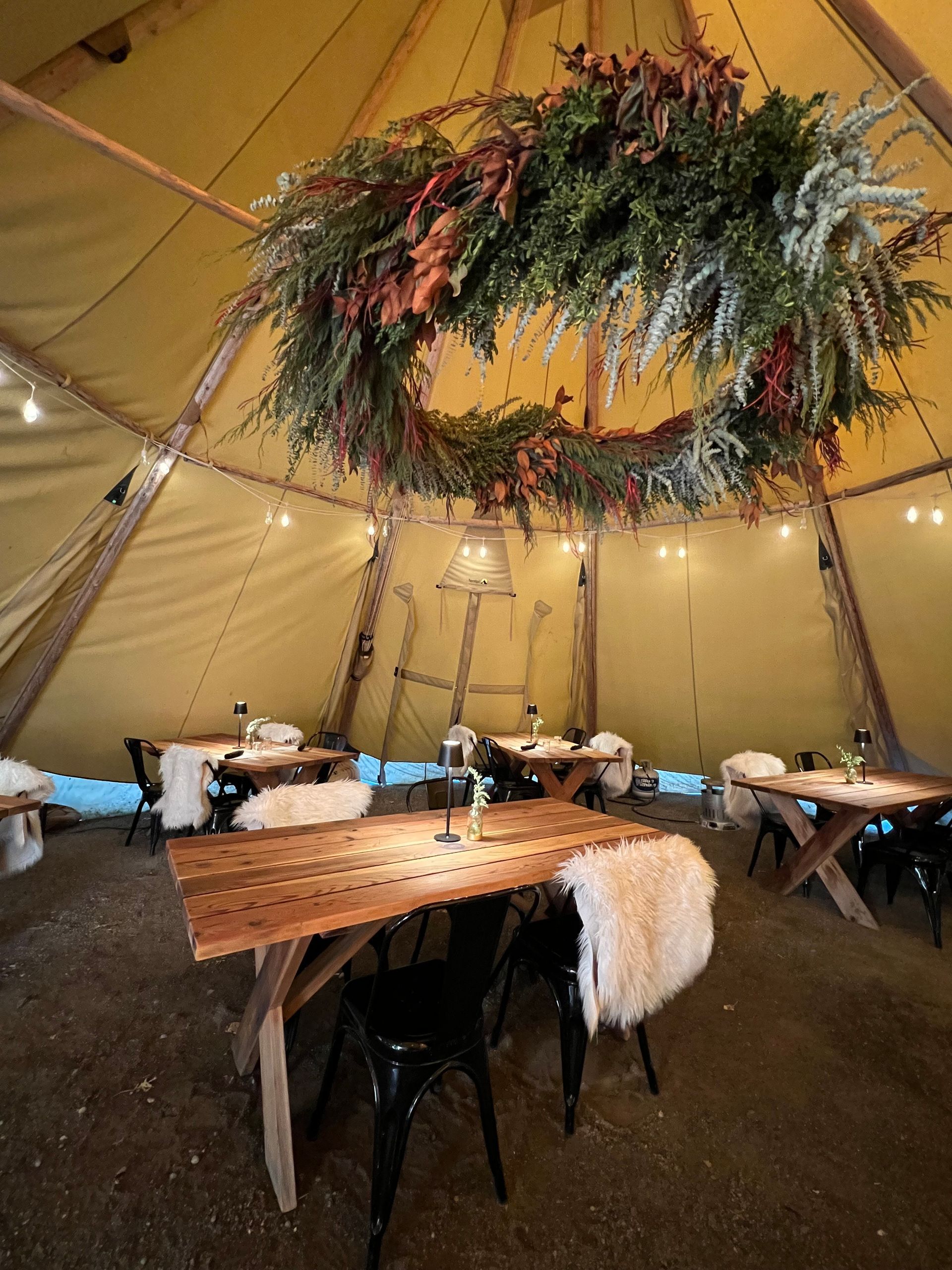
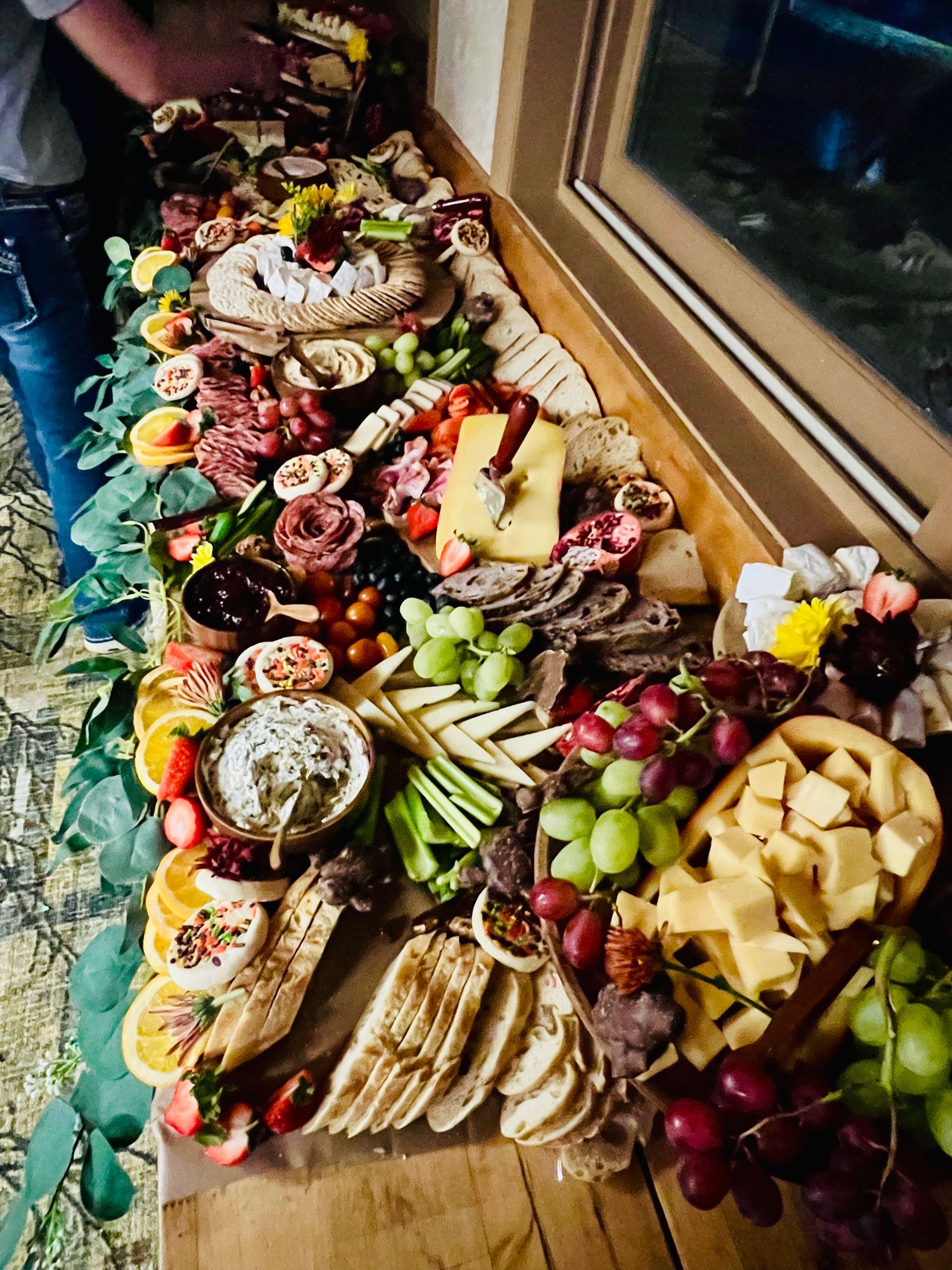
From hallway conversations to the evening social featuring Montana-grown flavors, attendees found themselves surrounded by people who understand the unique challenges — and joys — of operating a visitor-ready farm or ranch. New friendships formed. Business collaborations sparked. And more than one operator walked away with a renewed sense of purpose.


Looking Ahead

If this year’s event proved anything, it’s that agritourism thrives when we learn from each other. And for many attendees, the biggest takeaway was simple:  You don’t have to build this alone. There is a community here — and it’s growing.


Want this experience for yourself, but don't want to wait a year to make it happen?  Register for the upcoming NAFDMA Convention and Expo in Orlando, Florida this coming February.  You'll experience the same things - farm tours, conversations, expert-led sessions, and relationships to sustain you through your busy season.  Join us today! 
  • Slide title

    Write your caption here
    Button
  • Slide title

    Write your caption here
    Button
  • Slide title

    Write your caption here
    Button
  • Slide title

    Write your caption here
    Button
  • Slide title

    Write your caption here
    Button
  • Slide title

    Write your caption here
    Button
  • Slide title

    Write your caption here
    Button
  • Slide title

    Write your caption here
    Button
  • Slide title

    Write your caption here
    Button
  • Slide title

    Write your caption here
    Button
  • Slide title

    Write your caption here
    Button
  • Slide title

    Write your caption here
    Button
  • Slide title

    Write your caption here
    Button
  • Slide title

    Write your caption here
    Button
  • Slide title

    Write your caption here
    Button
  • Slide title

    Write your caption here
    Button
  • Slide title

    Write your caption here
    Button

RECENT ARTICLES

By angie July 2, 2026
Make the Most of the Space You Have Guest written by Randy White Many farms are gearing up for their summer and fall festival seasons. Here are a few layout tips for planning festival grounds. People dislike dead ends because they make guests retrace their steps. Instead, create continuous circulation paths. Here’s a conceptual illustration showing a bad and good circulation pattern.
By angie June 24, 2026
From 50 hens to 4,500 layers, Aaron Brand shares the lessons, challenges, and rewards of building a successful egg enterprise alongside a diversified agritourism farm.
By angie June 24, 2026
There is something powerful about stepping onto another farm and seeing agritourism through a fresh set of eyes. New layouts, new revenue streams, new guest experiences, new food ideas, and new conversations all have a way of sending attendees home with notebooks full of possibilities. That is exactly what happened when NAFDMA members and friends gathered for the 2026 Agritourism Farm Tour, June 16–17. Over two full days, attendees explored a diverse lineup of farms and destinations across Virginia and Maryland, each offering a unique look at how agriculture, retail, events, hospitality, and seasonal experiences can come together to create memorable guest experiences. A Tour Rooted in Learning, Connection & Big Ideas The Agritourism Farm Tour is designed to get operators out from behind their own gates and onto farms where learning happens in real time. From fall festival operations and pick-your-own crops to farm markets, food service, event venues, garden centers, and beverage experiences, this tour offered a wide range of ideas for attendees to take home, adapt, and make their own. And of course, some of the best learning happened between stops — on the bus, over meals, during tours, and in the conversations shared between agritourism professionals who understand the joy, pressure, creativity, and heart behind this industry. Day by Day: Inspiration Across Virginia & Maryland Day One — Big Fall Energy, Farm History & Market Experiences The first day began at Cox Farms , a second-generation family business known for creating one of the largest fall events in the Mid-Atlantic region. Attendees had the opportunity to learn from an operation that builds much of its own guest experience, manages major seasonal staffing demands, and continues to grow its fall festival and haunted attraction offerings year after year. From food made on site to large-scale attractions and highly intentional seasonal planning, Cox Farms offered a powerful look at what it takes to build a destination that guests return to again and again. From there, the tour traveled to Belvedere Plantation , a working production farm with a deep history along the Rappahannock River. Attendees learned about the farm’s evolution from pick-your-own strawberries and pumpkins into a fall festival destination featuring the Great Pumpkin Patch, Great Adventure Maize Maze, food venues, and more than 25 attractions. Even though the farm was not open for its fall season during the visit, the stop provided valuable behind-the-scenes insight into seasonal operations, layout, and long-term direct marketing growth. The afternoon continued at Old House Vineyards , a family-owned agritourism destination in Virginia wine country. Set on 165 acres of working farmland, Old House Vineyards showcased how a farm can create gathering spaces around wine, beer, spirits, tours, tastings, weddings, and private events. It was a beautiful reminder that agritourism can be about slowing down, creating atmosphere, and giving guests a reason to stay, celebrate, and return. The day wrapped up at Messick’s Farm Market , a third-generation family farm with roots dating back to the 1920s. Attendees explored how the Messick family blends traditional agriculture, dairy, crop production, a farm market, pick-your-own crops, local products, prepared foods, outdoor play areas, and seasonal festivals. With fresh produce, deli offerings, ice cream, children’s attractions, and hands-on farm experiences, Messick’s highlighted the power of creating a true community gathering place. Day Two — Legacy Farms, Garden Retail & Seasonal Expansion The second day began at Butler’s Orchard , a family-owned Maryland farm that has grown from 25 acres of peaches and a small farm market under an apple tree into more than 300 acres of fruits, vegetables, flowers, trees, pick-your-own crops, seasonal events, and a vibrant farm market. The Butler story offered attendees a meaningful look at legacy, customer service, family involvement, and the way a farm can grow while still honoring its roots. Next, the tour visited Homestead Gardens , the largest enclosed garden center in the Baltimore–Washington, D.C. area. This stop highlighted the many ways retail, education, community outreach, events, environmental advocacy, and hospitality can work together. From the Beer Farm collaboration and event spaces to kids’ programming, signature events, fundraising, and sustainability efforts, Homestead Gardens offered creative inspiration for farms looking to expand their impact beyond traditional retail. The tour concluded at Montpelier Farms , a fall festival destination preparing for its 19th season. With more than 30 fall attractions, a 7-acre corn maze, farm animals, food service, a café, a market and donut operation in a historic tobacco barn, events, private campfires, and a growing tulip experience, Montpelier Farms showcased the importance of season extension and creative use of farm assets. Their fall festival, nighttime offerings, tulip planting, food options, and event spaces gave attendees plenty to think about as they headed home. Why This Tour Mattered This was more than a list of farm stops. It was a collection of real-world lessons that agritourism operators can carry back to their own businesses: Guest experience is built with intention. From arrival flow and food placement to photo ops, play areas, markets, and gathering spaces, every detail matters. Seasonal businesses require year-round thinking. Many of the farms on the tour showed how planning, building, staffing, and improving never really stop. Food and retail continue to be powerful profit centers. Farm markets, cafés, donuts, beverages, prepared foods, and local products all played a key role in the guest experience. Legacy and innovation can grow side by side. These farms honored family history while continuing to evolve for today’s guests. Connection is one of NAFDMA’s greatest strengths. The conversations, questions, and shared experiences between attendees are what make these tours so valuable. What’s Next? Whether you joined us on the tour or followed along from home, we hope this recap gives you fresh ideas and encouragement for your own farm, market, or agritourism destination. NAFDMA events are created to bring operators together for education, inspiration, and connection — because when we learn from one another, our farms, families, teams, and communities grow stronger. Keep an eye on upcoming NAFDMA opportunities, including future tours, learning events, and the Agritourism Convention & Expo. Your next great idea may be waiting at the next stop. Thank You A heartfelt thank you to each farm that opened its gates, shared its story, and gave attendees a behind-the-scenes look at the creativity and hard work behind their operations. Thank you to everyone who attended, asked questions, shared ideas, and made the 2026 Agritourism Farm Tour such a meaningful experience. And thank you to our 2026 Farm Tour sponsors for helping make this event possible. Together, these shared experiences continue to strengthen the agritourism industry — one farm, one conversation, and one new idea at a time.