The Trust Age: It’s Time to Get Real
In 2008, I wrote that the Information Era was coming to an end as a point of difference. At the time, that probably sounded like a bold statement.
We had watched the rapid rise of personal computers, mobile phones, Google, YouTube, Facebook and an internet that suddenly placed an extraordinary amount of information at our fingertips.
By 2009, information itself was becoming increasingly easy to access. My argument then was simple: if everyone can access information, information alone can no longer be your point of difference.
Your point of difference becomes trust. Nearly twenty years later, that idea is even more important.
We Have Moved Beyond Information Overload
In 2026 we don't have a shortage of information. We have too much of it.
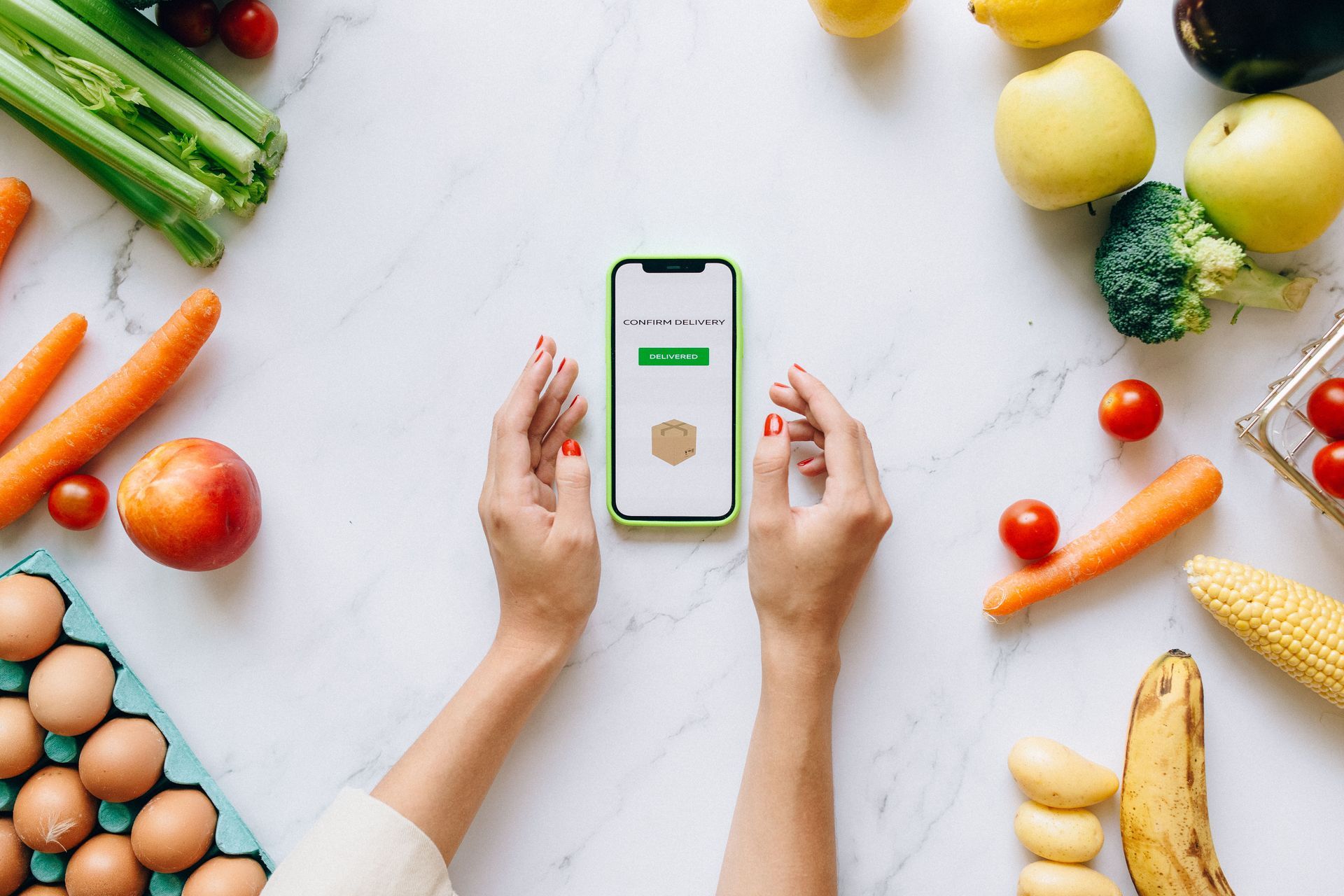
Our customers can search for a farm, attraction, restaurant, product or experience within seconds. They can read reviews, watch videos, compare prices, look at photographs, ask artificial intelligence for recommendations and see what strangers on social media think before they ever arrive at our front gate.
But there is another challenge. People are increasingly questioning whether what they see is actually real. Photographs can and are enhanced. Reviews can and are manipulated. Content can be generated by AI. Businesses can create polished marketing campaigns that look impressive but don't necessarily reflect the experience customers receive when they arrive.
We have entered an era where information is everywhere, but trusted information is increasingly rare and valuable. For agritourism, that creates an enormous opportunity.
Agritourism Has Something People Are Looking For: Authenticity
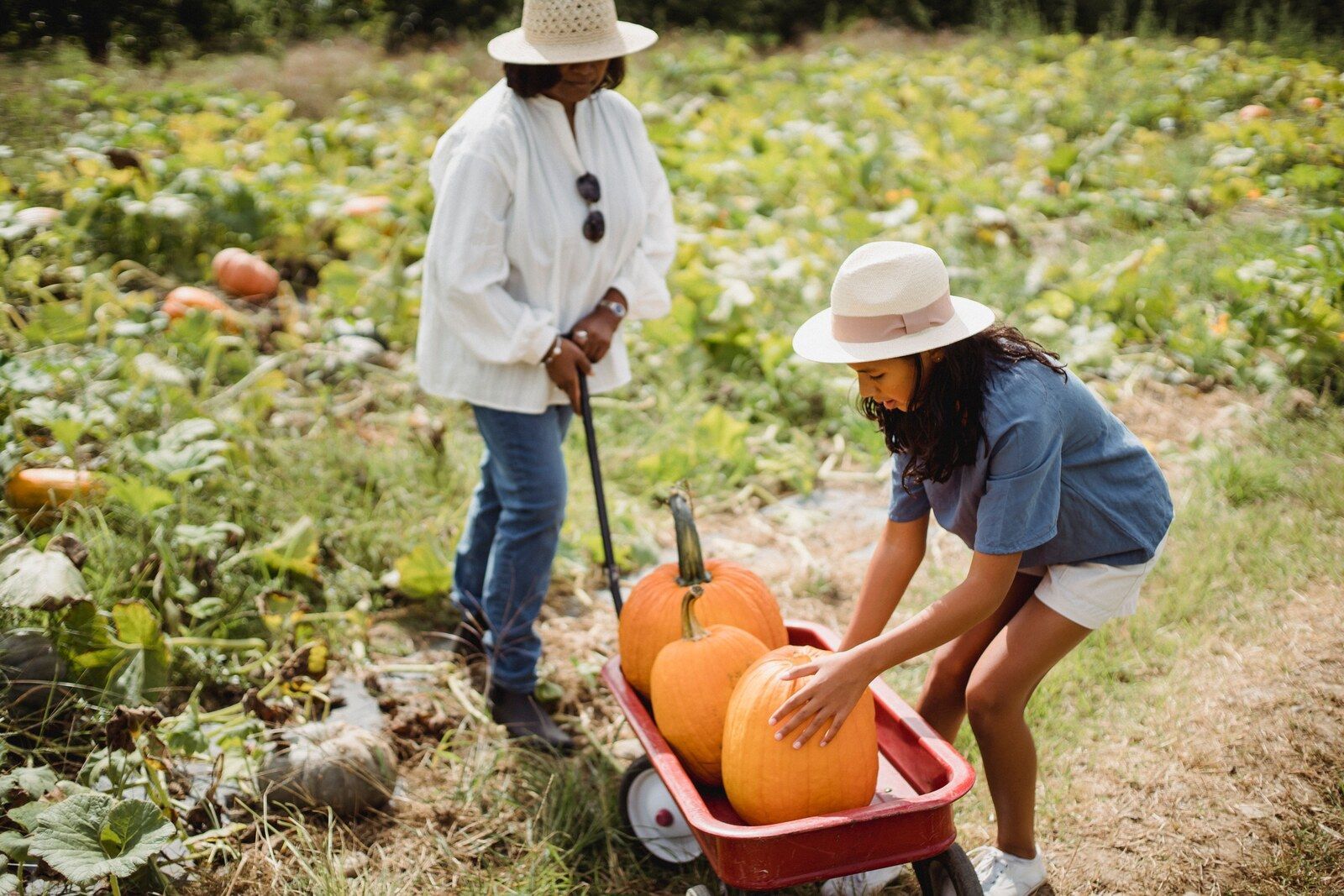
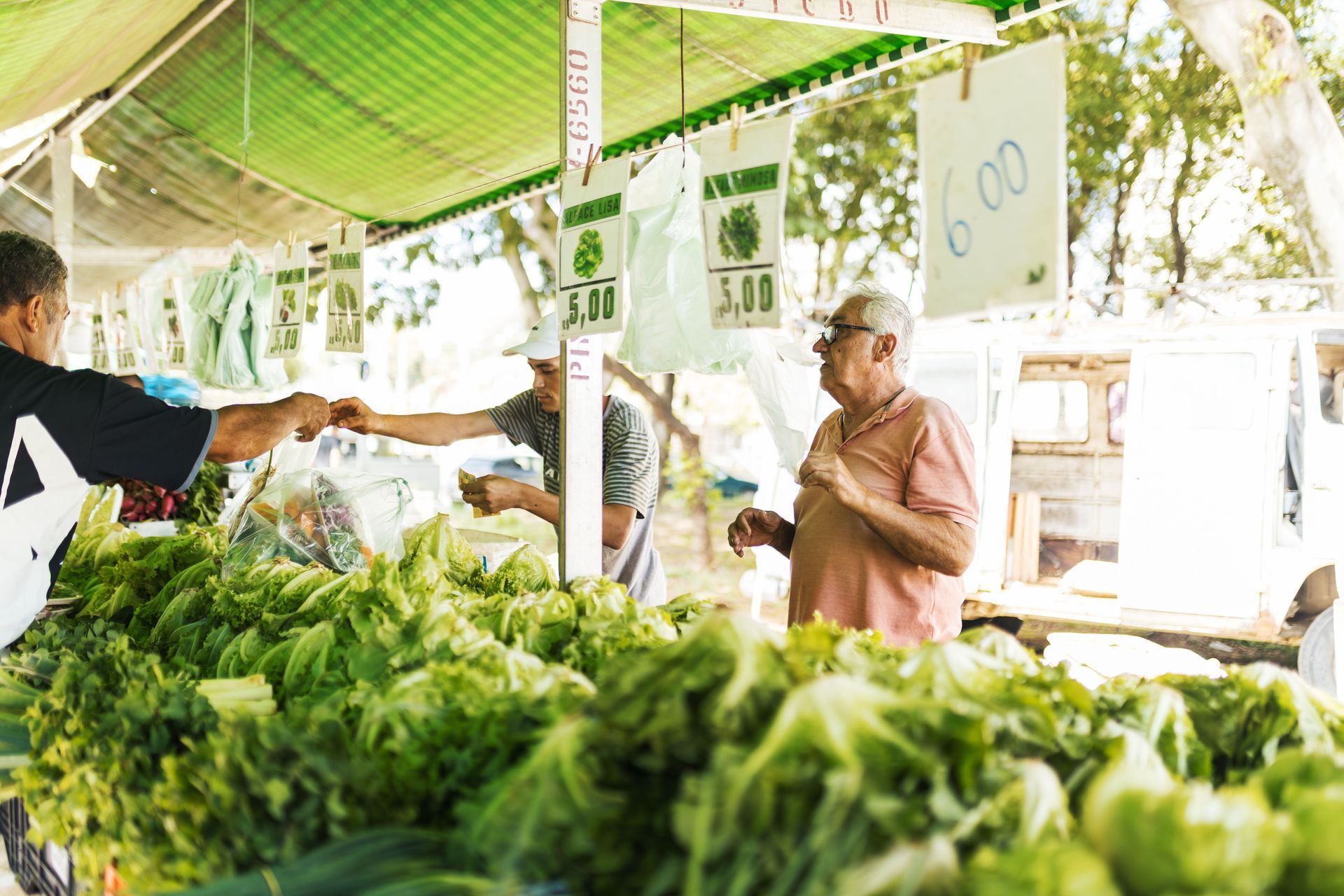
One of the great advantages of agritourism is its authenticity.
- There is a real farmer.
- A real farm.
- Real soil.
- Real animals.
- Real crops.
- Real food.
- And, most importantly, real people with a story to tell.
As our lives become increasingly digital, automated and artificial, these genuine human experiences become more valuable. But simply being authentic isn't enough. We also need to demonstrate that authenticity and build trust around it. A customer needs to feel confident that the experience they see online will be the experience they receive when they arrive.
If your website says you are open, be open. If your photographs show overflowing produce displays, make sure customers don't arrive to empty shelves. If you promote an opportunity to meet the farmer, make sure someone is available to tell the story. If you talk about local produce, explain what "local" actually means. If something changes because of weather, crop availability, staffing or circumstances beyond your control, communicate it honestly. Trust is built when what we promise and what we deliver are the same thing.
Your People Are Part of Your Trust Strategy
Trust isn't created by a marketing department. It is created throughout the entire customer journey. It might begin with a social media post or Google search, but it continues with the booking process, signage, car park, toilets, farm shop, staff, food, activities and conversations.
Every interaction either builds trust or weakens it, and sometimes the smallest interactions matter most. A staff member saying: "I'm not sure, but I'll find out for you." can build more trust than somebody confidently giving the wrong answer.
Customers don't expect businesses to be perfect. They do expect businesses to be honest.
The Value Equation Has Changed Too
In 2008 I also wrote about the importance of value, especially during challenging economic conditions. That lesson is just as relevant today. Businesses often think value means price. It doesn't. Customers judge value based on the complete experience. Price is part of it, but so are quality, service, range, atmosphere, convenience, cleanliness, education, entertainment, connection and the feeling customers take home with them.
In agritourism, value can also come from something that is difficult to put a price on.
- A child picking their first strawberry.
- A family meeting the person who grew their food.
- Learning how cheese, cider or maple syrup is made.
- Sitting together around a fire.
- Walking through an orchard.
- Hearing the history of a farm that has been in the same family for generations.
Those experiences create value and when economic conditions become tighter, customers don't necessarily stop spending. They become more selective about where they spend and whether the experience is worth it. That makes trust and value closely connected.
If customers trust your business, understand what you offer and believe the experience will be worthwhile, they are far more comfortable making the decision to visit and spend.
The New Trust Test
Take a fresh look at your business from your customer's perspective.
Ask yourself:
- Does our marketing accurately represent what customers will experience?
- Are our prices, opening hours and booking information clear and current?
- Do customers understand where our products come from?
- Do our team members know our story and how to tell it?
- Do we explain honestly when something isn't grown or produced by us?
- Are we delivering the level of service our marketing promises?
- Does our online reputation match the experience we believe we provide?
- Are we making it easy for customers to trust us?
Most importantly, ask:
If I knew nothing about this business, what would make me believe them?
Trust May Be Our Greatest Competitive Advantage
Technology will continue to change.
Artificial intelligence will become more sophisticated.
Marketing will become more automated.
Customers will have access to even more information, comparisons and recommendations.
But that doesn't reduce the importance of human connection. It increases it.
Agritourism businesses have an opportunity few other industries possess.
- We can introduce customers to the people behind their food.
- We can show them where things come from.
- We can allow them to experience something rather than simply read about it.
- We can tell genuine stories.
- We can create memories.
- And we can build relationships.
Almost twenty years ago, I suggested that we were entering the Trust Age. Today, I would go one step further. In a world where almost anyone can create information, images, content and claims at the touch of a button, trust may become one of the most valuable things your business owns.
Protect it.
Build it.
And make it part of your point of difference.
For more ideas to build and grow your agritourism destination, join the Agritourism Training Academy. There you will find short few minute lessons on various aspects of agritourism and building your agritourism business, with over 300 videos available, you can work on one focus point at a time… in your own time. Visit
www.agritourismtrainingacademy.com and get instant access to our Complete Agritourism Training Programme.
RECENT ARTICLES