What a Gas Station Can Teach Us About Saving the Family Farm

An iced tea obsession, a company that almost went under, and a comeback every farm can borrow from.
If your farm has ever teetered on the edge, you're in better company than you think — one of America's most beloved businesses spent its first four years just trying to survive.


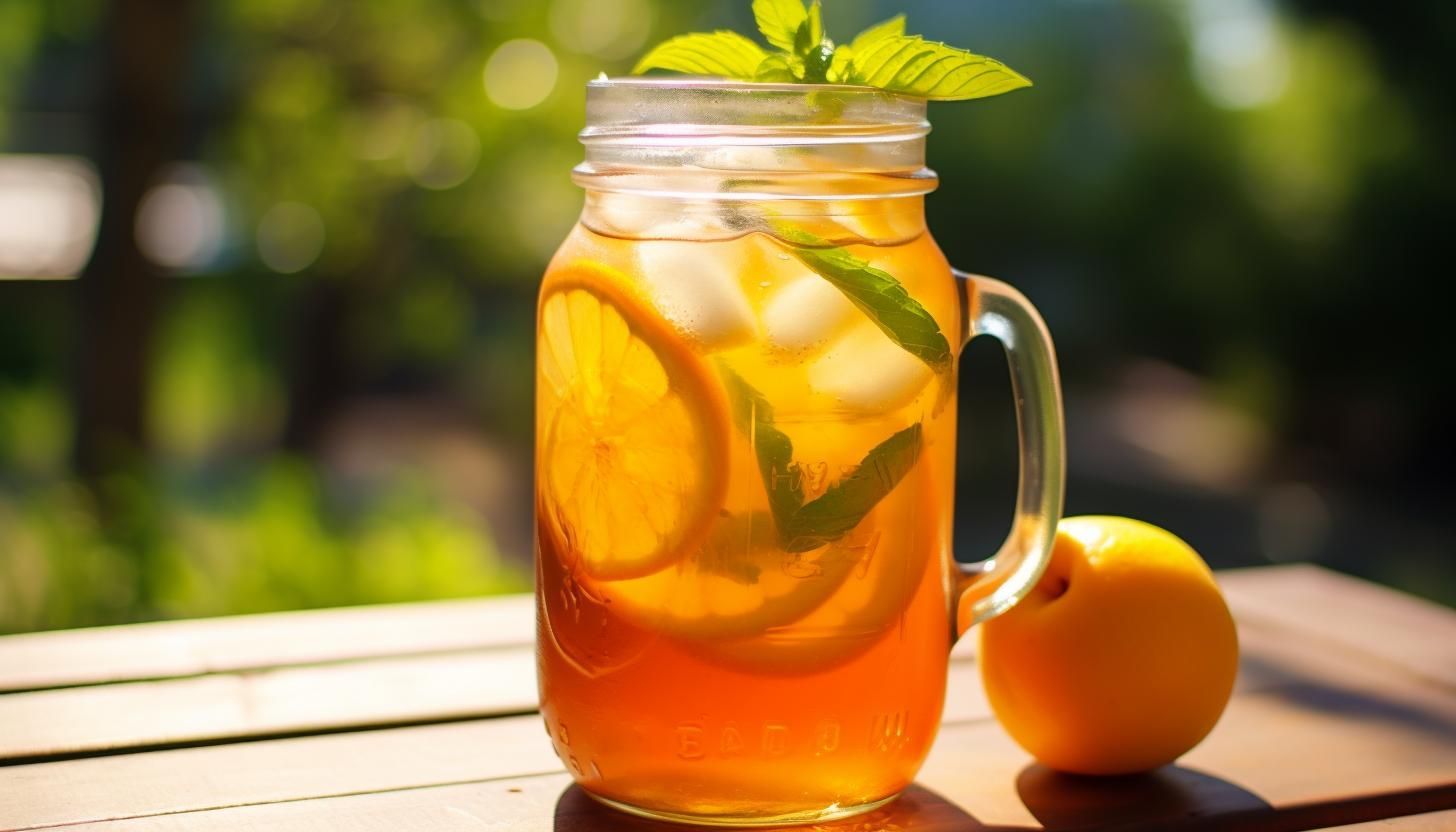
But before I get to them, a confession: I love iced tea. LOVE it!

Borderline addiction. "Have tea, will travel" is my motto. And there's a difference between thermos tea and tea that's freshly brewed, on timers, all hours of the day, just waiting for you.


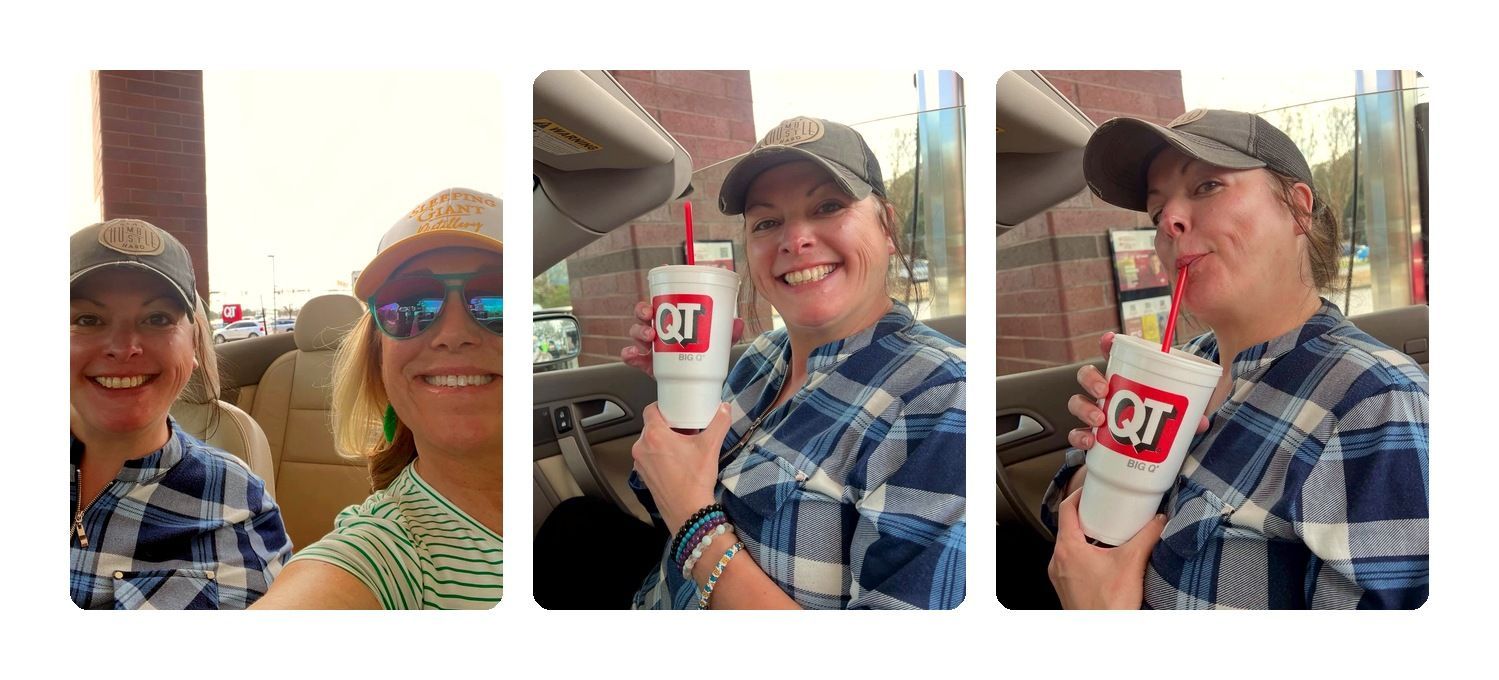
Let's set the stage: here I was, five days into a visit with my best friend, Iva, at her farm in South Carolina, with no QuikTrip in sight. I have been to her farm too many times to count, and never — I repeat, NEVER — have I seen one of my beloved QuikTrips.

When what to my wondering eyes should appear but the glow of that red sign in the distance. I nearly leapt out of the convertible before Iva could get Astrid (yes, the car has a name) slowed down.

Five days without fresh QT iced tea was four too many. I pushed through those doors as a woman on a mission!


A QT find in South Carolina — spotted it, stopped, and celebrated with a Big Q! Ahh, that first sip is divine!


Here's the thing: I've been a loyal fan for years, and until recently I never knew the first thing about the QuikTrip story.

All I knew was the iced tea — which, for the record, is the best in the business. I said what I said!


Then I learned how it all started. QuikTrip, why do you have to make me love you even more? Now's the time to cue all things QuikTrip in my life...merch, drinks, snacks... they even just recently added mozzarella sticks and fried apple pies, but I digress!


Back to the point...which I researched while drinking QuikTrip tea!!


The story I never knew

In 1958, two friends in Tulsa, Chester Cadieux and Burt Holmes, each put $5,000 into a small "drive-in grocery" store. The first location struggled so badly that Cadieux later described the early years as having a "leaking boat." They did, in his words, "everything wrong" — wrong products, wrong prices, wrong layout. It took QuikTrip nearly four years to reach a positive net worth. By the end of that 1961–62 fiscal year, they had eight stores and just over $1 million in total sales (QuikTrip Timeline, https://www.quiktrip.com/timeline/).


Today, QuikTrip operates more than 1,100 stores across 21 states, generates over $19 billion in annual revenue, and employs around 31,000 people (Forbes, https://www.forbes.com/companies/quiktrip/; CSP Daily News, https://www.cspdailynews.com/top-202-convenience-stores-2025/quiktrip-corp).


Not bad for a company that once had a negative net worth of $26,000 and founders who joked that if you're going to go bankrupt, you might as well go big (Convenience Store News, https://csnews.com/everything-changes).


So, what changed?

Not luck — strategy.

And every move they made is one that we can borrow.


They listened to what customers were already telling them

QuikTrip didn't invent the sandwich.

Customers were buying bread, meat, cheese and mayo and assembling lunch right in the store.

Once the founders paid attention, they stopped guessing and started stocking what people actually wanted (QuikTrip on X, https://x.com/QuikTrip/status/1578160470158090240).


Farm translation: your visitors are already telling you what they want. If families linger by the animals, take photos at the sunflowers, and ask where they can buy your jam, that's your business plan talking. The pick-your-own patch, the photo op, the homemade baked goods — the answers are usually standing in your driveway.


They cut what wasn't working and doubled down on what was

Early QuikTrip carried canned vegetables and low-volume items.

The turnaround came when they stripped the shelves down to high-volume products people came back for, cut prices, and became relentless about it (Course Hero case study, https://www.coursehero.com/file/11355619/QuikTripcase/).


Farm translation: this is the hardest one. Every one of us keeps a product, an attraction, or an event out of tradition or guilt. Look at your numbers honestly. If the corn maze out-earns the pumpkin patch five to one, give the maze the marketing budget and the parking. Kill your darlings before they kill your margins.


They invested ahead of the curve — and took the loss

In the 2000s, QuikTrip bet big on fresh food, building central kitchens that lost millions a year in their early days. It was a painful, patient investment that eventually made QT Kitchens the growth engine of the whole company (CSP Daily News, https://www.cspdailynews.com/company-news/2019-retail-leader-year-chet-cadieux-undercover-boss).


That iced tea I nearly broke a land-speed record for? It exists because someone was willing to lose money for years first.


Farm translation: the farm kitchen, the event barn, the new restroom block — big investments hurt before they pay. Farms that added food service, weddings, or school tours before the trend peaked are the ones booking out seasons now. The loss you take in year one is tuition for the market you'll own in year five.


They treated people as the product

QuikTrip's secret weapon has never really been gasoline.

It's clean stores, fast service, and employees who stick around — the company promotes from within and has landed on Fortune's Best Companies to Work For list for over a decade (Convenience Store News, https://csnews.com/quiktrip-earns-13th-year-best-companies-work-list).


Farm translation: your seasonal crew and market staff are the face of your farm.

A visitor who feels welcomed by someone who genuinely loves the place becomes a repeat customer — and brings a carload of friends.


Your farm has an advantage QuikTrip never had

QuikTrip had to manufacture a reason for people to care about a convenience store.

You already have one. Your land, your family's story, the food you grow — that's a connection no chain can copy.

The farms in our NAFDMA community that almost went under and then changed the game by opening creameries, building mazes, hosting dinners in the field — are proof that the pivot works in our industry every single day.


And here's my big takeaway from falling down the QuikTrip rabbit hole: I got that excited about a company whose success I knew and whose story I didn't. Imagine if your favorite customer knew YOUR story — the flood, the failed crop, the year you almost sold the place — instead of just knowing your success. Struggles don't scare loyal customers away. They're the reason people stick around. Tell your story. All of it!


The next time a season goes sideways, remember the two guys in Tulsa with a leaking boat. They didn't quit. They listened, they trimmed, they invested, and they built something that now feels like it was always inevitable.


Your farm's version of that story might just be getting started.
RECENT ARTICLES
By angie • October 26, 2026
Agritourism insurance is not farm insurance—and it’s not standard general liability. It’s a very specific space that blends both, covering everything from wagon rides and mega slides to safaris and seasonal attractions. Safety Compliance Is Not Optional Tip: Safety compliance is not optional—and it’s not something you set and forget. ASTM standards, ride inspections, signage, staff training…these things matter. Not just for checking a box, but because they directly impact claims, defensibility, and your livelihood. The operators who are intentional about safety—and can show it—are the ones who put themselves in the best position when something goes wrong. A Different Approach to Agritourism In this short video, I share how we approach agritourism differently. We don’t just look at policies—we get involved in how you are operating, how your attractions are set up, and how you are protecting your guests. Because at the end of the day, this isn’t just about insurance—it’s about your business, your people, and the experience you’re creating. 👉 Watch the video At Risk Services – Leavitt Insurance Agencies, we’re proud to serve this industry and the operators who care deeply about doing things the right way—and we’re here to be a long-term partner as your operation grows, evolves, and continues to raise the bar. 👉 Connect with Kim Ayers
By Angie Day • October 24, 2026
The younger kids are excited about the animals. The parents want pumpkins and a family photo. And the teenager has one question: “Can I bring a friend?” That question is worth paying attention to. We want the whole family to enjoy a day at the farm, including the teens who may need a little more convincing to get in the car. Giving them something to look forward to can help turn a family outing into a plan they are excited about, too. And no, that does not automatically mean you need a giant new attraction or the scariest haunt around. You may already have some of the pieces. Sometimes, it just takes putting them together a little differently. Pinehaven Farm offers some inspiration, with daytime activities, the non-scary Great Pumpkin Trail, and The Dead End Hayride giving guests different ways to enjoy a visit. So, what could this look like at your farm? Give Familiar Activities a Fresh Invitation Take a look around your farm. Which activities could become a friendly competition? Where could a group tackle a challenge together? What might make someone pull out their phone and say, “We need a picture here”? Pinehaven’s daytime attractions include farm-themed basketball, tug-of-war, ladder ball, an adventure course, and photo settings featuring restored tractors and a whimsical pumpkin wagon. Think about how friends might enjoy those kinds of activities together. At your farm, you could create a challenge card connecting a few existing games, a timed team course, or a photo scavenger hunt featuring places that make your farm special. Then give people a specific invitation. “Activities for all ages” is helpful, but “Bring your friends and see who can win the farm challenge” gives a teen something to picture—and something to send to the group chat. Keep it easy to join in without making participation feel required. Some teens will be ready to compete. Others will be happier taking pictures or cheering on their friends. There is room for both. Remember: After Dark Does Not Have to Mean Scary Some teens love a good scare. Others would happily skip that part. An evening at the farm can still feel special without anyone jumping out of the corn. Lights, seasonal displays, favorite snacks, and time with friends can give guests a different way to enjoy your space. Pinehaven’s Great Pumpkin Trail offers a non-scary experience with illuminated jack-o’-lanterns and oversized photo opportunities. It welcomes a broad audience, but there is a useful reminder here for anyone thinking about older kids: Family-friendly does not have to mean designed only for little children. Your version could start with a short illuminated walk, a few creative photo stops, or an evening scavenger hunt that ends with something good to eat. Before you get too far into planning, ask a few local teens: “Would you come to this? Would you invite your friends? What would make it better?” They may have an idea you have not considered. They may also save you from spending money on something that sounded much better in the planning meeting! For the Ones Who Love a Scare Of course, some guests are looking for that heart-racing, hold-onto-your-friends kind of night. Pinehaven is also home to The Dead End Hayride , which combines a haunted hayride, walkthrough, and cornfield experience. Having both a frightening attraction and a non-scary evening option shows how different the reasons for visiting can be—even among teens. Whatever you offer, make it easy for families to know which experience is right for their crew. How scary is it? What is the age guidance? Are adults required to stay? What does the ticket include? Does another activity require separate admission? Answering those questions up front helps parents plan and gives teens the details they need when they ask, “Can we go?” Give Them Somewhere to Stay Awhile Think about what happens between activities, too. Once the main attraction is over, is there a place to grab a snack and sit together? Something else to explore? A reason to stay a little longer? The Dead End Hayride describes food and beverage buildings, photo opportunities, live entertainment, and a midway as part of creating a full night out . For your farm, the next step might be much simpler: a welcoming seating area near concessions, a few games, or a photo spot that looks especially good after dark. As you look at your space, ask: What can they do together? A challenge, an attraction, or something to discover gives the visit a purpose. Where can they hang out? Give friends a comfortable place to sit, snack, and enjoy being together. What will they remember? Think about the moments that make your farm special and give guests something to talk about afterward. What do families need to know? Make arrival, pickup, supervision, and conduct expectations easy to find. You may find that a few thoughtful changes help guests enjoy more of what you already have. Start With One Idea—and Ask Them Back You do not have to figure all of this out at once. Choose one idea that fits your farm, your staff, and your budget. Let teens help you shape it, then work through the details needed to make it run well, including lighting, accessibility, weather plans, and supervision. Afterward, ask how it went. What was fun? What was missing? What would make them come back? We spend a lot of time thinking about what brings families to the farm. It is worth asking what makes the teenager in that family excited to come, too. Start with something that makes them ask, “Can I bring a friend?” Then give those friends a reason to come back.
By John Stanley • October 12, 2026
Of course, visitors know you’re the local farmer growing their food for them and providing agritourism experiences. If you believe that, you’re probably fooling yourself. At Chestnut Brae, visitors are surrounded by over 1000 chestnut trees, but we are often asked where we source our chestnuts. In fact, most locals can name the local school teacher and doctor, but not a local farmer. We need to do a better job of promoting that we are local in order to gain customer trust. When I (John), was in Hong Kong in June this year, the China News newspaper was promoting that municipalities that month were promoting “local” markets around the country. To have a stall at the market, the stall holder had to have made or grown the product in the municipality. You may argue that farmers markets do this in many countries, but some markets can be questionable and tarnish the image for all. The UK this month has a promotion, “Meet a farmer for a day,” where the public are invited onto participating farms to learn how a farm works. In the Agritourism Training Academy, there are a number of lessons focused on how to increase your “local” marketing potential and increase your revenue as a result. Promoting being local is now big business and restaurants, cafes, grocery stores, and trades people are joining the bandwagon. It is getting to be a crowded “local” marketplace and your business needs to stand out. To discuss your training needs contact Lara by scanning the QR code to organize a chat. Connect with Agritourism Training Academy