Why Agritourism, and Why NAFDMA?

Why Agritourism, and Why NAFDMA?
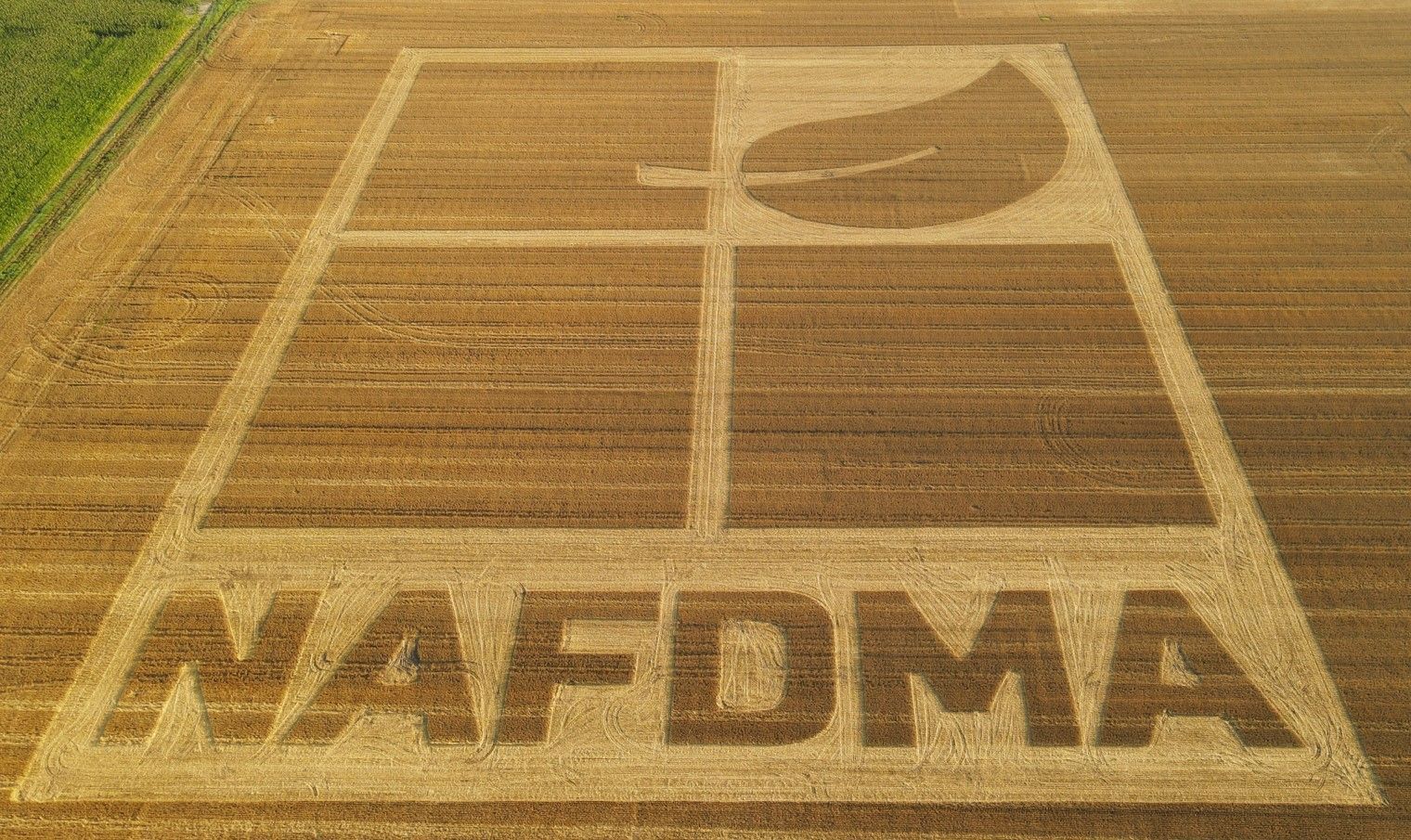

In a time when technology often creates more distance than connection, agritourism stands out as a powerful bridge between people and the land. Across the globe, farms are opening their gates — not just to sell produce, but to invite visitors into authentic, immersive agricultural experiences. Whether it's picking pumpkins, navigating corn mazes, tasting fresh cider, or feeding goats, agritourism creates lasting memories rooted in education, community, and fun.


But for those behind the scenes — the farmers, organizers, and dreamers — agritourism is more than just hayrides and festivals. It’s a complex, evolving business that demands creativity, resilience, and collaboration. That’s where NAFDMA comes in.


The Power of Agritourism

Agritourism is one of the fastest-growing segments of both agriculture and tourism. It’s revitalizing rural economies, preserving farmland, and allowing families to keep their farms operational for future generations. But beyond the business benefits, agritourism plays a vital role in reconnecting people with agriculture. Guests learn where their food comes from, why land stewardship matters, and how farmers are essential to everyday life.


It’s not just about seasonal profit — it’s about purpose.


Farm owners are transforming their properties into multi-faceted experiences: hosting farm-to-table dinners, offering school field trips, creating wedding venues, and selling value-added products. Every event, every visit, builds deeper community ties and contributes to sustainable growth.


Why NAFDMA?

Running a successful agritourism business is rewarding — but it’s also demanding. It involves logistics, legalities, liability, labor, customer service, marketing, and innovation. That’s why so many agritourism professionals turn to NAFDMA – The International Agritourism Association.


Since 1986, NAFDMA has supported farm-based businesses by providing:

  • Educational Tools – From webinars to downloadable guides and the NAFDMA Education Center, members get access to best practices, trends, and how-to resources on topics like staffing, pricing, and safety.
  • Connection & Community – Through peer roundtables, farm tours, and retreats, members are surrounded by a nationwide (and international) community that understands the unique challenges of agritourism.
  • Events That Inspire – The annual Agritourism Convention & Expo, Learning Retreats, and farm tours offer in-depth, hands-on learning with some of the most innovative minds in the industry.
  • Scholarships & Staff Exchange Programs – Opportunities for growth extend beyond the farm owner, empowering team members with tools and real-world exposure that bring back big ideas.


NAFDMA isn't just a membership — it's a movement. One that celebrates the heart of hospitality, the resilience of rural enterprise, and the power of community.


Growing Together

Agritourism operators are dreamers and doers — planting seeds of joy, knowledge, and connection across every acre. And NAFDMA is right beside them, making sure they have what they need to thrive. Whether you're just starting to explore agritourism or you're expanding your offerings into new territory, NAFDMA offers the guidance, expertise, and camaraderie that help your business not only grow — but flourish.


Why Agritourism? Because it reconnects people to the land.
Why NAFDMA? Because no one should have to do it alone.


Learn more, join the community, and take your next step in agritourism at NAFDMA.com.

RECENT ARTICLES
By Christine Hawks May 22, 2026
 In recognition of May as Mental Health Awareness Month, we have launched a new web page to encourage community connection and support those needing mental health tools and resources. You'll find a curated collection of online inspiration and resources for navigating the stress of owning and managing a farm, developing a work-life balance and encouraging everyday mindfulness. The resources featured here are accessible and available to all regardless of membership with NAFDMA as part of our PAUSE initiative. Emphasizing your mental health and wellness, PAUSE stands for: Priority, Awareness, Unplug, Support and Exhale. NAFDMA debuted its PAUSE initiative at the 2026 Agritourism Convention and Expo with the PAUSE Wellness Lounge - an intentional space to rest and recharge during the Convention.
By angie May 8, 2026
May is Mental Health Awareness Month—a time to bring conversations about mental health out into the open. For those in agriculture, these conversations are more important than ever. Farming is more than a job—it’s a lifestyle, a legacy, and often a calling. But behind the early mornings, long days, and deep connection to the land, there’s a reality we don’t always talk about: farm stress is real, and it’s rising. The Reality: Mental Health in Agriculture Farmers and agricultural workers face unique pressures that can take a serious toll on mental health: Financial uncertainty and fluctuating markets Weather dependency and climate stress Long hours with little time off Physical isolation and limited access to care Generational expectations and legacy pressure And the data reflects this challenge: Farmers are 3.5 times more likely to die by suicide than the general population Suicide rates in rural America have risen sharply, increasing nearly twice as fast as urban areas Agriculture consistently ranks among the highest-risk occupations for suicide This isn’t just a statistic—it’s a reminder that many in our communities are carrying heavy, unseen burdens. Why It Matters for Agritourism & Farm Businesses Mental health doesn’t just affect individuals—it affects your entire operation. When stress goes unaddressed, it can impact: Decision-making and business growth Customer experience Family dynamics Employee well-being Just like your crops or livestock, your well-being needs care and attention to thrive. What Balance Can Look Like Here are a few realistic ways to support mental wellness on the farm: 1. Redefine “Balance” Balance doesn’t mean equal time—it means sustainable energy. Some seasons will demand more, and that’s okay. 2. Build Micro-Breaks Into Your Day Even 10 minutes to step away, hydrate, or reset can make a difference during peak seasons. 3. Stay Connected Isolation is one of the biggest risk factors in agriculture. Make intentional time to connect with anyone who brings you peace and joy. 4. Normalize the Conversation Talking about stress doesn’t make you weak—it makes you human. The more we talk, the more we reduce stigma. Resources for Farmers & Rural Communities If you or someone you know is struggling, help is available—and it’s designed specifically for agricultural communities: Farm State of Mind (American Farm Bureau Federation) Farm and Ranch Stress Assistance Network (FRSAN) National Suicide & Crisis Lifeline (Dial 988 in the U.S.) Local extension offices Rural health programs USA and Canada Many of these programs recognize that farmers face unique, industry-specific stressors and offer support tailored to that reality. A Final Thought Mental health is just as important as physical safety on the farm. This May, during Mental Health Awareness Month, consider this your reminder: Check in with yourself Check in with your neighbors And know that you’re not alone Because behind every successful farm is a person—and that person matters most.