Shell & Tell: How One Farmer Turned 50 Hens into 4,500 Layers and a Thriving Agritourism Destination
From 50 hens to 4,500 layers, Aaron Brand shares the lessons, challenges, and rewards of building a successful egg enterprise alongside a diversified agritourism farm.
When you think about adding a new enterprise to your farm, it's easy to focus on where you want to go. But every successful operation starts somewhere.
For Aaron Brand of Brand Farms in Farmington, Minnesota, that journey started with just 50 laying hens in 2005.
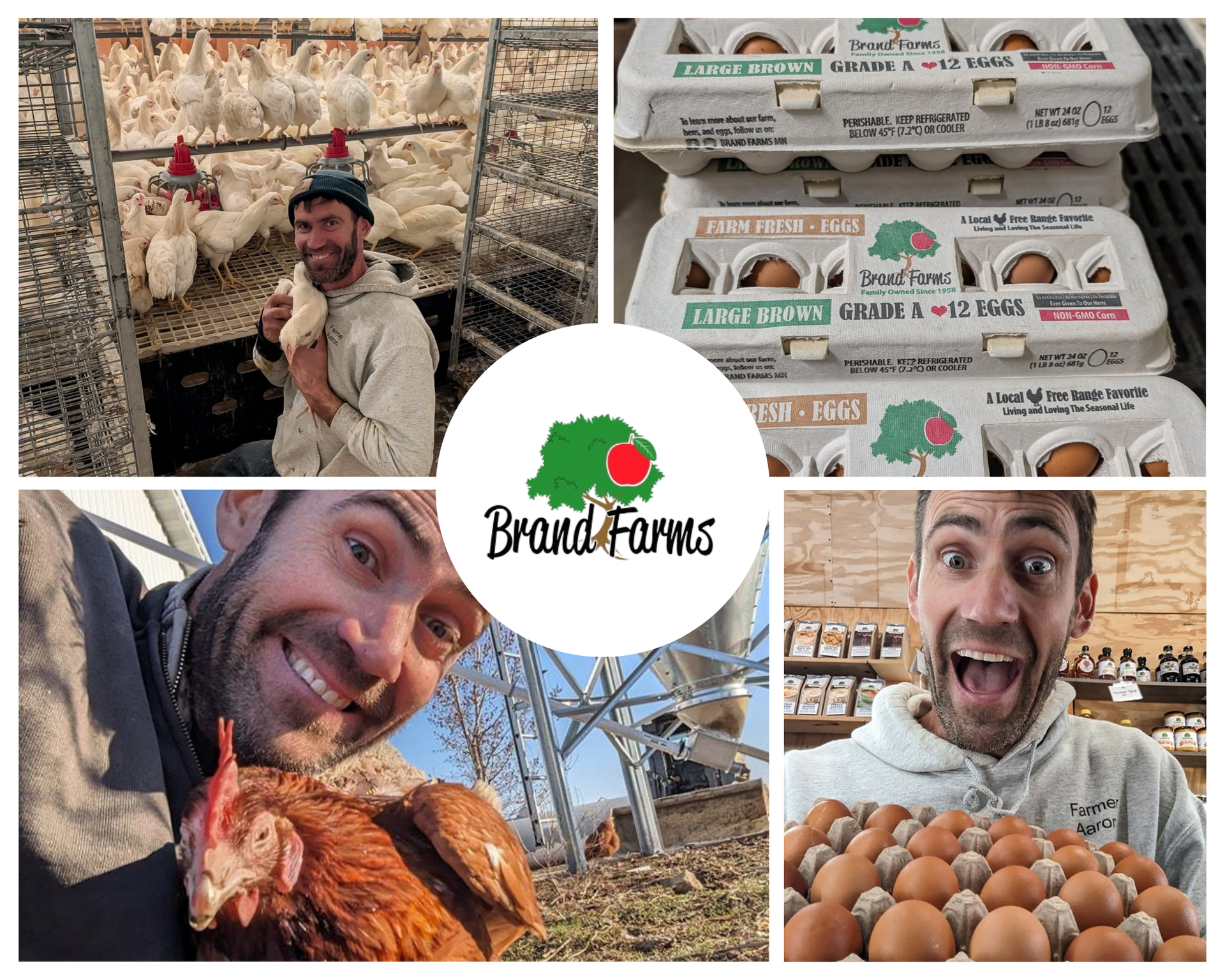
Today, Aaron manages approximately 4,500 laying hens and collects between 4,000 and 4,300 eggs every day. It's a remarkable growth story, but as Aaron will tell you, it didn't happen overnight.
"I got started with egg layers back in 2005 and started with 50 egg layers," Aaron shared. "That number has steadily risen over the years."
In 2017, Aaron constructed an automated barn capable of housing 2,100 hens. Last summer, he expanded the facility again, allowing the flock to grow to its current size.
But if you're imagining Aaron spending all day with eggs, think again.
A typical day at Brand Farms includes caring for laying hens, managing flower crops such as tulips, sunflowers, and zinnias, tending a 10-acre apple orchard, overseeing 15 acres of pumpkins, and handling the countless responsibilities that come with operating a diversified farm business.
Sound familiar?
Many NAFDMA members know exactly what it's like to wear multiple hats throughout the day.
The Challenge Behind Thousands of Eggs
While collecting thousands of eggs each day sounds impressive, Aaron says one of the biggest challenges isn't the hens—it's the equipment.
"I would say the biggest challenge dealing with approximately 4,000 to 4,300 eggs a day would be equipment malfunctions," he explained. "My commercial egg washer is starting to get some age to it and is in need of updating."
It's a reminder that growth often creates a different set of challenges. As production increases, reliable systems become critical to keeping operations running smoothly.
What Makes Their Eggs Different?
Brand Farms sells eggs directly from the farm, through wholesale accounts, at local grocery and convenience stores, and at a large farmers market throughout the summer and fall.
Aaron says customers frequently notice one thing right away—the taste.
"Our eggs are locally raised. They are also fed a non-GMO feed ration as well as daily access to outside. Customers do notice the taste of the eggs are much better than the conventional eggs they find in the grocery."
As more consumers seek local food and want to know where their products come from, that connection continues to be a valuable part of the business.
The Part Most People Never See
One thing Aaron wishes more people understood about egg production is the amount of training that goes into raising a new flock.
"Most people don't realize the amount of training that a new flock of hens requires," he said.
According to Aaron, it takes approximately a month for young hens to learn where to lay their eggs, where to find feed and water, and how life in the barn works.
"I do not let them out of the barn until I know that they are comfortable being inside the barn and understand everything that happens on a day-to-day basis."
It's one of those behind-the-scenes realities that customers rarely think about but plays a significant role in the success of the operation.
Advice for Farmers Considering Eggs
When asked what advice he would give someone interested in adding an egg enterprise to their farm, Aaron kept it simple.
"Start small, get to know your market. Get to know your customer base and have a good marketing strategy."
He also encourages producers to be prepared for the ups and downs of the egg market.
"There are times when the egg market is flooded with cheap eggs due to oversupply, as well as times when the egg market is tight and prices skyrocket with high demand."
Understanding your customers and building strong relationships can help navigate both.
For now, Aaron says he isn't planning any additional expansion to the egg operation after completing last summer's project.
Why Aaron Loves the Egg Business
Perhaps my favorite answer from Aaron came when I asked what he enjoys most about raising laying hens.
"I do enjoy being in the barn with the hens," he said.
Although chickens often get a reputation for not being the smartest animals on the farm, Aaron says they are far more intelligent than many people realize.
"There are times that I go in the barn and the same birds come to greet you every morning, and it is kind of fun to have that type of relationship with the farm animal."
That answer says a lot about why so many of us choose this industry.
Yes, agriculture is about production, systems, marketing, and growth. But at its core, it's also about relationships—whether that's with our guests, our customers, our communities, or even the animals we care for every day.
Aaron's journey from 50 hens to 4,500 laying hens is an impressive example of steady growth, thoughtful planning, and knowing your market. But it's also a reminder that success isn't always measured by numbers alone.
Sometimes it's measured by the relationships built along the way.
About Brand Farms
Located in Farmington, Minnesota, Brand Farms is a family-owned operation offering farm-fresh eggs, apples, pumpkins, flowers, seasonal events, and family-friendly farm experiences. The farm has become a destination where guests can connect with agriculture while enjoying the beauty and traditions of farm life.
To learn more, visit Brand Farms online.
RECENT ARTICLES