Show, Slice, Sell: How Live Demos Drive Rada Cutlery Sales
Retail Tricks!

One retail trick which is frequently overlooked is the benefit of having complementary items for your produce/products on hand and easy for customers to purchase. If customers can get everything they need to use what you grow on the farm, they are more likely to purchase more of it.


Examples include Rada Cutlery, as detailed more below. But it can also include pumpkin carving tools, spice or dip mixes to cook meals, vases for the flowers which are picked, and/or reusable bags to carry it all home. 


Boosting Sales

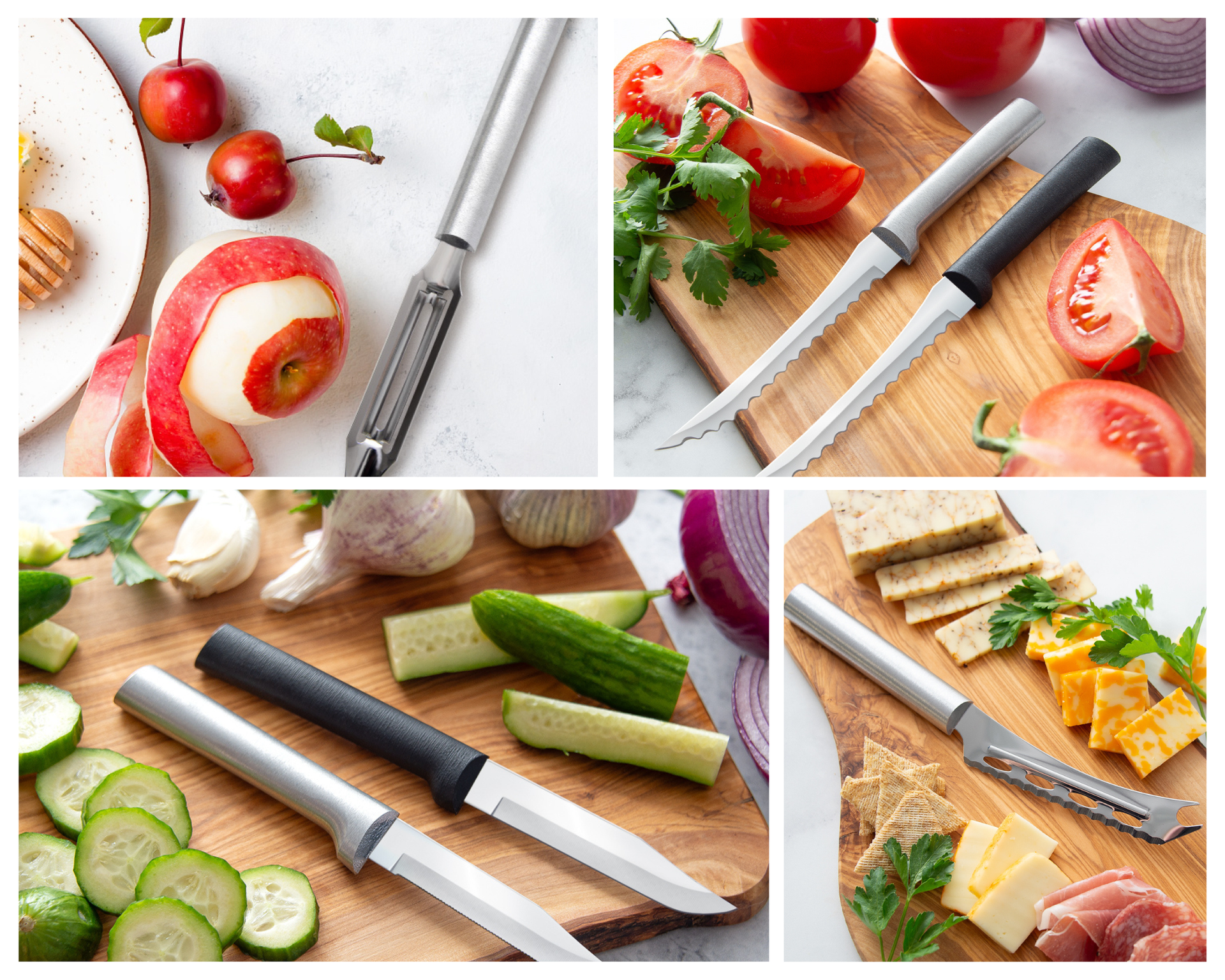
One of the easiest ways to boost Rada Cutlery sales is to use it where your visitors can see it in action. Whether you’re slicing fresh apples, cutting cheese, or spreading homemade jam, make sure you’re using Rada knives, peelers, or spreaders — and point it out!


“We use Rada Cutlery here — it’s 100% made in the USA since 1948. You can grab one right over there!”


When guests watch you easily peel produce or slice cleanly with a Rada knife, it builds trust and interest. Demonstrating the product in real-time not only increases interest but also drives impulse purchases.


For this reason, we recommend keeping the featured products close to the sampling area. And placing additional products in several complimentary locations throughout the store, such as a clip strip of peelers and paring knives next to the apples. Another recommendation would be to place items in the impulse areas and near the checkout with clear signage and pricing.

RECENT ARTICLES
By John Stanley • October 12, 2026
Of course, visitors know you’re the local farmer growing their food for them and providing agritourism experiences. If you believe that, you’re probably fooling yourself. At Chestnut Brae, visitors are surrounded by over 1000 chestnut trees, but we are often asked where we source our chestnuts. In fact, most locals can name the local school teacher and doctor, but not a local farmer. We need to do a better job of promoting that we are local in order to gain customer trust. When I (John), was in Hong Kong in June this year, the China News newspaper was promoting that municipalities that month were promoting “local” markets around the country. To have a stall at the market, the stall holder had to have made or grown the product in the municipality. You may argue that farmers markets do this in many countries, but some markets can be questionable and tarnish the image for all. The UK this month has a promotion, “Meet a farmer for a day,” where the public are invited onto participating farms to learn how a farm works. In the Agritourism Training Academy, there are a number of lessons focused on how to increase your “local” marketing potential and increase your revenue as a result. Promoting being local is now big business and restaurants, cafes, grocery stores, and trades people are joining the bandwagon. It is getting to be a crowded “local” marketplace and your business needs to stand out. To discuss your training needs contact Lara by scanning the QR code to organize a chat. Connect with Agritourism Training Academy
By John Stanley • October 2, 2026
On a recent tour, my wife and I searched out an independent family restaurant for a meal. We selected a “white tablecloth” Italian restaurant. The meal looked inviting and the outside image of the building looked like they were going to delight their guests. Everything looked right for an enjoyable evening experience. The first person we met, their ambassador, was dressed in clothing that seemed out of context for the restaurant’s setting. She escorted us to our table that was decorated with fresh flowers and a candle. When the waitress came, she was dressed the part, suitable for a white tablecloth restaurant, the meal was excellent. But, our conversation, once we had ordered our meal revolved around doubt on whether we’d selected the right location for a meal and would the meal be of the quality that we expected. Mixed Messages The greeter and host’s clothing did not match the experience the restaurant’s surroundings suggested. That inconsistency cast doubt on the whole dining experience. Compare this to the next day when we visited Mark Twain’s house in Hartford, Connecticut. Again we were greeted by one person. This time they were dressed in 1870's clothing and acted the part of Mark Twain’s wife showing us around the house. The host was an integral part of the customer experience and made the visit memorable. Credibility is part of the game rules What is the lesson for us in agritourism? We don’t need to dress up in costume, although some of us do. But, we do need a minimum dress code standard that the customer expects. As an owner you have to set the standard and explain why this standard has been set, especially to the younger team members. Some businesses will overcome this credibility failure by providing a staff uniform. This may or may not be appropriate for you. What is important is that the visitor has confidence in your team members, and is not distracted by the amazing service and experience you provide.
By Christine Hawks • September 28, 2026
Yes, 💩happens…literally! Petting zoos, riding stables, restroom trailers, porta-potties, and did you just say corn maze?!? Eww! But, remember you, yes YOU, make the good 💩happen!