Why I Joined NAFDMA: A Member’s Perspective on Growth and Support: NAFDMA member Becky Walters of Walters Pumpkin Patch

Becky Walters’ story shows the heart of NAFDMA—where support, connection, and inspiration are always in season.
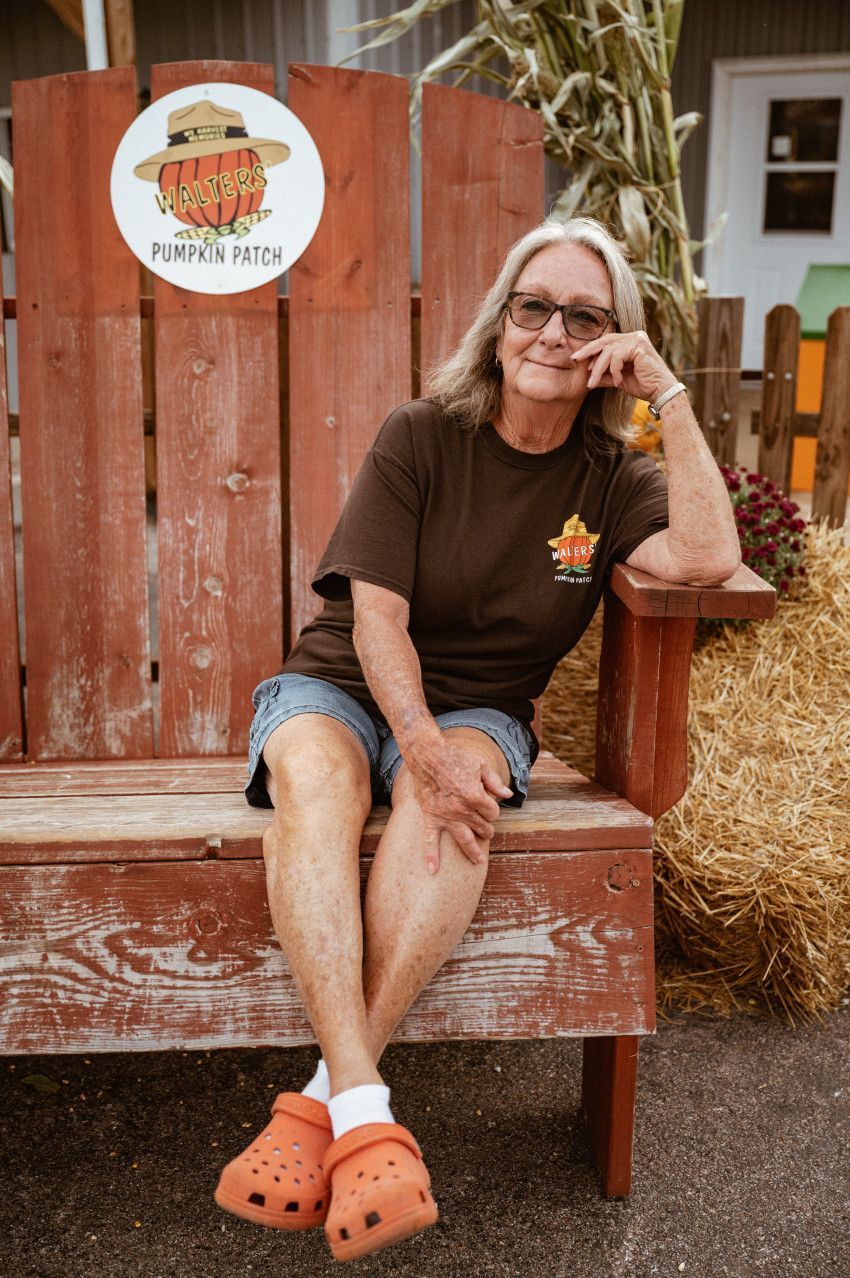
A Simple Visit That Changed Everything

When Becky Walters of Walters Pumpkin Patch first discovered NAFDMA, it wasn’t through a brochure or a website—it was through a conversation.


“We had gone to visit Steve and Cindy Fry at the Weston Red Barn in Missouri to see their operation. Steve told us about NAFDMA; we went—and we’ve been going back ever since.”


The results were almost immediate.
“Every year after we started with NAFDMA, we doubled our gross income. That was certainly our original incentive! Money! Hahaha!”


Support That Grows With You

Becky quickly learned that NAFDMA offered more than financial success. It became a trusted source of solutions and support for every stage of their business journey.


“I really don't have a specific example of how NAFDMA helped solve a challenge,” she shared. “Because everything about NAFDMA has helped—whether it was something we were already struggling with or something that popped up as we grew.”


One early memory stands out:
“I remember one bus trip where a member was talking about making pies in their bakery. I thought to myself, ‘We’ll never have to worry about a bakery...’ Hahaha! That was a long time ago!”

(Ask Becky if she sells pies at the farm now—we're guessing the answer is a sweet and flaky yes!)


The Power of Community

For Becky, the most valuable part of NAFDMA has always been the people. “I find the friendships and sharing of ideas and information to be the most amazing part of NAFDMA. It’s all one big family helping one another.” From casual conversations on the bus to deep bonds built over years, the spirit of collaboration runs strong in the NAFDMA community.


Giving Back Through Experience

Over the years, Becky’s role in the organization has shifted from student to mentor.

“As I’ve aged, I have more of the grandma wisdom that sometimes helps the younger members. I’ve done my time in NAFDMA—serving on the board, hosting Agritourism Learning Retreats, and being a bus guide.”


Though she may not be tech-savvy, Becky still brings a wealth of insight.
“I can’t answer the tech questions that come up now, but I can offer a different kind of wisdom that still has value.”


To Anyone Considering Joining…

Becky has a clear message for anyone on the fence about joining NAFDMA:

“Don’t just sit there—join the organization and you’ll never look back! Yes, you’re going to have to spend some money to join and participate, but you’ll get the return on investment in no time at all. Do it!”


When Legacy Becomes Real

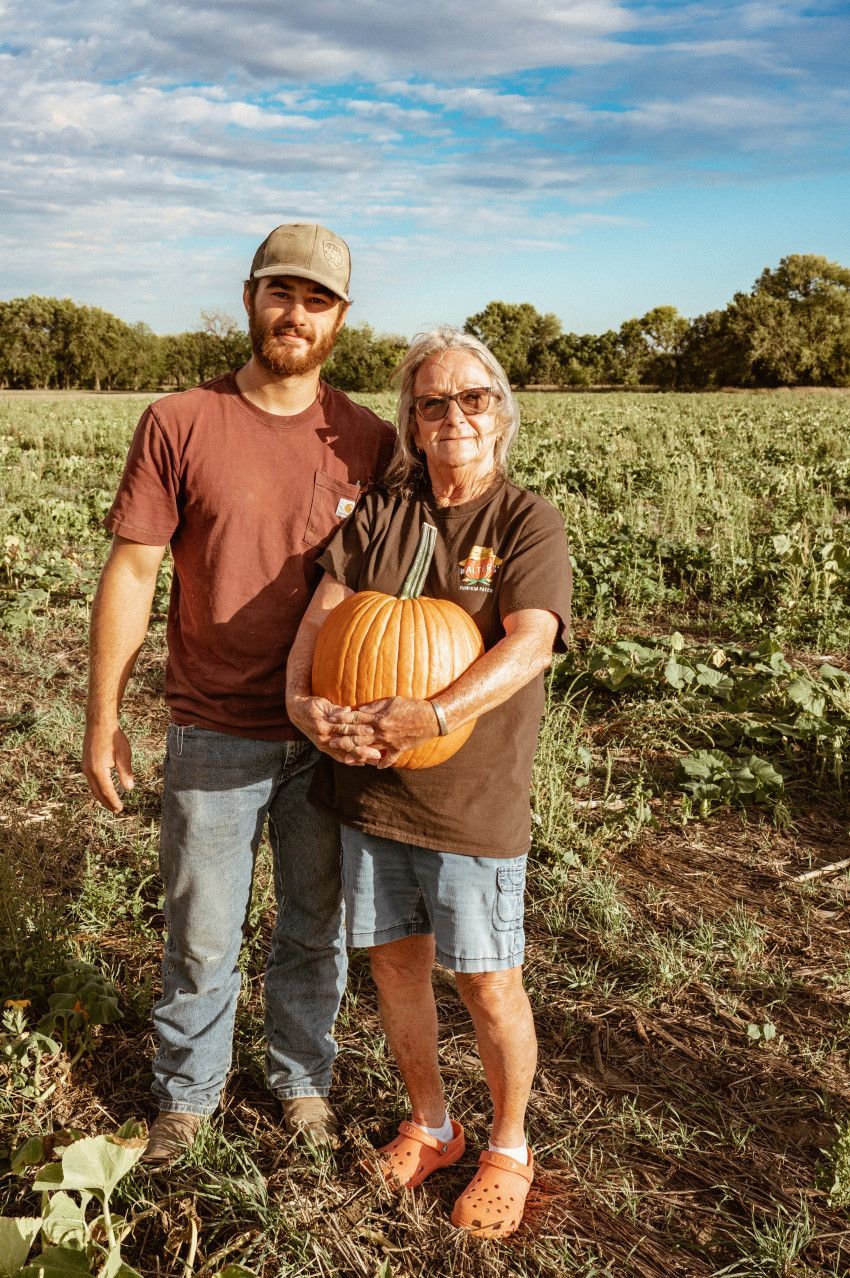
One of Becky’s most emotional NAFDMA moments came when her grandson, Dacota, showed interest in continuing what she and her family had built.


“I used to hear a lot about legacy and handing down the farm. I always thought farming and land ownership was just a business. When you’re done, you sell it, divide it up, and move on. Easy enough.”


Then came a moment that changed her thinking. “One day I looked out the back door and saw our grandson Dacota pulling up in the big old grain truck, filling it with gas—and I cried. I cried like a baby thinking, ‘This is what the NAFDMA people were talking about. This is legacy.’ Dacota—if all goes according to plan—will be the next owner of Walters Pumpkin Patch.”


Unforgettable Bus Tours and Lifelong Friendships

Of course, Becky couldn’t reflect on her NAFDMA journey without remembering the legendary bus tours.

“I’m the oldest bus tour guide in the NAFDMA lineup. Oh, the fun that Tammy Peterson and I had on those trips! I wouldn’t have traded a single one of them for anything. They were the best—and Tammy and I have a long-distance friendship that will last for years to come.”
RECENT ARTICLES
By Christine Hawks May 22, 2026
 In recognition of May as Mental Health Awareness Month, we have launched a new web page to encourage community connection and support those needing mental health tools and resources. You'll find a curated collection of online inspiration and resources for navigating the stress of owning and managing a farm, developing a work-life balance and encouraging everyday mindfulness. The resources featured here are accessible and available to all regardless of membership with NAFDMA as part of our PAUSE initiative. Emphasizing your mental health and wellness, PAUSE stands for: Priority, Awareness, Unplug, Support and Exhale. NAFDMA debuted its PAUSE initiative at the 2026 Agritourism Convention and Expo with the PAUSE Wellness Lounge - an intentional space to rest and recharge during the Convention.
By angie May 8, 2026
May is Mental Health Awareness Month—a time to bring conversations about mental health out into the open. For those in agriculture, these conversations are more important than ever. Farming is more than a job—it’s a lifestyle, a legacy, and often a calling. But behind the early mornings, long days, and deep connection to the land, there’s a reality we don’t always talk about: farm stress is real, and it’s rising. The Reality: Mental Health in Agriculture Farmers and agricultural workers face unique pressures that can take a serious toll on mental health: Financial uncertainty and fluctuating markets Weather dependency and climate stress Long hours with little time off Physical isolation and limited access to care Generational expectations and legacy pressure And the data reflects this challenge: Farmers are 3.5 times more likely to die by suicide than the general population Suicide rates in rural America have risen sharply, increasing nearly twice as fast as urban areas Agriculture consistently ranks among the highest-risk occupations for suicide This isn’t just a statistic—it’s a reminder that many in our communities are carrying heavy, unseen burdens. Why It Matters for Agritourism & Farm Businesses Mental health doesn’t just affect individuals—it affects your entire operation. When stress goes unaddressed, it can impact: Decision-making and business growth Customer experience Family dynamics Employee well-being Just like your crops or livestock, your well-being needs care and attention to thrive. What Balance Can Look Like Here are a few realistic ways to support mental wellness on the farm: 1. Redefine “Balance” Balance doesn’t mean equal time—it means sustainable energy. Some seasons will demand more, and that’s okay. 2. Build Micro-Breaks Into Your Day Even 10 minutes to step away, hydrate, or reset can make a difference during peak seasons. 3. Stay Connected Isolation is one of the biggest risk factors in agriculture. Make intentional time to connect with anyone who brings you peace and joy. 4. Normalize the Conversation Talking about stress doesn’t make you weak—it makes you human. The more we talk, the more we reduce stigma. Resources for Farmers & Rural Communities If you or someone you know is struggling, help is available—and it’s designed specifically for agricultural communities: Farm State of Mind (American Farm Bureau Federation) Farm and Ranch Stress Assistance Network (FRSAN) National Suicide & Crisis Lifeline (Dial 988 in the U.S.) Local extension offices Rural health programs USA and Canada Many of these programs recognize that farmers face unique, industry-specific stressors and offer support tailored to that reality. A Final Thought Mental health is just as important as physical safety on the farm. This May, during Mental Health Awareness Month, consider this your reminder: Check in with yourself Check in with your neighbors And know that you’re not alone Because behind every successful farm is a person—and that person matters most.