
From Gate to Great: Small Touches That Turn First-Time Guests into Lifelong Fans

Step onto any farm during peak season, and you’ll see it—that sparkle in a first-time guest’s eyes. They’ve just stepped out of the parking lot and into a world that smells like kettle corn, sounds like laughter, and feels a little like stepping back in time.

But here’s the secret: it’s not always the big attractions that win them over. More often, it’s the little touches—the ones so natural to you that you might not even notice—that transform a casual visit into a cherished memory. And those memories? They’re the seeds of loyalty that keep guests coming back year after year.


The Art of First Impressions

Your front gate is more than an entry—it’s your handshake, your “Welcome home,” your first chapter.

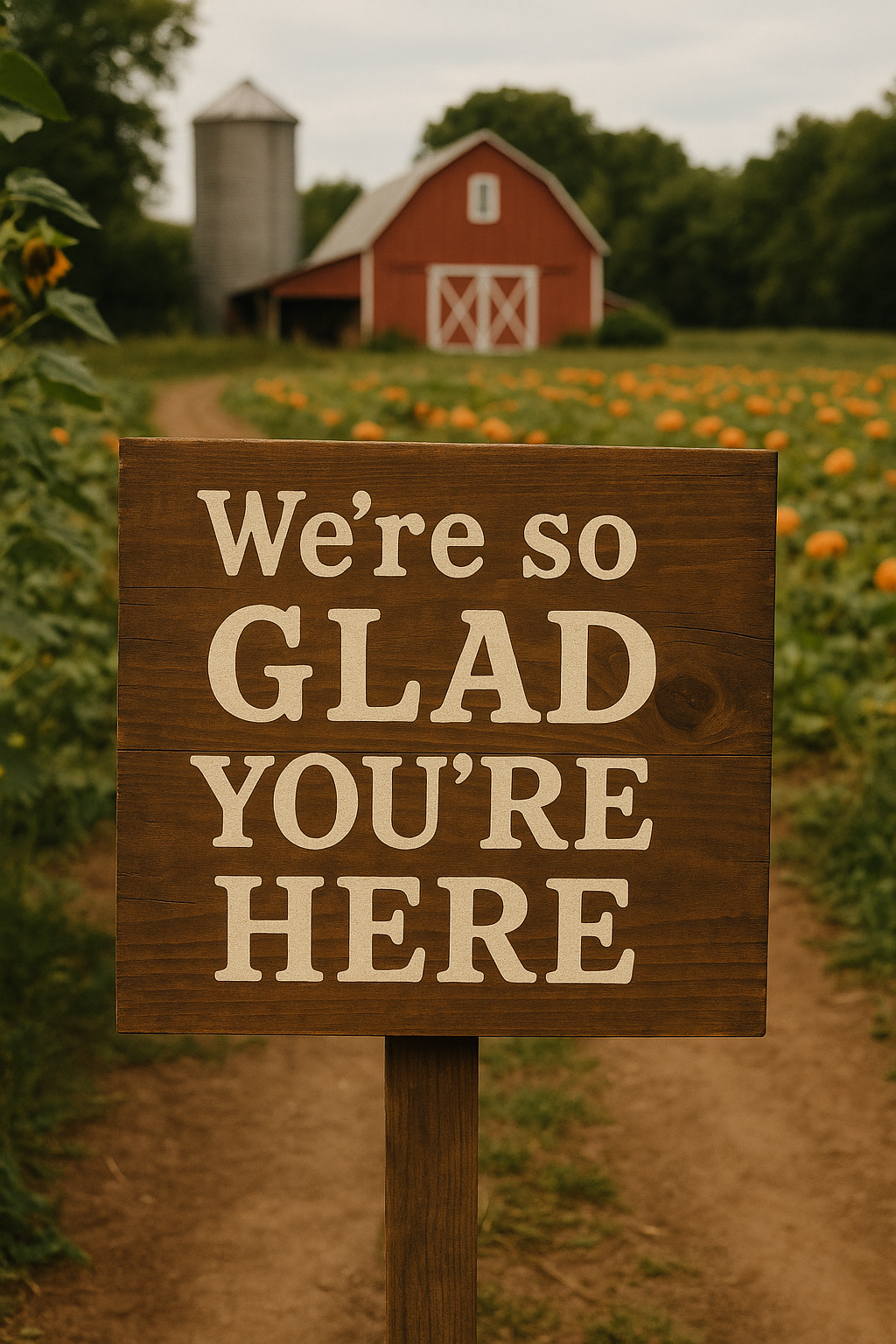
Whether it’s a friendly greeter handing out maps with a smile, a hand-painted sign that reads “We’re so glad you’re here”, or music drifting from a nearby porch, that very first interaction sets the tone for the day.


Pro Tip: Guests want to feel expected, not just admitted. Make sure your check-in process is warm, efficient, and sprinkled with personality. That first moment can be the difference between “just visiting” and “we’re coming back.”


Moments of Delight

Every farm has its main attractions—the corn maze, the hayride, the pumpkin patch—but what about the tiny sparks of joy in between?

  • A wildflower tucked in each cider cup
  • A “selfie station” with your farm cat napping in the background
  • A staff member who says, “If you take the trail to the right, you’ll catch the best sunset view”

These are the details that make guests feel seen, cared for, and part of something special. They might not make your marketing brochure, but they will make it into your guests’ stories, photos, and lifelong memories.


The Goodbye That Brings Them Back

A great farewell can be just as important as the welcome.


Whether it’s a heartfelt “See you next time!” at the exit, a small sample to take home, or a quick tip about what’s blooming or ripening next season—you’re planting the idea of their return before they’ve even left the driveway.


One NAFDMA member shared that they give each departing family a postcard of the farm with a handwritten note: “Come visit us again in the fall!” Guests pin them to fridges and bulletin boards—a tiny, tangible reminder to return. Another member gives specialized stickers to all kids during their school field trips, sending them home with a colorful keepsake that sparks excitement to share their farm adventure and come back for more.


These actions may seem small, but they bring joy and leave a big, lasting impression.


Why It Matters

In agritourism, it’s not just about the attractions—it’s about connection.

It’s the laughter between friends over kettle corn.
It’s the way a child hugs their pumpkin like it’s treasure.
It’s the comfort of a familiar farm dog greeting you at the gate.


When we focus on the small touches, we’re not just creating customers—we’re creating a community of guests who feel like family. And family always comes back.


Your Turn

What’s one small touch you’ve added to your guest experience that’s made a big impact? Share it with us—we’d love to feature member ideas in an upcoming post! Contact Angie:  Angie@nafdma.com


RECENT ARTICLES
By Christine Hawks May 22, 2026
 In recognition of May as Mental Health Awareness Month, we have launched a new web page to encourage community connection and support those needing mental health tools and resources. You'll find a curated collection of online inspiration and resources for navigating the stress of owning and managing a farm, developing a work-life balance and encouraging everyday mindfulness. The resources featured here are accessible and available to all regardless of membership with NAFDMA as part of our PAUSE initiative. Emphasizing your mental health and wellness, PAUSE stands for: Priority, Awareness, Unplug, Support and Exhale. NAFDMA debuted its PAUSE initiative at the 2026 Agritourism Convention and Expo with the PAUSE Wellness Lounge - an intentional space to rest and recharge during the Convention.
By angie May 8, 2026
May is Mental Health Awareness Month—a time to bring conversations about mental health out into the open. For those in agriculture, these conversations are more important than ever. Farming is more than a job—it’s a lifestyle, a legacy, and often a calling. But behind the early mornings, long days, and deep connection to the land, there’s a reality we don’t always talk about: farm stress is real, and it’s rising. The Reality: Mental Health in Agriculture Farmers and agricultural workers face unique pressures that can take a serious toll on mental health: Financial uncertainty and fluctuating markets Weather dependency and climate stress Long hours with little time off Physical isolation and limited access to care Generational expectations and legacy pressure And the data reflects this challenge: Farmers are 3.5 times more likely to die by suicide than the general population Suicide rates in rural America have risen sharply, increasing nearly twice as fast as urban areas Agriculture consistently ranks among the highest-risk occupations for suicide This isn’t just a statistic—it’s a reminder that many in our communities are carrying heavy, unseen burdens. Why It Matters for Agritourism & Farm Businesses Mental health doesn’t just affect individuals—it affects your entire operation. When stress goes unaddressed, it can impact: Decision-making and business growth Customer experience Family dynamics Employee well-being Just like your crops or livestock, your well-being needs care and attention to thrive. What Balance Can Look Like Here are a few realistic ways to support mental wellness on the farm: 1. Redefine “Balance” Balance doesn’t mean equal time—it means sustainable energy. Some seasons will demand more, and that’s okay. 2. Build Micro-Breaks Into Your Day Even 10 minutes to step away, hydrate, or reset can make a difference during peak seasons. 3. Stay Connected Isolation is one of the biggest risk factors in agriculture. Make intentional time to connect with anyone who brings you peace and joy. 4. Normalize the Conversation Talking about stress doesn’t make you weak—it makes you human. The more we talk, the more we reduce stigma. Resources for Farmers & Rural Communities If you or someone you know is struggling, help is available—and it’s designed specifically for agricultural communities: Farm State of Mind (American Farm Bureau Federation) Farm and Ranch Stress Assistance Network (FRSAN) National Suicide & Crisis Lifeline (Dial 988 in the U.S.) Local extension offices Rural health programs USA and Canada Many of these programs recognize that farmers face unique, industry-specific stressors and offer support tailored to that reality. A Final Thought Mental health is just as important as physical safety on the farm. This May, during Mental Health Awareness Month, consider this your reminder: Check in with yourself Check in with your neighbors And know that you’re not alone Because behind every successful farm is a person—and that person matters most.