
How is your Lipstick?

Guest post from John Stanley
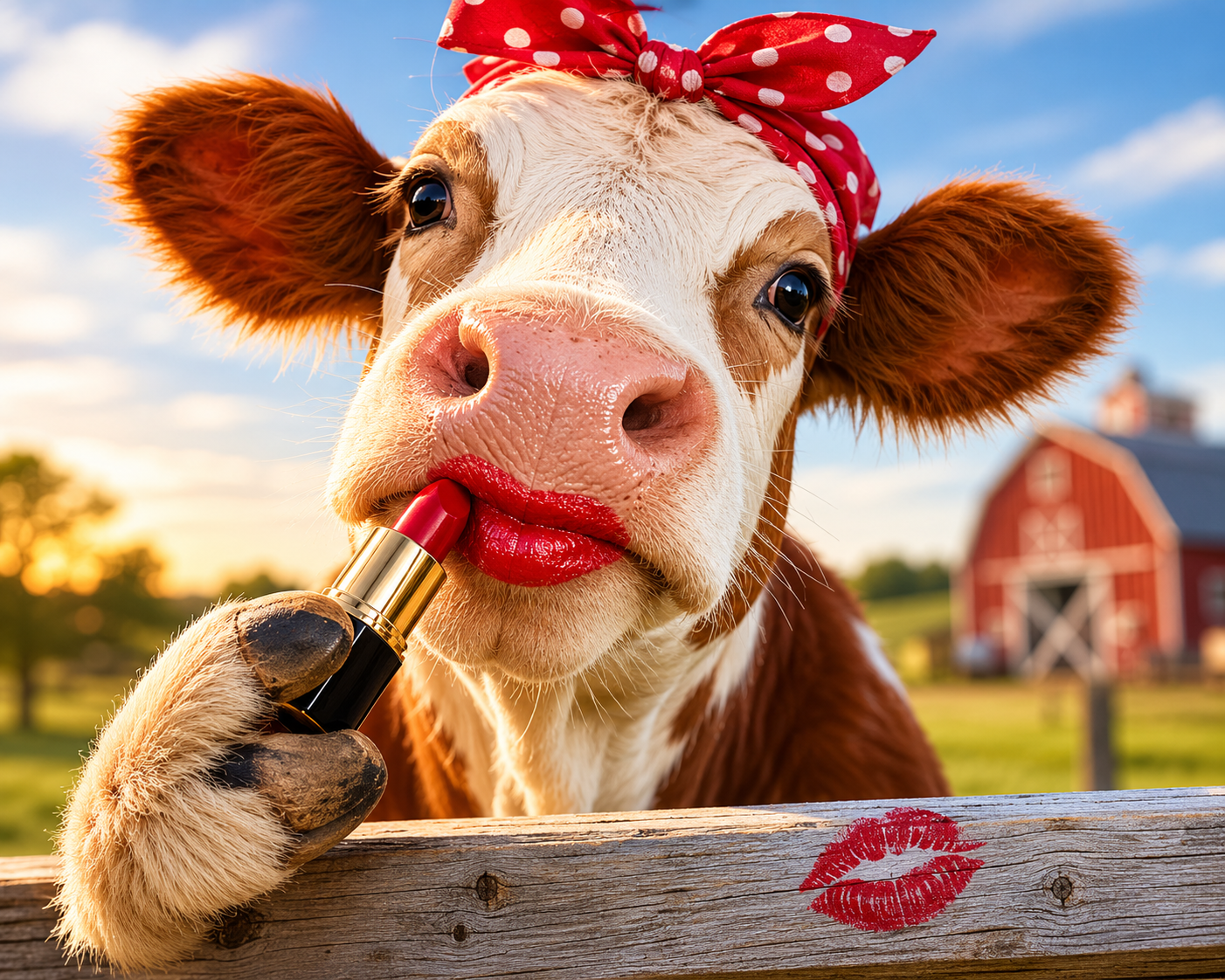
Lipstick sales are up 6.7% at Estee Lauder in the last two months. How are your sales?


Not selling lipstick? You should be — in the present economic climate.


Let us explain.


“The Lipstick Factor” was coined by Leonard Lauder in 2008 when he noticed that Estée Lauder lipstick sales increased during every recession. He discovered that, during economic downturns, consumers purchased small, affordable luxury items — and lipstick fell into that category.


Now let us relate that to our farm.


We are currently in the middle of our Pick-Your-Own season. It has been okay, mainly because it takes a tank of gasoline to get to our farm, as we are three and a half hours away from our city market. For many families, visiting the farm has become a luxury they feel they cannot afford right now.


At the same time, our Chestnut Flour sales have increased and are higher than in previous years. Our “Lipstick” product is Chestnut Flour.


The challenge in your business is identifying your own “Lipstick” items and promoting them accordingly.


How Do You Identify a Lipstick Item?

  • An affordable indulgence with a relatively low price point.
  • High emotional value that offers consumers a “feel-good” factor during stressful times.
  • An immediate effect that improves the consumer’s mood.
  • Sales that remain steady during an economic downturn. These products can also indicate when consumer confidence improves, as sales patterns will change again.
  • A product that helps consumers maintain a sense of status or comfort when they cannot afford more expensive purchases.


Your Challenge

Select around three potential “Lipstick” product lines and promote them. Monitor sales carefully to ensure you have selected the right lines. Get it right, and your overall average sale will likely increase as well.


To learn more valuable tips on growing your business, visit The Agritourism Retail Academy.

RECENT ARTICLES
By John Stanley • October 12, 2026
Of course, visitors know you’re the local farmer growing their food for them and providing agritourism experiences. If you believe that, you’re probably fooling yourself. At Chestnut Brae, visitors are surrounded by over 1000 chestnut trees, but we are often asked where we source our chestnuts. In fact, most locals can name the local school teacher and doctor, but not a local farmer. We need to do a better job of promoting that we are local in order to gain customer trust. When I (John), was in Hong Kong in June this year, the China News newspaper was promoting that municipalities that month were promoting “local” markets around the country. To have a stall at the market, the stall holder had to have made or grown the product in the municipality. You may argue that farmers markets do this in many countries, but some markets can be questionable and tarnish the image for all. The UK this month has a promotion, “Meet a farmer for a day,” where the public are invited onto participating farms to learn how a farm works. In the Agritourism Training Academy, there are a number of lessons focused on how to increase your “local” marketing potential and increase your revenue as a result. Promoting being local is now big business and restaurants, cafes, grocery stores, and trades people are joining the bandwagon. It is getting to be a crowded “local” marketplace and your business needs to stand out. To discuss your training needs contact Lara by scanning the QR code to organize a chat. Connect with Agritourism Training Academy
By John Stanley • October 2, 2026
On a recent tour, my wife and I searched out an independent family restaurant for a meal. We selected a “white tablecloth” Italian restaurant. The meal looked inviting and the outside image of the building looked like they were going to delight their guests. Everything looked right for an enjoyable evening experience. The first person we met, their ambassador, was dressed in clothing that seemed out of context for the restaurant’s setting. She escorted us to our table that was decorated with fresh flowers and a candle. When the waitress came, she was dressed the part, suitable for a white tablecloth restaurant, the meal was excellent. But, our conversation, once we had ordered our meal revolved around doubt on whether we’d selected the right location for a meal and would the meal be of the quality that we expected. Mixed Messages The greeter and host’s clothing did not match the experience the restaurant’s surroundings suggested. That inconsistency cast doubt on the whole dining experience. Compare this to the next day when we visited Mark Twain’s house in Hartford, Connecticut. Again we were greeted by one person. This time they were dressed in 1870's clothing and acted the part of Mark Twain’s wife showing us around the house. The host was an integral part of the customer experience and made the visit memorable. Credibility is part of the game rules What is the lesson for us in agritourism? We don’t need to dress up in costume, although some of us do. But, we do need a minimum dress code standard that the customer expects. As an owner you have to set the standard and explain why this standard has been set, especially to the younger team members. Some businesses will overcome this credibility failure by providing a staff uniform. This may or may not be appropriate for you. What is important is that the visitor has confidence in your team members, and is not distracted by the amazing service and experience you provide.
By Christine Hawks • September 28, 2026
Yes, 💩happens…literally! Petting zoos, riding stables, restroom trailers, porta-potties, and did you just say corn maze?!? Eww! But, remember you, yes YOU, make the good 💩happen!