By Angie Day
•
August 23, 2026
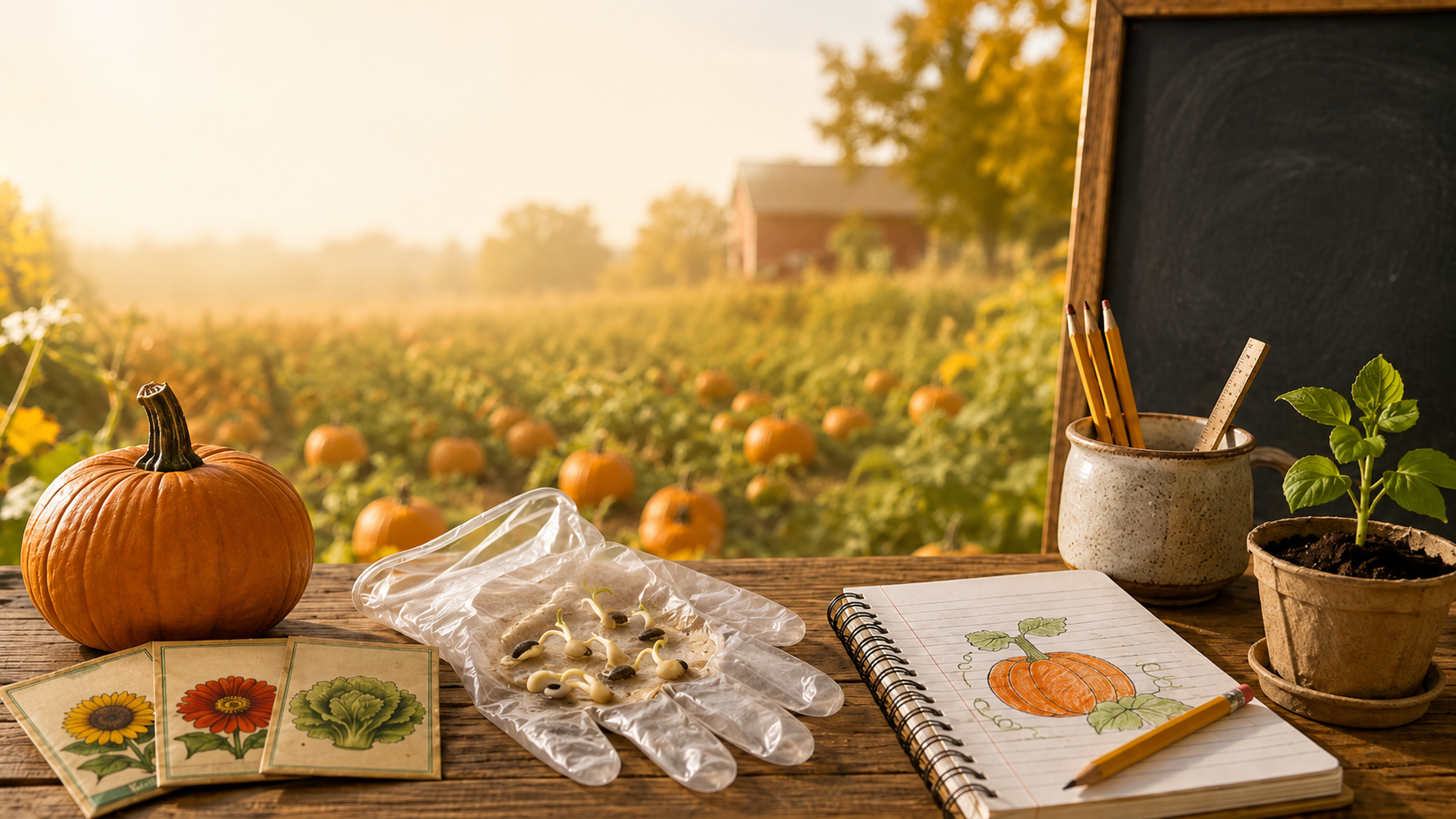
School is officially back in session. Backpacks are broken in, pencils are already disappearing, classroom routines are starting to settle in, and teachers are finding their rhythm for the year. At the same time, farms across the country are getting ready for another familiar sight: school buses pulling through the gates for fall field trips. And don’t get me wrong—I LOVE a field trip to the pumpkin patch. There is something magical about watching a child step onto a farm, pick a pumpkin, meet an animal, taste something fresh, or suddenly realize that food does not magically appear on a grocery store shelf. But now that the school year is underway, this feels like the perfect time to ask a bigger question: What if agricultural education did not begin when the bus pulled onto the farm and end when it drove away? As agritourism operators, we have such an incredible opportunity to keep that curiosity going long after the field trip is over. We can help bring agriculture into classrooms all year long, connecting students with the farms, food, science, careers, and people behind agriculture—and the really good news is that we do not have to dream up every lesson or activity ourselves. You Do Not Have to Create It All from Scratch Here is the really good news: we do not have to reinvent the wheel. Agriculture in the Classroom programs across the country have already done a whole lot of the work for us. There are lessons, activities, professional development opportunities, and resources ready for teachers to use—and so many of them are FREE . There is also a free National Agricultural Literacy Curriculum Matrix filled with K–12 lessons that connect agriculture with science, social studies, career and technical education, nutrition, and more. That is the part I really love. Agriculture does not have to become one more subject teachers have to squeeze into an already-full day. It can simply become the real-world example that helps teach what is already on the lesson plan. Now think about your own farm for a minute. What are you growing, raising, baking, making, or doing every single day that could become a classroom connection? A pumpkin can teach plant science, measurement, weather, pollination, nutrition, and economics. Apples can open conversations about seasons, bees, food production, and geography. Livestock can lead into biology, animal care, veterinary science, food systems, and careers. There is probably more education happening on your farm than you even realize. The resources are already there. Sometimes our job is simply helping teachers find them and then showing them how those lessons connect to the real thing happening on our farms. Put the Resources Where Teachers Can Actually Find Them Now that teachers are settling into the school year, it is a great time to explore the Agriculture in the Classroom resources available in your state. Then ask yourself a simple question: How can I make this easier for the teachers in my community to find? Maybe that means adding a Teacher Resources section to your website with links to free agriculture lessons, activities that connect to your farm, and information about your school tours. Maybe it means sharing a resource on social media and saying, “Teachers, did you know this is FREE?” Or maybe you include a few links in your field trip confirmation emails so educators have something they can use before and after their visit. If you grow pumpkins, share a lesson about seeds, plant life cycles, pollination, soil, or weather. If you have an orchard, look for resources involving apples, bees, seasons, nutrition, or food production. If livestock are part of your operation, help teachers find lessons about animal science, animal care, food systems, and agricultural careers. You are not asking teachers to add one more thing to their plates. You are handing them something useful that they may not even know is available—and helping make their connection to agriculture a little easier. Sometimes It Starts with a Glove One of my favorite agricultural education activities—both on the farm and in the classroom—has always been Garden in a Glove . It is inexpensive, simple, a little messy, and one of those activities that just works. A few seeds, a clear glove, a little moisture, and some patience give students a front-row seat to germination. They get to watch roots and shoots appear, compare what is happening from day to day, and start asking questions about what plants need to grow. Sometimes agricultural education really can be that simple. I also loved showcasing scrap gardening because it helped teach something I think is incredibly important: you do not need acres of land—or even a backyard—to grow something. Regrowing green onions, celery, lettuce, or other foods from kitchen scraps can show students that agriculture is not something that only happens somewhere else on a giant farm. A child may have a backyard, a porch, a windowsill, or just enough room for a recycled container, and that can still be enough to plant something, watch it grow, get curious, and feel a little ownership over where food comes from. That is the shift I want students to make. Instead of agriculture feeling like something that belongs to someone else, somewhere else, I want a child thinking, “Wait...I could try that.” Now Let’s Make It a Little Competitive Here is where I think this could get really fun. What if your farm sent a few local classrooms seeds from something you actually grow and challenged them to see what they could do with them? Maybe it is pumpkins, sunflowers, beans, tomatoes, sweet corn, or another crop that makes sense for your operation. Students could grow the crop throughout the season while measuring plants, keeping journals, taking pictures, graphing growth, making predictions, and troubleshooting why one plant is thriving while another is struggling. Then add a little friendly competition! Maybe the classroom that grows the largest pumpkin wins a pizza party sponsored by your farm. Maybe you recognize the tallest sunflower, biggest tomato, longest vine, most creative growing container, or best overall classroom garden. You could even create several categories so more classrooms have something to celebrate. Can you imagine how excited those kids would be? And bonus—you just gave that teacher weeks of science, math, writing, observation, problem-solving, and critical thinking without handing them one more complicated program to figure out. A packet of seeds can become months of agricultural education. Now imagine those same students visiting your farm later in the season. They are no longer just walking past a pumpkin vine. They have tried to grow one themselves. They know it takes time, attention, good growing conditions, water, sunlight, weather cooperation, and sometimes a little luck. Suddenly, they arrive with questions. They have observations to share. They are looking at that field differently because now they understand, even in a very small way, what it takes to grow something. That is a very different field trip. Let the Classroom and the Farm Work Together The goal is not to choose between classroom education and farm visits. It is to make the two work together. A student can learn about pollination in class and then stand on your farm watching bees work among the flowers. They can study plant life cycles and later identify the blossom, vine, and fruit growing right in front of them. They can learn about weather and then hear a farmer explain what too much—or too little—rain meant for this year’s crop. That is where agritourism has such an incredible advantage. We can take something students saw on a worksheet or classroom screen and give them the opportunity to see it, touch it, smell it, ask questions about it, and remember it. We get to help take agriculture from something they have heard about to something they have actually experienced. Start Small None of this means you need to create a 30-page curriculum, hire a full-time education coordinator, or completely reinvent your field trip program. Start with one thing that makes sense for your farm. Share your state’s Agriculture in the Classroom resources while teachers are building out lessons, planning field trips, and looking for fresh ideas for the months ahead. Add a Teacher Resources section to your website. Include a lesson in your field trip confirmation email. Share a Garden in a Glove activity. Teach kids about scrap gardening. Send one classroom a packet of seeds and see what happens. The goal is not to replace the field trip to the pumpkin patch. It is to extend it. The education can begin weeks before the bus arrives and continue long after students leave the parking lot. Our farms can become resources for teachers, partners with local schools, and places where classroom lessons suddenly become real. Sometimes helping the next generation discover all of that can start with something as simple as sharing a free resource, sending a packet of seeds, or giving one child the chance to proudly say, “Look! I grew that.” And really, how cool is that? One tiny seed, one curious kid, one teacher willing to try something new, and one farm willing to make the connection can grow into something much bigger than any of us realize. Resources to Explore and Share National Agriculture in the Classroom - https://www.agclassroom.org Explore agricultural education resources and find the Agriculture in the Classroom program serving your state. National Agricultural Literacy Curriculum Matrix - https://agclassroom.org/matrix/ Search free K–12 agricultural lessons and resources by grade level, subject, and agricultural topic. Your State Agriculture in the Classroom Program - https://agclassroom.org/affiliates/contact/ Explore locally relevant lessons, teacher resources, workshops, and agricultural education opportunities in your state.